- No products in the cart.




LARDER CUPBOARDS: THE MODERN BRITISH KITCHEN’S MOST UNDERRATED STORAGE POWERHOUSE

25
Dec
In kitchens across the UK, storage has become one of the most valuable assets a home can offer. As cooking habits evolve, weekly shops grow more intentional, and households aim for better organisation, one feature has steadily risen from traditional pantry roots into a modern must-have: larder cupboards.
Once associated mainly with period homes and large country kitchens, larder cupboards have re-emerged as a highly practical, space-efficient, and visually calming storage solution suited to both compact city homes and expansive family kitchens. They offer a single, consolidated place for dry goods, small appliances, bulk purchases, and everyday essentials, helping kitchens function more smoothly while looking more refined.
This in-depth guide explores everything you need to know about larder cupboards: what they are, why they matter, how to choose the right one, how to organise them effectively, and how they fit into modern British lifestyles. Whether you are planning a kitchen refresh or simply looking to improve daily efficiency, this guide is designed to help you make informed, practical decisions.
What Are Larder Cupboards?
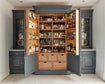
Larder cupboards are tall, enclosed storage units designed primarily for food storage, though their use often extends far beyond that. Unlike standard base units or wall cabinets, larder cupboards usually extend from floor to near-ceiling height, maximising vertical space and offering multiple shelves, compartments, and sometimes internal drawers.
Traditionally, larders were cool rooms or cupboards used to store food before refrigeration. In today’s kitchens, larder cupboards replicate that concept in a far more compact and versatile format, often incorporating adjustable shelving, pull-out mechanisms, spice racks, and designated zones for different food types.
In UK homes, larder cupboards are increasingly integrated into fitted kitchens or used as freestanding units, offering flexibility across property types and layouts.
Why Larder Cupboards Make Sense for Modern UK Living
Efficient Use of Space
Space efficiency is a major concern in many UK homes, particularly in terraced houses, flats, and new-build properties where kitchen footprints can be limited. Larder cupboards make exceptional use of vertical space, turning what could be unused wall height into valuable storage.
By consolidating food storage into one tall unit, you reduce the need for multiple smaller cupboards, freeing up space elsewhere for preparation or seating areas.
Improved Organisation and Visibility
One of the biggest frustrations in kitchens is losing track of food items. Larder cupboards allow you to see everything at a glance. With shelves dedicated to categories such as tins, grains, snacks, and baking supplies, items are less likely to be forgotten or duplicated.
This visibility helps reduce food waste, a growing concern in UK households, and makes meal planning far easier.
Support for Bulk Buying and Budget Control
With the cost of living continuing to influence shopping habits, many households are choosing to buy staples in bulk. Larder cupboards provide the ideal environment for storing larger quantities of dry goods without cluttering worktops or overflow cupboards.
Having a clear overview of supplies also supports better budgeting, as you are less likely to repurchase items you already have.
Cleaner, Calmer Kitchen Aesthetics
From a design perspective, larder cupboards contribute to a more streamlined kitchen. By hiding food packaging and small appliances behind closed doors, kitchens appear calmer, more spacious, and easier to maintain visually.
This is particularly appealing in open-plan living spaces, where the kitchen is on display throughout the day.
Different Types of Larder Cupboards Explained
Tall Single-Door Larder Cupboards
These are ideal for narrower spaces and smaller kitchens. Despite their slim footprint, they can hold an impressive amount of food and kitchen essentials. Adjustable shelving allows you to customise the interior to suit your household’s needs.
Double-Door Larder Cupboards
Double-door designs provide wider access and increased capacity. They work particularly well in family kitchens where large quantities of food are stored regularly. The wider opening also makes it easier to see and reach items at the back.
Pull-Out Larder Cupboards
Pull-out larder cupboards feature internal shelving mounted on runners, allowing the entire contents to slide out smoothly. These are excellent for deep spaces and improve accessibility, especially in tight kitchens.
Integrated Larder Cupboards
Integrated designs blend seamlessly into fitted kitchens, using matching doors and finishes to maintain a cohesive look. This approach is popular in contemporary UK homes aiming for a minimalist aesthetic.
Freestanding Larder Cupboards
Freestanding options offer flexibility and are ideal for renters or those who want to add storage without a full kitchen renovation. They can also act as a visual focal point in traditional or farmhouse-style kitchens.
Choosing the Right Larder Cupboards for Your Kitchen
Assessing Available Space
Before selecting a larder cupboard, measure carefully. Consider ceiling height, door swing clearance, and proximity to appliances. In smaller kitchens, a tall but narrow unit may be more suitable, while larger kitchens can accommodate wider or multiple larder cupboards.
Think vertically as well. Some larder cupboards stop short of the ceiling, while others extend fully upwards, offering additional storage for less frequently used items.
Internal Layout and Shelf Adjustability
The internal configuration is just as important as the external size. Look for adjustable shelves that allow you to adapt the cupboard over time. Household needs change, and flexibility ensures long-term usability.
Some interiors also include baskets, bottle racks, or spice shelves, which can enhance organisation if they suit your cooking habits.
Material Quality and Durability
Larder cupboards need to withstand frequent use and varying weight loads. Solid construction, sturdy shelving, and durable finishes are essential, especially in busy family kitchens.
In the UK climate, where humidity can fluctuate, quality materials help ensure cupboards remain stable and easy to maintain over time.
Door Style and Finish
Door design plays a significant role in how larder cupboards integrate into your kitchen. Handleless designs suit modern spaces, while framed or shaker-style doors complement traditional interiors.
Finishes should align with the rest of your kitchen cabinetry or intentionally contrast for a statement look. Neutral tones remain popular for their longevity, while darker shades can add depth and sophistication.
How to Organise Larder Cupboards Effectively
Zoning Your Storage
Divide the cupboard into zones based on food type and frequency of use. For example, everyday items such as cereals and snacks should be at eye level, while heavier items like tins can be placed lower.
Baking supplies, rarely used ingredients, or bulk items can be stored higher up, ensuring the most-used items remain easily accessible.
Using Containers and Labelling
Clear containers improve visibility and keep ingredients fresh. Labelling helps everyone in the household maintain order, reducing the chance of items being misplaced or forgotten.
Uniform containers also contribute to a cleaner, more cohesive interior appearance.
Rotation and Stock Management
Adopt a simple rotation system by placing newer items behind older ones. This helps ensure food is used before its best-before date and reduces waste.
Regularly reviewing the contents of your larder cupboards allows you to adjust shopping habits and identify gaps or excesses in your storage.
Larder Cupboards and British Cooking Habits
The way people cook and eat in the UK has evolved significantly. More households cook from scratch, experiment with global cuisines, and balance convenience with health-conscious choices. Larder cupboards support these habits by providing space for a wider range of ingredients, spices, and cooking essentials.
They also accommodate small appliances such as slow cookers or air fryers when not in use, keeping worktops clear while maintaining easy access.
For families, larder cupboards can be organised to include child-friendly snack zones, encouraging independence while keeping healthier options visible.
Design Trends Shaping Larder Cupboards in the UK
Minimalist Integration
Modern kitchens often favour seamless integration, where larder cupboards blend invisibly into surrounding cabinetry. This approach enhances the sense of space and order.
Statement Larder Cupboards
Conversely, some homeowners choose to make larder cupboards a design feature. Bold colours, textured finishes, or contrasting handles can turn a practical unit into a focal point.
Traditional Influences
Shaker-style doors, warm tones, and classic detailing remain popular in UK kitchens, especially in period properties. Larder cupboards fit naturally into this aesthetic, echoing traditional pantry concepts.
Sustainability and Conscious Living
As sustainability becomes more important, larder cupboards support eco-friendly habits by encouraging bulk buying, reducing packaging waste, and minimising food waste through better organisation.
Common Mistakes to Avoid When Choosing Larder Cupboards
Overlooking Accessibility
Tall cupboards are only useful if you can comfortably access their contents. Consider shelf heights, step stools, or pull-out mechanisms to ensure practicality for all household members.
Underestimating Storage Needs
It is easy to underestimate how much space you need. Planning slightly more capacity than you think necessary allows for future changes and prevents overcrowding.
Ignoring Workflow
Placement matters. Larder cupboards should be located near preparation areas or appliances used frequently, reducing unnecessary movement around the kitchen.
Maintenance and Care Tips
Regular cleaning prevents crumbs and spills from accumulating. Wipe shelves periodically and check for expired items.
Ensure hinges and runners are maintained according to manufacturer guidelines to keep doors and pull-out systems operating smoothly.
In humid environments, ensure good ventilation to maintain the condition of stored goods and cupboard materials.
Are Larder Cupboards Worth the Investment?
For many UK households, larder cupboards offer excellent long-term value. They improve daily efficiency, reduce food waste, enhance kitchen aesthetics, and adapt to changing lifestyles.
Whether part of a full kitchen redesign or added as a standalone solution, they often become one of the most appreciated features in the home.
Conclusion: Why Larder Cupboards Deserve a Place in Your Kitchen
Larder cupboards are far more than a storage trend. They are a practical response to modern living, offering organisation, efficiency, and visual calm in one vertical solution. In UK homes where space, budget, and functionality matter, they provide tangible benefits that extend well beyond the kitchen.
By choosing the right size, style, and internal layout, and by organising them thoughtfully, larder cupboards can transform how your kitchen functions on a daily basis. They support better habits, reduce stress, and create a kitchen environment that feels intentional and well-managed.
For anyone looking to future-proof their kitchen, simplify routines, and make the most of available space, larder cupboards are not just an option, but a smart, enduring investment.