- No products in the cart.




LARDERS REIMAGINED: THE DEFINITIVE UK GUIDE TO CHOOSING, STYLING, AND MAXIMISING LARDERS FOR MODERN HOMES

15
Apr
In recent years, larders have made a remarkable return to British kitchens, evolving from a traditional storage solution into a highly desirable centrepiece of organisation, efficiency, and style. Once considered a relic of period homes, larders are now being reimagined for modern living, offering a practical answer to cluttered cupboards, inefficient storage, and the growing demand for well-organised kitchens.
For homeowners across the UK, the appeal of larders lies in their ability to combine function with aesthetics. Whether you live in a compact city flat or a spacious countryside property, a well-designed larder can transform how you store, access, and enjoy your food.
This comprehensive guide explores everything you need to know about larders, from types and layouts to styling, organisation, and buying considerations. By the end, you will have a clear understanding of how to choose the perfect larder for your home and how to make the most of it.
What Are Larders and Why Are They Back in UK Homes
Larders traditionally referred to cool storage rooms used to preserve food before refrigeration became common. In modern kitchens, the term has evolved to describe tall, freestanding or built-in cupboards designed specifically for food storage.
The resurgence of larders in the UK is driven by several factors. First, there is a growing emphasis on home organisation, especially as more people cook at home. Second, open-plan living has increased the need for clean, uncluttered kitchen spaces. Finally, the rise of interior design trends that favour timeless, heritage-inspired aesthetics has brought larders back into the spotlight.
Today’s larders combine traditional inspiration with modern functionality. Adjustable shelving, integrated racks, soft-close doors, and clever storage compartments make them a highly efficient addition to any kitchen.
Types of Larders Available in the UK
Freestanding Larders
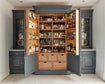
Freestanding larders are among the most popular options for UK homes. They are versatile, easy to install, and can be placed almost anywhere in the kitchen or adjoining spaces.
These larders typically feature tall cupboard structures with multiple shelves and door storage. They are ideal for homeowners who want a flexible storage solution without committing to built-in cabinetry.
Built-In Larders
Built-in larders are integrated into the kitchen design, offering a seamless and cohesive appearance. They are often incorporated into fitted kitchens and can be customised to match surrounding units.
This option is perfect for those undertaking a full kitchen renovation or looking to create a high-end, tailored finish.
Pull-Out Larders
Pull-out larders are designed for narrow spaces, making them ideal for smaller UK kitchens. These units slide out from cabinetry, revealing multiple shelves or baskets for easy access.
They maximise vertical storage and ensure that even tight spaces are used efficiently.
Walk-In Larders
Walk-in larders are a luxury feature typically found in larger homes. These dedicated storage rooms allow for extensive organisation and can accommodate bulk food storage, small appliances, and more.
While not suitable for every property, they represent the ultimate solution for those seeking maximum storage capacity.
Key Benefits of Installing Larders
Improved Organisation
One of the most significant advantages of larders is their ability to keep everything in one place. Instead of spreading food items across multiple cupboards, a larder consolidates storage, making it easier to find what you need.
Better Space Utilisation
Larders make excellent use of vertical space, which is often underutilised in kitchens. By extending storage upwards, they free up valuable countertop and cupboard space.
Enhanced Kitchen Aesthetics
A well-designed larder can elevate the overall look of your kitchen. Whether you prefer a classic or contemporary style, larders can be tailored to complement your design preferences.
Reduced Food Waste
With improved visibility and organisation, it becomes easier to keep track of what you have. This helps reduce food waste and encourages more efficient meal planning.
How to Choose the Right Larder for Your Home
Assess Your Space
Before selecting a larder, consider the available space in your kitchen. Measure carefully and think about how the unit will fit within your layout.
For smaller kitchens, a slim pull-out or compact freestanding larder may be the best option. Larger kitchens can accommodate full-height or even walk-in designs.
Consider Your Storage Needs
Think about what you plan to store in your larder. Dry goods, tins, spices, and baking supplies all require different types of storage.
Look for features such as adjustable shelves, door racks, and drawers to accommodate a variety of items.
Choose the Right Material
Larders are available in a range of materials, including solid wood, engineered wood, and painted finishes. Each option offers different benefits in terms of durability, appearance, and maintenance.
Select a Style That Matches Your Kitchen
From traditional shaker designs to sleek modern finishes, larders come in a wide variety of styles. Choose one that complements your existing kitchen décor.
Practical Features to Look for in Larders
Adjustable Shelving
Adjustable shelves allow you to customise the interior of your larder to suit your storage needs.
Door Storage
Many larders include racks or shelves on the inside of the doors, providing additional space for smaller items such as jars and bottles.
Ventilation
Proper ventilation helps keep stored food fresh and prevents moisture build-up.
Soft-Close Hinges
Soft-close hinges add a touch of luxury and prevent doors from slamming.
Lighting
Integrated lighting can make it easier to see items, particularly in deeper larders.
How to Organise Your Larder Efficiently
Group Similar Items Together
Organise your larder by grouping similar items, such as baking supplies, snacks, and canned goods. This makes it easier to locate items quickly.
Use Storage Containers
Clear containers are ideal for storing dry goods such as pasta, rice, and cereals. They help keep food fresh and make it easy to see when you need to restock.
Label Everything
Labelling containers and shelves can further improve organisation and ensure that everything has a designated place.
Rotate Stock Regularly
Place newer items at the back and older items at the front to ensure that food is used before it expires.
Maximise Vertical Space
Use stackable containers and shelf risers to make the most of available space.
Styling Larders for a Modern UK Kitchen
Neutral Colour Palettes
Neutral colours such as white, grey, and soft beige are popular choices for larders. They create a clean and timeless look that complements most kitchen styles.
Natural Materials
Wood finishes add warmth and character to larders, making them a great choice for both traditional and modern kitchens.
Minimalist Design
For a contemporary look, opt for clean lines, handleless doors, and a clutter-free interior.
Open and Closed Storage
Combining open and closed storage elements can create visual interest while maintaining practicality.
Larders for Small UK Kitchens
Even in compact spaces, larders can provide valuable storage solutions. Slim designs, corner units, and pull-out systems are particularly effective in smaller kitchens.
Consider placing a freestanding larder in an adjacent room or hallway if kitchen space is limited. This can help maintain a clean and uncluttered kitchen environment.
Larders and Sustainability
Larders can contribute to more sustainable living by encouraging better food management and reducing waste. By keeping ingredients organised and visible, it becomes easier to plan meals and avoid overbuying.
Additionally, choosing durable materials and high-quality construction ensures that your larder will last for years, reducing the need for replacements.
Maintenance and Care for Larders
Regular Cleaning
Keep your larder clean by wiping down shelves and surfaces regularly. This helps maintain hygiene and prevents the build-up of dust and debris.
Check for Expired Items
Periodically review the contents of your larder and remove any expired items.
Maintain Hinges and Fixtures
Ensure that hinges, handles, and other fixtures are in good condition and functioning properly.
Protect Surfaces
Use liners or mats to protect shelves from spills and stains.
Conclusion
Larders have firmly re-established themselves as an essential feature in UK kitchens. Combining practicality, style, and efficiency, they offer a solution to many of the challenges associated with modern living.
Whether you are looking to improve organisation, maximise space, or enhance the aesthetic of your kitchen, larders provide a versatile and effective solution. By choosing the right design and maintaining it properly, you can enjoy the benefits of a well-organised kitchen for years to come.
FAQ SECTION
What is the difference between a pantry and a larder
In the UK, the terms are often used interchangeably. However, larders typically refer to larger, more structured storage units, while pantries may include smaller cupboards or rooms.
Are larders suitable for small kitchens
Yes, there are many compact and space-saving larder designs available, including slim and pull-out units.
What should I store in a larder
Larders are ideal for dry goods, canned items, spices, snacks, and baking supplies.
Do larders need ventilation
Ventilation can help maintain freshness and prevent moisture build-up, especially in larger units.
How do I keep my larder organised
Use containers, labels, and grouping techniques to maintain an organised and efficient storage system.