- No products in the cart.




THE HIDDEN ORDER OF THE HOME: WHY LARDER CUPBOARDS ARE THE UNSUNG HEROES OF BRITISH KITCHENS

11
Apr
There is something deeply satisfying about a kitchen that feels calm, organised, and ready for everyday life. Not just visually tidy, but genuinely practical. The kind of space where breakfast is effortless, cooking feels enjoyable, and everything has a proper place. That is exactly why larder cupboards have become one of the most sought-after kitchen storage solutions in the UK.
For many households, kitchen clutter builds up quietly. Dry food spills into random cabinets, baking supplies get buried behind tins, snacks are shoved into corners, and everyday essentials seem to disappear the moment you need them. Over time, even a beautiful kitchen can start to feel chaotic. This is where larder cupboards make such a powerful difference.
Larder cupboards are not simply fashionable furniture pieces or a passing interior trend. They are one of the most practical and effective ways to improve kitchen organisation, increase storage efficiency, and create a more enjoyable daily routine. Whether you live in a compact flat, a family home, a period property, or a modern new-build, the right larder cupboard can completely transform how your kitchen works.
In this guide, we’ll explore exactly what larder cupboards are, why they’ve become so popular in UK homes, how to choose the right one, what features matter most, and how to make the most of your storage space. If you are researching the best kitchen storage options and want a solution that is both elegant and highly functional, this article will help you make the right choice.
What Are Larder Cupboards?
Larder cupboards are tall storage units designed to keep food, kitchen essentials, and household items neatly organised in one dedicated space. Traditionally, the term “larder” referred to a cool area used for storing food before modern refrigeration. Today, larder cupboards bring that same principle into a modern kitchen by creating a central, organised storage zone for dry goods and daily-use items.
Unlike standard kitchen cabinets, larder cupboards are designed with accessibility and visibility in mind. Instead of stacking food and supplies behind multiple small doors, they allow you to keep everything together in a more structured way. Shelves, internal racks, drawers, baskets, and door storage can all work together to make kitchen storage far more efficient.
Many people use larder cupboards to store:
- Pasta, rice, flour, and cereals
- Tins, jars, herbs, and spices
- Tea, coffee, and breakfast essentials
- Snacks and lunchbox items
- Baking ingredients and cooking oils
- Cleaning products and kitchen rolls
- Small appliances such as blenders or toasters
Because larder cupboards combine storage capacity with smart organisation, they are often seen as one of the most useful additions to any kitchen.
Why Larder Cupboards Are So Popular in UK Homes
The rise in demand for larder cupboards across the UK is not difficult to understand. British kitchens often need to work hard. Many homes have limited pantry space, awkward cupboard layouts, or simply not enough organised storage for modern life.
At the same time, homeowners increasingly want kitchens that feel uncluttered, polished, and practical. Larder cupboards solve both problems beautifully.
They make better use of vertical space
In many kitchens, the issue is not always lack of space, but poor use of available space. Larder cupboards take advantage of height, allowing you to store far more without taking up excessive floor area.
They create a dedicated food storage zone
One of the biggest causes of kitchen mess is having food spread across too many cabinets. Larder cupboards centralise dry storage, making meal prep and shopping organisation far easier.
They improve day-to-day convenience
You can see what you have more clearly, access ingredients more quickly, and avoid buying duplicates you forgot you already owned.
They suit both traditional and modern interiors
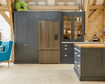
Whether your kitchen style is country-inspired, shaker, minimalist, or contemporary, larder cupboards fit seamlessly into a wide range of UK interiors.
They help kitchens feel calmer and more intentional
A well-organised kitchen changes how the entire room feels. Larder cupboards contribute to a cleaner, more considered layout that feels easier to live with.
The Key Benefits of Larder Cupboards
When people search for larder cupboards, they are often looking for more than extra storage. They want a kitchen that functions better. That is why these units offer so much value beyond appearance alone.
Better Kitchen Organisation
One of the most immediate benefits of larder cupboards is how much easier they make organisation. Instead of scattering items across drawers and cabinets, you can group everything by category and keep it in one logical place.
For example, you might create zones for:
- Breakfast foods
- Baking ingredients
- Tinned goods
- Pasta and grains
- Tea and coffee
- Snacks and treats
- Cooking condiments
This kind of organisation makes cooking faster, tidier, and far less frustrating.
Easier Meal Planning and Grocery Storage
Larder cupboards also make weekly shopping easier to manage. Once you have a designated place for each category of item, unpacking groceries becomes much simpler. It is also much easier to see what needs topping up before your next shop.
This can reduce waste, save money, and help you maintain a more efficient household routine.
A Cleaner, Less Cluttered Kitchen
Countertop clutter is one of the biggest reasons kitchens feel messy. When you have enough internal storage, you can keep more items tucked away neatly rather than leaving them out on display.
That means less visual noise and a more spacious-feeling kitchen.
More Practical Than Standard Cupboards
Standard base and wall units often create dead space or difficult-to-reach corners. Larder cupboards, especially tall models with thoughtful internal layouts, are often much easier to use in everyday life.
Rather than crouching down to reach the back of a lower cupboard, you can access your food and essentials more comfortably.
A Long-Term Investment in Daily Living
Larder cupboards are one of those purchases that often improve your kitchen every single day. Unlike decorative upgrades that may only change the appearance of a room, this is a practical improvement you actively benefit from each morning, afternoon, and evening.
Types of Larder Cupboards
Not all larder cupboards are the same. The best choice depends on your kitchen size, layout, storage needs, and personal style.
Freestanding Larder Cupboards
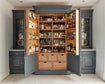
Freestanding larder cupboards are particularly popular because they offer flexibility and visual presence. They can work beautifully in both classic and contemporary kitchens and often feel more like statement furniture than purely functional storage.
These are ideal if you want:
- A dedicated pantry-style unit
- More character in your kitchen
- Flexible placement
- A furniture-inspired look
Freestanding larder cupboards are especially useful in homes where fitted kitchen storage is limited.
Tall Slim Larder Cupboards
If you are working with a narrower kitchen or tighter footprint, a slimline larder cupboard can still provide excellent storage without overwhelming the room.
These are often ideal for:
- Smaller kitchens
- Galley kitchens
- Flats and apartments
- Utility rooms
- Secondary storage spaces
Double Door Larder Cupboards
Double door larder cupboards offer generous storage capacity and can create a highly practical all-in-one food storage station. These are particularly useful for larger households or anyone who wants to keep a substantial amount of dry food and kitchen essentials in one place.
Larder Cupboards with Drawers
Some larder cupboards include drawers at the bottom or within the main body of the unit. This can be useful for storing heavier items such as potatoes, onions, baking trays, or larger kitchen accessories.
Drawers can also help separate everyday items from long-term pantry storage.
Larder Cupboards with Shelves and Door Racks
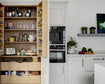
A good larder cupboard is not just about capacity, but about layout. Internal shelving combined with door storage can significantly improve usability. Door racks are especially useful for jars, oils, sauces, condiments, and spices.
How to Choose the Right Larder Cupboard
If you are investing in larder cupboards, it is worth choosing carefully. The best option should not only fit your kitchen physically, but also suit the way you live.
Measure Your Space Properly
Before anything else, check your available width, height, and depth carefully. Make sure there is enough clearance for doors to open comfortably and consider nearby appliances, radiators, or walkways.
If your kitchen is compact, choosing a well-proportioned larder cupboard can make a huge difference.
Think About What You Actually Need to Store
One of the most common mistakes is choosing storage based on appearance alone. A cupboard might look perfect but fail to suit your actual lifestyle.
Ask yourself:
- Do you need to store mostly food?
- Will it also hold small appliances?
- Do you want room for cleaning products?
- Do you need open shelves, drawers, or baskets?
- How often will you access the contents?
Your answers will help determine the most suitable internal layout.
Consider Kitchen Style and Finish
Larder cupboards should feel like a natural extension of your kitchen. In UK homes, some of the most popular finishes include:
- White for a fresh and timeless look
- Grey for a modern, understated feel
- Oak-effect finishes for warmth and texture
- Painted wood styles for classic country kitchens
- Neutral tones for versatility
The best finish is one that works with your flooring, worktops, cabinet colours, and overall room style.
Prioritise Practical Internal Features
When comparing larder cupboards, pay close attention to the inside, not just the exterior.
Look for useful features such as:
- Adjustable shelves
- Deep internal storage
- Door racks
- Drawer compartments
- Smooth door movement
- Sturdy shelving for heavier items
- Easy-clean surfaces
A beautiful cupboard is only truly valuable if it performs well in daily use.
Best Ways to Organise Larder Cupboards
Even the best larder cupboards perform better when organised thoughtfully. The goal is not just to store more, but to store more intelligently.
Use Zones
Create categories inside your cupboard so that similar items stay together. This avoids clutter and makes everything easier to find.
A simple zoning system might include:
- Top shelves: less frequently used items
- Eye-level shelves: daily essentials
- Lower shelves: heavier products
- Door storage: condiments, sauces, spices
- Drawers or baskets: snacks, root vegetables, packets
Store by Frequency of Use
Keep your most-used items where they are easiest to reach. Tea, coffee, cereal, bread, pasta, and cooking oils should generally sit at convenient access height.
Less-used baking ingredients, spare tins, or occasional entertaining items can go higher or lower.
Decant Where Helpful
Decanting dry foods into clear containers can help create a cleaner, more organised look and make it easier to monitor stock levels. This is especially useful for flour, rice, pasta, oats, cereal, sugar, and snacks.
Rotate Stock
One of the easiest ways to reduce food waste is to keep older items at the front and newer items behind them. Larder cupboards make this much easier than crowded standard cabinets.
Avoid Overfilling
A larder cupboard works best when it is organised, not crammed. Leave enough space to see what you have. Good storage is about accessibility as much as capacity.
Larder Cupboards for Small Kitchens
Many people assume larder cupboards are only suitable for larger homes, but they can actually be even more useful in smaller kitchens.
When space is limited, every inch matters. A well-designed larder cupboard can replace multiple cluttered cabinets and give your kitchen a more streamlined feel.
For small kitchens, the best approach is often to choose:
- A tall rather than wide design
- A neutral finish to keep the room feeling light
- Shelving that allows for vertical storage
- Slimline proportions where needed
- A cupboard with both shelf and door storage
In many UK homes, smaller kitchens benefit enormously from one highly effective storage unit rather than several poorly organised ones.
Larder Cupboards and Modern Kitchen Design
Larder cupboards are no longer seen as old-fashioned or traditional only. In fact, they now play a major role in modern kitchen design because they align so well with how people want their homes to function.
Today’s kitchens are expected to be:
- Organised
- Efficient
- Multi-functional
- Family-friendly
- Calm and uncluttered
Larder cupboards support all of these goals.
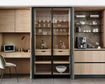
They are especially well suited to open-plan homes, where visual tidiness matters more than ever. When your kitchen is visible from your living or dining area, having a dedicated storage zone helps keep the whole space looking cleaner and more refined.
Are Larder Cupboards Worth It?
For most households, yes, absolutely.
If your current kitchen feels cluttered, impractical, or frustrating to use, larder cupboards can offer a surprisingly powerful improvement. They are one of those additions that often make daily life feel easier immediately.
They are particularly worthwhile if:
- You struggle with kitchen clutter
- You do a regular weekly food shop
- You enjoy cooking or baking
- Your cupboards feel disorganised
- You want a tidier, more premium-looking kitchen
- You need better food storage in one place
A good larder cupboard is not just storage. It is a system that supports the way your home works.
Common Mistakes to Avoid When Buying Larder Cupboards
To get the best result, it helps to avoid a few common buying mistakes.
Choosing Style Over Function
A cupboard may look beautiful online, but if the internal layout does not suit your needs, it can become frustrating quickly. Always prioritise usability.
Ignoring Internal Shelf Depth
Make sure the cupboard is deep enough for the types of items you want to store. Shallow shelving may not work well for larger containers or bulkier kitchen essentials.
Not Checking Door Clearance
Always think about how the doors will open within your kitchen layout. A cupboard that fits physically still needs to function comfortably.
Underestimating Storage Needs
Many people buy too small and then outgrow the cupboard quickly. If in doubt, it is often worth choosing slightly more capacity than you think you need.
Poor Internal Organisation After Purchase
Even the best larder cupboards can become messy if they are not organised properly from the start. Setting up simple categories from day one makes a huge difference.
Final Thoughts on Larder Cupboards
When people redesign or improve their kitchens, attention often goes first to worktops, splashbacks, appliances, or paint colours. But in reality, one of the biggest factors in how enjoyable a kitchen feels is how well it functions day to day.
That is exactly where larder cupboards shine.
They help create order, reduce clutter, simplify food storage, improve kitchen flow, and bring a sense of calm to one of the busiest rooms in the home. They are practical, versatile, visually appealing, and incredibly useful for modern UK living.
Whether you are trying to make a small kitchen work harder, create a more organised family space, or simply bring more structure to your daily routine, larder cupboards are one of the smartest storage choices you can make.
A well-chosen larder cupboard does more than hold food and household essentials. It supports the rhythm of your home, makes your kitchen easier to use, and helps everyday life run more smoothly.
And that is exactly why larder cupboards continue to earn their place as one of the most valuable kitchen storage solutions in Britain.
FAQ SECTION
What are larder cupboards used for?
Larder cupboards are used for storing dry food, pantry staples, kitchen essentials, snacks, jars, tins, baking ingredients, and sometimes small appliances. They help keep everything organised in one dedicated space.
Are larder cupboards suitable for small kitchens?
Yes, larder cupboards can work extremely well in small kitchens, especially tall and slim designs that maximise vertical storage without taking up too much floor space.
What should I store in larder cupboards?
You can store cereals, pasta, rice, flour, tins, sauces, herbs, tea, coffee, snacks, oils, baking supplies, kitchen rolls, and more. Some people also use them for appliances or household essentials.
Are larder cupboards better than standard kitchen cabinets?
For many households, yes. Larder cupboards often offer better visibility, easier organisation, and more efficient use of space than multiple scattered standard cabinets.
Do larder cupboards have to match kitchen units?
Not necessarily. Many larder cupboards are designed to complement a kitchen rather than match it exactly. A freestanding larder cupboard can add character and contrast while still fitting beautifully into the overall room.
How do I organise larder cupboards properly?
The best way is to organise by category and frequency of use. Keep everyday essentials at eye level, heavier items lower down, and less-used items on higher shelves. Using containers and baskets can also help.
Are larder cupboards still in style?
Yes, larder cupboards remain highly popular in UK kitchens because they combine timeless style with practical storage. They work especially well in both classic and modern interiors.
What size larder cupboard is best?
The best size depends on your available space and how much you need to store. Smaller kitchens often benefit from tall slim units, while larger homes may prefer wider double-door larder cupboards.