- No products in the cart.




THE SILENT HEART OF THE MODERN HOME: WHY LARDERS ARE REDEFINING UK KITCHEN STORAGE

08
Jun
For generations, kitchens have been the centre of British homes. They are where meals are prepared, conversations take place, and daily life unfolds. Yet as modern households continue to demand more organisation, efficiency, and style, one traditional feature has made a remarkable comeback: larders.
Today, larders are no longer reserved for large country houses or period properties. They have become one of the most sought-after kitchen storage solutions across the UK. Homeowners are increasingly choosing larders because they combine practicality, elegance, and exceptional storage capacity in a way that standard kitchen cupboards often cannot match.
Whether you live in a compact apartment, a suburban family home, or a spacious countryside property, larders can transform how your kitchen functions and feels. This guide explores everything you need to know about larders, including their benefits, different styles, storage possibilities, design considerations, and why they have become an essential feature in modern British kitchens.
What Are Larders?
Larders are tall storage units specifically designed to hold food, kitchen essentials, cookware, and household supplies in a highly organised manner.
Traditionally, larders were cool rooms used to preserve food before refrigeration existed. Modern larders have evolved significantly while retaining the same core purpose: maximising kitchen storage and improving organisation.
Unlike standard cupboards, larders are designed to provide easy access to a large number of items within a relatively small footprint. Their vertical design makes excellent use of available space while helping reduce kitchen clutter.
Many contemporary larders feature:
- Adjustable shelving
- Deep storage compartments
- Internal racks
- Drawer storage
- Spice organisation areas
- Door-mounted shelves
- Dedicated pantry sections
The result is a storage solution that helps households keep everything neatly organised and easily accessible.
Why Larders Have Become So Popular in the UK
The growing popularity of larders is no coincidence. Several modern lifestyle trends have contributed to their resurgence.
Increased Focus on Home Organisation
Many homeowners are seeking ways to simplify daily routines and reduce clutter. Well-designed larders create dedicated spaces for groceries, cooking ingredients, snacks, and household essentials.
Instead of searching through multiple cupboards, everything can be stored in one organised location.
Rising Food Costs
As food prices continue to fluctuate, many UK households are buying larger quantities of groceries when offers become available.
Larders provide valuable storage space for:
- Dry goods
- Tinned foods
- Pasta
- Rice
- Cereals
- Baking ingredients
- Long-life products
Having dedicated storage helps families keep track of inventory and avoid unnecessary purchases.
Open-Plan Living
Modern open-plan kitchens place greater emphasis on visual appeal.
Larders help keep worktops clear and minimise visible clutter, creating a cleaner and more attractive living space.
Improved Kitchen Efficiency
One of the biggest advantages of larders is convenience.
Everything needed for cooking can be stored in a central location, making meal preparation faster and more enjoyable.
The Main Benefits of Larders
Exceptional Storage Capacity
One of the primary reasons people invest in larders is their ability to store large quantities of items.
Tall shelving allows homeowners to maximise vertical space while keeping items visible and accessible.
Many households discover that a single larder can replace several standard kitchen cupboards.
Better Organisation
Larders naturally encourage organisation.
Dedicated sections can be created for:
- Breakfast foods
- Baking supplies
- Snacks
- Cooking ingredients
- Canned goods
- Beverages
- Cleaning products
This level of organisation saves time and reduces stress during meal preparation.
Reduced Kitchen Clutter
Worktop appliances, food packets, jars, and miscellaneous items often create visual clutter.
Larders provide a practical solution by keeping many of these items hidden yet easily accessible.
Enhanced Kitchen Appearance
Beautifully designed larders can become a focal point within the kitchen.
Whether traditional or contemporary, they contribute to a clean, cohesive aesthetic that enhances the overall appearance of the room.
Increased Property Appeal
Kitchen storage remains one of the most desirable features for UK homebuyers.
Well-designed larders can enhance perceived functionality and add appeal to potential buyers.
Different Types of Larders
Not all larders are the same. Various styles suit different kitchen layouts and storage requirements.
Freestanding Larders
Freestanding larders are among the most versatile options available.
Benefits include:
- Easy placement
- No major installation work
- Flexibility to move locations
- Wide variety of sizes
These larders work particularly well in both traditional and modern kitchens.
Double-Door Larders
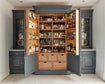
Double-door designs provide extensive storage capacity and a premium appearance.
When opened, they reveal large storage areas that make organisation straightforward.
They are ideal for larger households that require substantial food storage.
Single-Door Larders
Single-door units offer many of the same benefits while occupying less floor space.
They are excellent choices for smaller kitchens where space efficiency is important.
Pantry Larders
Pantry-style larders focus specifically on food storage.
They often feature numerous shelves and compartments designed to accommodate groceries of various shapes and sizes.
Combination Larders
Some larders incorporate both pantry storage and drawer storage.
This versatile design allows homeowners to store food, kitchen tools, tableware, and household essentials in one convenient location.
How Larders Improve Kitchen Workflow
A well-organised kitchen can significantly improve daily efficiency.
Larders contribute to this by creating designated zones for various categories of items.
For example:
Cooking Zone
Store:
- Oils
- Herbs
- Spices
- Sauces
- Seasonings
Keeping these ingredients together makes cooking more efficient.
Baking Zone
Store:
- Flour
- Sugar
- Baking powder
- Decorations
- Measuring tools
Everything needed for baking remains easily accessible.
Breakfast Zone
Store:
- Cereals
- Coffee
- Tea
- Bread products
- Spreads
Morning routines become faster and more convenient.
Snack Zone
Dedicated snack storage helps households stay organised and simplifies access for children and adults alike.
Best Items to Store in Larders
The versatility of larders allows them to accommodate a wide range of household items.
Popular storage categories include:
Dry Foods
- Rice
- Pasta
- Flour
- Cereals
- Oats
- Lentils
Tinned Goods
- Soup
- Vegetables
- Beans
- Tomatoes
- Fruit
Baking Supplies
- Sugar
- Cocoa powder
- Cake decorations
- Baking mixes
Beverages
- Tea
- Coffee
- Hot chocolate
- Soft drinks
Household Essentials
- Cleaning products
- Kitchen rolls
- Storage bags
- Foil and cling film
Small Appliances
Larger larders can also store:
- Toasters
- Blenders
- Mixers
- Air fryers
This helps maintain uncluttered worktops.
Traditional vs Modern Larders
Traditional Larders
Traditional larders often feature:
- Classic panelled doors
- Neutral colours
- Rustic finishes
- Country-style aesthetics
They complement period homes and farmhouse-inspired kitchens particularly well.
Modern Larders
Modern larders focus on sleek functionality.
Features often include:
- Minimalist designs
- Smooth surfaces
- Contemporary finishes
- Clean lines
- Integrated storage systems
These styles suit contemporary homes and modern kitchen layouts.
Choosing the Right Larders for Your Home
Selecting suitable larders requires consideration of several factors.
Available Space
Measure carefully before purchasing.
Consider:
- Ceiling height
- Floor space
- Door clearance
- Nearby appliances
Storage Needs
Think about what you intend to store.
Larger families often benefit from higher-capacity larders, while smaller households may require more compact solutions.
Kitchen Style
Choose larders that complement existing cabinetry and décor.
Consistency in colour, finish, and design helps create a cohesive appearance.
Internal Configuration
Different shelving arrangements suit different lifestyles.
Adjustable shelving provides maximum flexibility as storage requirements evolve.
Maximising Storage Inside Larders
Even the largest larders perform best when organised properly.
Use Storage Containers
Uniform containers create a tidy appearance while improving visibility.
They are particularly useful for:
- Rice
- Pasta
- Flour
- Sugar
- Cereals
Group Similar Items
Store similar products together to improve accessibility.
Label Everything
Labels make it easier to locate items quickly and maintain organisation over time.
Rotate Stock
Place newer items behind older products to minimise waste.
Utilise Door Storage
Many larders include door-mounted storage that is ideal for:
- Herbs
- Spices
- Condiments
- Smaller products
Why Larders Are Ideal for Family Homes
Family households often accumulate significant quantities of food and household supplies.
Larders help address common challenges by:
- Increasing storage capacity
- Reducing clutter
- Simplifying meal planning
- Improving accessibility
- Supporting bulk purchasing
Parents particularly appreciate being able to organise snacks, lunch ingredients, and cooking essentials in dedicated zones.
Small Kitchen Solutions Using Larders
Many people assume larders require large kitchens.
In reality, compact larders can significantly improve storage in smaller spaces.
Their vertical design allows homeowners to maximise storage without sacrificing excessive floor area.
For smaller kitchens, tall narrow larders often provide better storage efficiency than multiple wall cabinets.
The Future of Kitchen Storage
Kitchen design trends continue to evolve, but one feature consistently remains in demand: practical storage.
Larders align perfectly with modern priorities including:
- Organisation
- Efficiency
- Minimalism
- Functionality
- Space optimisation
As homeowners increasingly seek solutions that improve daily living, the popularity of larders is expected to continue growing.
The combination of style, practicality, and versatility ensures they remain relevant regardless of changing design trends.
Common Mistakes to Avoid When Buying Larders
Choosing Style Over Function
Appearance matters, but storage efficiency should remain the priority.
Ignoring Measurements
Always verify dimensions carefully before purchasing.
Underestimating Future Storage Needs
Many homeowners quickly discover they need more storage than initially expected.
Choosing slightly larger larders can provide valuable long-term flexibility.
Poor Internal Organisation
Even the best larders require proper organisation to perform effectively.
Planning storage zones from the outset helps maximise usability.
How Larders Create a More Enjoyable Kitchen Experience
The best kitchens are not simply beautiful; they function effortlessly.
Larders contribute to this by reducing frustration and creating a more organised environment.
Instead of navigating crowded cupboards and overflowing shelves, homeowners enjoy a streamlined experience where everything has a designated place.
Cooking becomes easier.
Shopping becomes more efficient.
Cleaning becomes simpler.
The entire kitchen feels calmer and more manageable.
These practical benefits explain why so many households now consider larders an essential feature rather than a luxury addition.
Conclusion
Larders have successfully evolved from traditional food storage spaces into one of the most valuable kitchen storage solutions available today.
Their ability to maximise storage, improve organisation, reduce clutter, and enhance kitchen aesthetics makes them an excellent investment for modern UK homes.
Whether you have a compact kitchen requiring clever storage solutions or a large family home needing extensive pantry capacity, larders offer exceptional versatility and long-term practicality.
As homeowners continue to prioritise organisation, efficiency, and beautiful kitchen design, larders remain one of the smartest ways to transform how a kitchen functions every single day.
FAQ SECTION
What are larders used for?
Larders are primarily used for storing food, groceries, kitchen supplies, cookware, and household essentials in an organised and easily accessible way.
Are larders suitable for small kitchens?
Yes. Many compact larders are specifically designed for smaller kitchens and maximise vertical storage space efficiently.
What can be stored inside larders?
Larders can store dry foods, tinned goods, baking supplies, snacks, beverages, cleaning products, small appliances, and various kitchen accessories.
Do larders increase kitchen storage?
Absolutely. One of the main benefits of larders is their ability to significantly increase storage capacity while keeping items organised.
Are freestanding larders a good choice?
Freestanding larders are highly popular because they offer flexibility, easy installation, and excellent storage without requiring major renovations.
What's the difference between a pantry and a larder?
The terms are often used interchangeably today. Traditionally, a pantry focused on dry food storage, while larders were used to keep food cool before refrigeration.
How do I organise larders effectively?
Group similar items together, use labelled containers, rotate food stock regularly, and utilise door storage for smaller products.
Are larders worth investing in?
For most households, larders provide substantial benefits through improved organisation, increased storage, reduced clutter, and enhanced kitchen functionality.