- No products in the cart.




THE HIDDEN HEART OF THE HOME: WHY LARDER CUPBOARDS ARE REDEFINING BRITISH KITCHEN STORAGE

16
Jun
In today's homes, the kitchen has become much more than a place to prepare meals. It serves as a social hub, a family gathering space, a home office, and often the busiest room in the house. As kitchens continue to evolve, homeowners are looking for smarter ways to maximise storage, reduce clutter, and create a more organised living environment. This is where larder cupboards have become one of the most sought-after kitchen storage solutions across the UK.
The growing popularity of larder cupboards is no surprise. They provide a practical and attractive way to store food, cookware, small appliances, and household essentials while helping maintain a clean and organised kitchen. Whether you're renovating a traditional country kitchen, designing a modern open-plan space, or simply looking for better storage, larder cupboards offer exceptional versatility.
This comprehensive guide explores everything you need to know about larder cupboards, including their benefits, types, storage potential, design considerations, organisation tips, and why they remain one of the most valuable additions to any kitchen.
What Are Larder Cupboards?
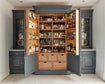
Larder cupboards are tall storage units designed to provide dedicated space for food storage and kitchen essentials. Historically, a larder was a cool room used to preserve food before refrigeration became common. Modern larder cupboards bring this concept into contemporary kitchens by offering organised storage behind one or more doors.
Unlike standard kitchen cabinets, larder cupboards typically extend vertically and make full use of available height. Many include adjustable shelves, internal racks, drawers, baskets, and door storage compartments, allowing homeowners to maximise every inch of space.
Today, larder cupboards are available in a wide range of styles, colours, finishes, and configurations to suit virtually any kitchen design.
Why Larder Cupboards Have Become So Popular in UK Homes
The increasing demand for larder cupboards is driven by several key factors.
Improved Kitchen Organisation
One of the biggest frustrations homeowners face is kitchen clutter. Packets, tins, spices, snacks, baking ingredients, and cooking oils can quickly overwhelm standard cabinets.
Larder cupboards provide a dedicated storage zone that allows everything to have its place, making kitchens feel more organised and functional.
Better Use of Vertical Space
Many kitchens underutilise vertical storage opportunities. Larder cupboards make full use of floor-to-ceiling space, allowing homeowners to store significantly more items without increasing the kitchen footprint.
Reduced Worktop Clutter
By creating additional storage capacity, larder cupboards help free up valuable worktop space. Small appliances, bulk food purchases, and cooking essentials can be stored neatly out of sight.
Enhanced Kitchen Aesthetics
A tidy kitchen instantly feels more spacious and luxurious. Larder cupboards help create clean lines and uncluttered surfaces, contributing to a more polished appearance.
Increased Property Appeal
Kitchen storage is a major consideration for homebuyers. Well-designed larder cupboards can enhance both functionality and visual appeal, potentially adding value and desirability to a property.
Different Types of Larder Cupboards
Choosing the right type of larder cupboard depends on available space, storage requirements, and personal preferences.
Freestanding Larder Cupboards
Freestanding larder cupboards are independent furniture pieces that can be positioned almost anywhere within the kitchen.
Benefits include:
- Flexible placement
- Traditional character
- Easy relocation
- Excellent storage capacity
These are particularly popular in farmhouse, country, and shaker-style kitchens.
Integrated Larder Cupboards
Integrated larder cupboards are built directly into kitchen cabinetry for a seamless appearance.
Advantages include:
- Streamlined design
- Modern aesthetics
- Customised layouts
- Efficient use of space
They are particularly common in contemporary kitchen renovations.
Double Door Larder Cupboards
Double door designs provide wide access to internal storage and are ideal for larger households.
Features often include:
- Multiple shelving zones
- Internal door storage
- Pull-out baskets
- Adjustable shelving systems
Corner Larder Cupboards
Corner larder cupboards help utilise areas that are often difficult to access.
Benefits include:
- Maximising awkward spaces
- Increased storage volume
- Improved kitchen efficiency
- Better use of room layouts
Pantry-Style Larder Cupboards
Pantry-style larder cupboards mimic traditional walk-in pantries but within a compact footprint.
They often feature:
- Deep shelving
- Internal drawers
- Appliance storage
- Dedicated food organisation zones
The Main Benefits of Installing Larder Cupboards
Store More Without Expanding Your Kitchen
One of the greatest advantages of larder cupboards is their ability to dramatically increase storage without requiring additional floor space.
Tall storage units can accommodate:
- Dry food
- Tinned goods
- Baking supplies
- Kitchen gadgets
- Small appliances
- Cleaning products
Easier Meal Planning
When ingredients are clearly visible and organised, meal preparation becomes quicker and more efficient.
Homeowners can easily:
- Monitor stock levels
- Reduce duplicate purchases
- Plan weekly meals
- Minimise food waste
Better Food Preservation
While modern kitchens rely on refrigeration for perishables, dry goods benefit from organised, protected storage.
Larder cupboards help keep food:
- Clean
- Dry
- Accessible
- Protected from direct sunlight
Improved Household Efficiency
A well-organised larder cupboard saves time every day.
Instead of searching through multiple cabinets, everything is stored in one convenient location.
How to Organise Larder Cupboards Effectively
Organisation is essential for maximising the benefits of larder cupboards.
Create Dedicated Zones
Assign specific areas for:
- Breakfast foods
- Snacks
- Baking ingredients
- Pasta and rice
- Tinned goods
- Spices
- Beverages
Use Clear Storage Containers
Decanting dry foods into clear containers creates a cleaner appearance and allows easy monitoring of stock levels.
Popular items include:
- Flour
- Sugar
- Rice
- Pasta
- Cereals
Place Frequently Used Items at Eye Level
Store everyday essentials where they can be accessed quickly.
Less frequently used items can be placed on higher or lower shelves.
Rotate Stock Regularly
Use older products first to minimise waste.
A simple first-in, first-out system helps maintain freshness.
Label Everything
Clear labels improve organisation and help all household members maintain order.
Best Kitchen Styles for Larder Cupboards
One reason larder cupboards remain so popular is their versatility.
Traditional Kitchens
Classic larder cupboards fit perfectly within:
- Farmhouse kitchens
- Cottage kitchens
- Country homes
- Period properties
Natural wood finishes and shaker doors are particularly popular.
Modern Kitchens
Contemporary designs often feature:
- Handleless doors
- Clean lines
- Integrated storage
- Minimalist aesthetics
Transitional Kitchens
Transitional kitchens blend traditional and modern elements, making larder cupboards an ideal storage solution.
Small Kitchens
Many people assume larder cupboards only work in large kitchens.
In reality, a single tall larder cupboard can often provide more usable storage than multiple wall and base cabinets combined.
Common Items Stored in Larder Cupboards
Larder cupboards can accommodate a surprising range of household essentials.
Food items include:
- Pasta
- Rice
- Cereals
- Tea
- Coffee
- Snacks
- Baking ingredients
- Tinned foods
Kitchen equipment may include:
- Mixers
- Blenders
- Food processors
- Slow cookers
- Air fryers
Household supplies often include:
- Kitchen towels
- Cleaning products
- Storage bags
- Foil and cling film
How Larder Cupboards Help Reduce Food Waste
Food waste remains a significant issue in UK households.
Poor visibility often causes people to forget what they already own.
Larder cupboards help by:
- Keeping products visible
- Improving stock rotation
- Simplifying inventory management
- Reducing duplicate purchases
The result is better food utilisation and lower grocery costs.
Choosing the Right Size Larder Cupboards
When selecting larder cupboards, consider:
Household Size
Larger families typically require greater storage capacity.
Shopping Habits
Bulk shoppers benefit significantly from larger pantry-style units.
Kitchen Layout
Consider:
- Available wall space
- Door opening clearances
- Appliance positioning
- Traffic flow
Future Needs
Choose storage that accommodates potential lifestyle changes and future household growth.
Materials Used in Modern Larder Cupboards
Modern larder cupboards are available in numerous materials.
Solid Wood
Benefits include:
- Durability
- Character
- Longevity
- Traditional appearance
Engineered Wood
Offers:
- Stability
- Affordability
- Variety of finishes
- Consistent appearance
Painted Finishes
Popular colours include:
- White
- Cream
- Sage green
- Navy blue
- Grey
These colours complement a wide range of kitchen styles.
Larder Cupboards and Open-Plan Living
Open-plan living spaces place greater emphasis on organisation and aesthetics.
Since kitchens remain constantly visible, storage becomes increasingly important.
Larder cupboards help maintain:
- Visual order
- Reduced clutter
- Cleaner worktops
- Better overall presentation
This makes them particularly attractive for modern family homes.
Trends Driving Demand for Larder Cupboards
Several lifestyle trends continue to fuel demand.
Bulk Buying
Many households purchase larger quantities to reduce shopping frequency.
Home Cooking
Increased interest in cooking requires greater ingredient storage.
Kitchen Minimalism
Homeowners increasingly favour uncluttered, organised spaces.
Sustainable Living
Better organisation reduces waste and encourages smarter consumption habits.
Are Larder Cupboards Worth the Investment?
For most households, the answer is yes.
Benefits include:
- Improved organisation
- Increased storage
- Better kitchen functionality
- Reduced clutter
- Enhanced aesthetics
- Potential property appeal
The daily convenience alone often makes larder cupboards one of the most appreciated kitchen features.
Conclusion
As modern kitchens continue to evolve, storage remains one of the most important considerations for homeowners. Larder cupboards provide an elegant and highly practical solution that combines organisation, accessibility, and style.
Whether you're redesigning an entire kitchen or simply looking for ways to improve storage, larder cupboards offer exceptional versatility. They help maximise space, streamline meal preparation, reduce clutter, and create a more organised environment that works for everyday life.
From traditional farmhouse designs to sleek contemporary installations, larder cupboards remain one of the smartest investments for anyone seeking a more efficient and attractive kitchen. Their ability to combine functionality with visual appeal ensures they will continue to play a central role in British kitchens for many years to come.
FAQ SECTION
What are larder cupboards used for?
Larder cupboards are primarily used for storing food, kitchen supplies, small appliances, and household essentials in an organised and accessible manner.
Are larder cupboards suitable for small kitchens?
Yes. Larder cupboards make excellent use of vertical space and can often provide substantial storage without requiring a large footprint.
What's the difference between a pantry and larder cupboards?
A pantry traditionally refers to a dedicated storage room, while larder cupboards provide similar storage functionality within a standalone or integrated cabinet.
Can larder cupboards store appliances?
Yes. Many homeowners use larder cupboards to store appliances such as mixers, blenders, food processors, and air fryers.
Do larder cupboards increase kitchen storage?
Absolutely. Their tall design allows homeowners to maximise vertical space and significantly increase storage capacity.
Are larder cupboards fashionable?
Yes. Larder cupboards remain one of the most popular kitchen storage solutions across the UK due to their practicality and visual appeal.
What should be stored in larder cupboards?
Common items include dry foods, canned goods, baking ingredients, snacks, cooking oils, spices, beverages, kitchen gadgets, and small appliances.
How do I organise larder cupboards effectively?
Create dedicated storage zones, use clear containers, label shelves, place frequently used items at eye level, and regularly rotate stock to maintain organisation.