- No products in the cart.




THE QUIET RETURN OF LARDERS: WHY BRITISH HOMES ARE FALLING BACK IN LOVE WITH LARDERS

28
Mar
Larders are having a remarkable revival in UK homes, and it is not difficult to see why. In an age of busy kitchens, overflowing cupboards, and the constant challenge of keeping food, cookware, and household essentials organised, many homeowners are rediscovering the value of smart, dedicated storage. What was once seen as a traditional feature from older homes is now becoming one of the most desirable additions to modern kitchens.
Whether you live in a country cottage, a suburban semi, a new-build family home, or a city townhouse, larders offer a practical and elegant way to transform your kitchen. They create order, maximise space, improve accessibility, and bring a sense of calm to one of the busiest rooms in the home.
This guide explores everything you need to know about larders, from what they are and why they matter, to how to choose the right one for your home, how to organise it effectively, and why this timeless piece of furniture remains one of the smartest investments for any kitchen.
What Are Larders?
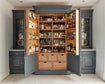
Larders are tall storage units designed to hold food, kitchen staples, and household essentials in one organised space. Traditionally, a larder was a cool room or cupboard used to store perishables before refrigeration became common. Today, the concept has evolved into beautifully designed freestanding or fitted storage units that combine style with serious practicality.
Modern larders are typically used to store:
- Dry food such as pasta, rice, flour, cereals, and tinned goods
- Baking ingredients
- Snacks and lunchbox items
- Tea, coffee, and breakfast essentials
- Small kitchen appliances
- Plates, bowls, serving ware, and cookware
- Cleaning products and household items
The appeal of larders lies in their versatility. They are not just cupboards. They are highly functional storage hubs that help keep your kitchen tidy, efficient, and far easier to use every day.
Why Larders Are So Popular in the UK
One of the main reasons larders have become so popular again is that UK kitchens often need to work harder with limited space. Not every home has the luxury of a walk-in pantry, utility room, or oversized kitchen. Many households are looking for furniture that can do more with less, and larders are excellent at exactly that.
Here are some of the biggest reasons homeowners are choosing larders:
1. They Maximise Vertical Storage
In many kitchens, floor space is limited, but wall height is underused. Larders make use of vertical space brilliantly, giving you far more storage without taking over the room.
2. They Reduce Kitchen Clutter
Few things make a kitchen feel more stressful than cluttered worktops and overstuffed cupboards. Larders help keep food, appliances, and daily-use items neatly tucked away, creating a cleaner and calmer environment.
3. They Improve Organisation
Instead of having ingredients scattered across several cupboards, larders allow you to keep related items together. This makes cooking, meal planning, and shopping much more efficient.
4. They Add Character
Larders often have a timeless, substantial look that instantly elevates the feel of a kitchen. They can add warmth, charm, and a more considered design finish to the room.
5. They Work in Both Traditional and Modern Homes
One of the best things about larders is that they are incredibly adaptable. Whether your kitchen style is classic shaker, modern minimal, rustic farmhouse, or contemporary country, there is a larder style to suit.
The Difference Between Larders and Standard Kitchen Cupboards
At first glance, some people assume larders are simply larger cupboards. In reality, they usually offer much more in terms of functionality and layout.
Standard kitchen cupboards often have a few fixed shelves and are designed to fit into a fitted kitchen run. Larders, on the other hand, are usually designed with more dedicated storage features and greater capacity.
Common features found in larders include:
- Adjustable shelves
- Door racks or spice racks
- Deep internal storage compartments
- Full-height storage zones
- Drawers for loose items
- Dedicated spaces for appliances or taller bottles
This more thoughtful layout is what makes larders so useful. Instead of simply storing things away, they help you store them properly.
How Larders Can Transform Everyday Kitchen Life
A well-organised kitchen can make a surprising difference to daily life. It saves time, reduces frustration, and makes the whole space more enjoyable to use.
Larders can improve your kitchen routine in several practical ways.
Easier Meal Preparation
When ingredients are grouped together and easy to see, cooking becomes much simpler. You spend less time opening multiple cupboards and more time actually preparing meals.
Faster Food Shopping
When your food storage is organised in one place, it is easier to know what you already have and what you need to buy. This helps reduce duplicate purchases and unnecessary waste.
Better Use of Small Kitchens
If your kitchen lacks storage, a larder can dramatically improve how the room functions without requiring a full renovation.
More Tidy Worktops
Small appliances, bread bins, cereal boxes, tea bags, sauces, and baking ingredients often end up cluttering worktops. Larders help clear these away while still keeping them accessible.
Less Food Waste
When items are visible and easy to reach, you are less likely to forget about them until they expire. Good visibility often leads to better food rotation and less waste.
Choosing the Right Larders for Your Home
Not all larders are the same, and the right choice depends on your kitchen size, storage needs, household habits, and design preferences.
Here are the key things to consider when choosing larders for your home.
1. Measure Your Space Carefully
Before choosing any storage furniture, it is essential to measure the available space accurately. Consider:
- Width
- Height
- Depth
- Door clearance
- Nearby appliances or radiators
- Walkway space around the unit
Larders can be substantial pieces of furniture, so you want to ensure they fit comfortably without making the kitchen feel cramped.
2. Think About What You Need to Store
Different households use larders in different ways. Before buying, think about what you would ideally keep inside.
For example:
- If you cook often, you may want space for dry ingredients, spices, oils, and cookware
- If you have a family, snack storage and lunchbox organisation may be a priority
- If you bake regularly, deep shelves and drawer storage may be especially useful
- If you want to hide appliances, internal depth matters
The more clearly you understand your needs, the easier it is to choose a layout that works for real life.
3. Consider Internal Shelf Layout
A beautiful exterior matters, but the inside of larders is what will determine how useful they are day to day.
Look for internal layouts that offer flexibility, such as:
- Adjustable shelves for taller items
- Wide shelves for bulk storage
- Narrow shelves for jars and tins
- Lower storage for heavier items
- Drawers for packets and loose goods
A well-designed interior can make a huge difference to usability.
4. Match the Style to Your Kitchen
Larders often become a visual focal point in the kitchen, so it helps to choose a style that complements the room.
Popular UK kitchen styles include:
Classic Painted Larders
These work beautifully in traditional and country-inspired kitchens, especially in soft neutral shades.
Natural Wood Larders
Wood tones add warmth and texture and suit rustic, farmhouse, or more organic interiors.
Sleek Contemporary Larders
Minimal, clean-lined styles work well in modern kitchens where simplicity is key.
Shaker-Inspired Larders
A timeless option that bridges traditional and contemporary design beautifully.
Best Places to Position Larders in a Kitchen
Placement matters more than many people realise. The right position can make larders feel like a natural extension of your kitchen rather than an afterthought.
Some of the best places to position larders include:
Near the Main Food Prep Area
Keeping your larder near your main worktop or cooking zone makes it easier to grab ingredients while preparing meals.
Close to the Fridge
This works well for meal planning and helps create a practical food storage zone.
Along an Empty Wall
A bare wall or awkward corner can often become a highly functional storage area with the addition of a well-sized larder.
Adjacent to Dining or Family Space
If your larder stores snacks, breakfast items, or lunch essentials, placing it near a breakfast bar or dining area can be very practical.
How to Organise Larders Properly
Even the best larders will not work well if they are not organised thoughtfully. The good news is that once you create a simple system, maintaining it becomes much easier.
Here is a practical way to organise your larder.
Group Similar Items Together
This is one of the easiest and most effective ways to improve functionality.
You could divide your larder into categories such as:
- Breakfast
- Baking
- Pasta and grains
- Tins and jars
- Snacks
- Tea and coffee
- Cooking oils and condiments
- Cleaning items
- Small appliances
Keeping like with like helps you find things quickly and avoid unnecessary duplication.
Put Everyday Items at Eye Level
Store the things you use most often where they are easiest to reach. This might include:
- Tea and coffee
- Breakfast cereals
- Pasta and rice
- Lunchbox snacks
- Everyday cooking ingredients
Less frequently used items can go higher up or lower down.
Use Containers for Loose Goods
Decanting flour, sugar, rice, pasta, and cereal into storage containers can instantly make larders feel neater and more practical. It also makes it easier to see when supplies are running low.
Keep Heavy Items Low Down
Large bottles, bulk food, tins, and heavier appliances are best stored on lower shelves for safety and convenience.
Create a Family-Friendly Zone
If you have children, keeping school snacks, lunch items, or breakfast options on a lower accessible shelf can make mornings run more smoothly.
Use the Inside of Doors Wisely
If your larder has internal door storage, this is ideal for smaller items such as:
- Spices
- Sauces
- Tea bags
- Condiments
- Small packets
These often get lost in larger cupboards, so dedicated door storage can be extremely useful.
Larders in Small Kitchens: Are They Worth It?
Absolutely. In fact, larders can be even more valuable in small kitchens than in larger ones.
When kitchen space is limited, every storage decision matters. A well-chosen larder can often replace the need for several smaller, less efficient storage areas.
In a smaller kitchen, larders can help by:
- Reducing the need for multiple wall cupboards
- Creating one centralised food storage zone
- Keeping worktops clearer
- Making the room feel more organised and intentional
- Helping awkward corners or blank walls become useful
The key is choosing the right dimensions and ensuring the piece works with the room rather than overwhelming it.
Are Larders Only for Food Storage?
Not at all. While food storage is their most traditional use, many homeowners use larders in far more flexible ways.
Depending on your household needs, larders can also be used for:
- Baking equipment
- Coffee stations
- Breakfast cupboards
- Entertaining essentials
- Tableware and serving pieces
- Pet food and pet supplies
- Utility storage
- Cleaning products
- Household paperwork and chargers in family kitchens
This versatility is part of what makes them so useful. They can adapt to your lifestyle rather than forcing you into a rigid storage system.
The Best Items to Store in Larders
To get the most out of larders, it helps to think carefully about what belongs inside and what is better stored elsewhere.
Excellent items for larders include:
- Tinned goods
- Pasta, rice, and grains
- Flour and baking ingredients
- Sauces and condiments
- Snacks and crisps
- Tea, coffee, and hot chocolate
- Bread and crackers
- Breakfast cereals
- Herbs and spices
- Cooking oils
- Lunchbox supplies
- Small kitchen appliances
- Table linen and serving accessories
Items best stored elsewhere may include anything requiring refrigeration, very heavy cookware if shelves are not designed for it, or cleaning chemicals if you prefer to keep those separate from food.
Why Larders Help Create a More Beautiful Kitchen
Functionality is important, but so is how your kitchen feels. A cluttered kitchen can make even a nicely designed space feel chaotic. Larders help bring visual order, which can instantly improve the room.
They create a more beautiful kitchen by:
- Reducing visible clutter
- Hiding mismatched packaging
- Adding height and structure to the room
- Introducing a furniture-style feature
- Making the space feel more considered and complete
This is one of the reasons larders appeal not just to practical homeowners, but also to people who care deeply about interior design.
How to Style Around Larders
Once you have a larder in place, styling the surrounding space can help it feel even more integrated and attractive.
Some simple styling ideas include:
- Keeping nearby worktops clear and minimal
- Using complementary hardware and finishes
- Matching surrounding storage tones where possible
- Adding soft kitchen lighting nearby
- Keeping adjacent shelving simple and uncluttered
Because larders are often quite substantial visually, they usually work best when given a little breathing space around them.
Common Mistakes to Avoid When Buying Larders
Larders are a fantastic addition to a kitchen, but choosing the wrong one can lead to frustration. Here are some common mistakes to avoid.
Buying Based Only on Appearance
A beautiful larder is wonderful, but if the inside does not work for your needs, it will quickly become impractical.
Not Measuring Door Clearance
Always check that the doors can open fully without hitting walls, islands, appliances, or other cupboards.
Ignoring Shelf Depth
Deep shelves can be excellent, but if they are too deep without organisation, items at the back may get forgotten.
Overfilling It
The goal of larders is organisation, not cramming in as much as physically possible. Leave enough room for visibility and easy access.
Not Thinking About Daily Use
A larder should support how you actually live. Think about your routines rather than an idealised version of kitchen organisation.
Are Larders a Good Long-Term Investment?
For many households, yes. Good storage rarely goes out of style, and kitchens that function well tend to remain useful and appealing for years.
Larders can offer long-term value because they:
- Improve the day-to-day usability of the kitchen
- Help reduce clutter over time
- Adapt to changing family needs
- Add a timeless storage feature rather than a trend-led one
- Support both organisation and aesthetics
If chosen well, larders can remain one of the hardest-working pieces in the home for many years.
Larders and the Shift Towards More Intentional Living
One reason larders feel so relevant right now is that many people are trying to live more intentionally. That might mean:
- Being more organised
- Reducing food waste
- Cooking at home more often
- Buying more mindfully
- Creating calmer living spaces
Larders support all of these habits. They encourage better storage, clearer routines, and more thoughtful use of kitchen space. In that sense, they are not just furniture. They are part of a more practical and considered way of living.
How to Keep Larders Organised Over Time
Once you have organised your larder, a few simple habits can help keep it working well.
Do a Weekly Reset
Take five minutes each week to put stray items back where they belong.
Rotate Older Items Forward
Move older food items to the front so they get used first.
Avoid Overbuying
Use your larder as a visual inventory. If it is full, it may be a sign to use what you have before restocking.
Wipe Shelves Regularly
A quick wipe every few weeks helps keep the space fresh and pleasant to use.
Review What Is Actually Useful
If you repeatedly struggle to store certain items, you may need to adjust your shelf layout or storage categories.
Why Larders Continue to Stand the Test of Time
Kitchen trends come and go, but some ideas last because they solve genuine everyday problems. Larders are one of those ideas.
They have remained relevant because they offer something every home needs:
- Better storage
- Easier organisation
- More efficient use of space
- A calmer, tidier kitchen
- A timeless aesthetic
They work just as well in traditional homes as they do in contemporary interiors, and they continue to evolve with modern lifestyles while retaining their classic practicality.
Final Thoughts on Larders
Larders are far more than a nostalgic nod to old-fashioned kitchens. They are one of the most useful, versatile, and stylish storage solutions available for modern homes. Whether you are trying to make a small kitchen feel more efficient, reduce worktop clutter, organise your family’s food storage, or simply create a more beautiful and functional space, larders can make a real difference.
Their popularity in UK homes is well deserved. They offer the rare combination of form and function, helping kitchens look better while working harder behind the scenes. In a room where practicality matters every single day, that is a powerful advantage.
If you are looking to improve your kitchen without a full renovation, few additions are as transformative as well-chosen larders. With the right size, layout, and organisation, they can completely change the way your kitchen feels and functions for years to come.