- No products in the cart.




LARDERS: THE TIMELESS STORAGE REVIVAL REDEFINING MODERN UK KITCHENS

27
Mar
Larders have made a remarkable comeback in British homes, and it is easy to see why. In a time when kitchens need to work harder than ever, homeowners are looking for storage that is not only practical but also beautiful, organised, and built for everyday life. That is exactly where larders shine.
Once considered a traditional feature of older homes, larders are now one of the most sought-after additions in both classic and contemporary kitchens. They offer a dedicated space for food, cookware, kitchen essentials, and hidden household clutter, all while helping your kitchen feel calmer, cleaner, and more considered.
Whether you are planning a full kitchen refresh, searching for smarter storage, or simply trying to understand why larders have become such a popular choice in the UK, this guide will walk you through everything you need to know. From their history and modern appeal to practical buying advice, styling tips, and space-saving ideas, this is your complete guide to larders.
What Are Larders?
Larders are tall storage cupboards designed to hold food, ingredients, kitchenware, and household essentials in one organised space. Traditionally, they were cool rooms or cabinets used to store perishables before refrigeration became common. Today, larders have evolved into highly functional kitchen storage units that bring structure and convenience to modern homes.
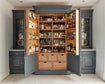
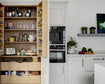
Modern larders are usually freestanding or built-in cupboards with a combination of shelves, drawers, internal racks, and compartments. Some are designed primarily for dry food storage, while others can also house small appliances, baking supplies, tableware, or even cleaning products.
What makes larders so effective is their ability to keep everything in one place. Instead of spreading packets, jars, tins, and kitchen bits across multiple cabinets, larders allow you to create one central storage zone that is easy to access and easy to maintain.
Why Larders Are So Popular in UK Homes
The growing demand for larders in the UK is driven by a simple truth: people want kitchens that feel more organised and less chaotic.
British kitchens often have to serve multiple functions. They are places for cooking, entertaining, family life, home admin, and sometimes even remote working. As a result, storage has become more important than ever. Larders solve several common kitchen frustrations in one smart piece of furniture.
1. They maximise vertical space
Many UK kitchens, especially in terraced homes, flats, and semi-detached houses, have limited floor space. Larders make use of height rather than width, allowing you to store more without taking over the room.
2. They reduce visual clutter
Worktops quickly become crowded with cereal boxes, bread bins, tea, coffee, spices, and small appliances. Larders help clear those surfaces and create a cleaner, more polished look.
3. They improve organisation
With shelves, racks, and compartments, larders make it much easier to group items logically. You can separate baking supplies from breakfast foods, snacks from cooking ingredients, and servingware from pantry staples.
4. They suit a wide range of interiors
Whether your kitchen is shaker-style, farmhouse-inspired, modern minimalist, or somewhere in between, larders fit naturally into almost any design scheme.
5. They add a premium feel
There is something undeniably luxurious about opening a beautifully arranged larder. It instantly makes a kitchen feel more thoughtful, functional, and high-end.
The Difference Between Larders and Pantry Cupboards
Although the terms are often used interchangeably, some people wonder whether there is a difference between larders and pantry cupboards.
In practical terms, there is a lot of overlap. Both are designed for food and kitchen storage, and both help organise household essentials. However, in UK home interiors, the word “larders” often carries a slightly more traditional or furniture-led feel. It suggests a statement storage piece rather than just a standard cupboard.
Larders are often taller, more substantial, and more decorative than a basic pantry cabinet. They are usually designed to be both functional and visually impressive, making them a standout feature in the kitchen rather than just a hidden utility unit.
The History of Larders in British Homes
To understand why larders remain so relevant today, it helps to look at where they came from.
Historically, larders were cool spaces used to store meat, dairy, baked goods, and preserved foods before the widespread use of fridges and freezers. In many traditional British homes, the larder was an essential part of the kitchen layout. It was often built with stone shelves, ventilated cupboards, and shaded positioning to keep food fresher for longer.
As modern appliances became more common, dedicated larder spaces began to disappear from new-build homes. Yet the need for structured food storage never went away. In recent years, homeowners have rediscovered the value of having a dedicated storage zone, which is why larders have returned in such a strong way.
The difference today is that modern larders combine the practicality of the old with the style and convenience expected in contemporary homes.
The Main Benefits of Choosing Larders
If you are considering adding one to your kitchen, it helps to understand the practical advantages larders offer on a daily basis.
Better Food Storage
Larders give dry foods a proper home. Pasta, rice, cereal, canned goods, sauces, spices, tea, coffee, snacks, and baking ingredients can all be stored neatly in one dedicated space. This makes meal planning, shopping, and cooking far easier.
Easier Meal Preparation
When ingredients are visible and grouped logically, preparing meals becomes quicker and less stressful. You can instantly see what you have, what you need, and where everything is.
Reduced Waste
One of the biggest hidden causes of food waste is poor storage. Items get pushed to the back of cupboards, forgotten, and eventually thrown away. Larders help keep everything visible and accessible, reducing duplicate purchases and unnecessary waste.
Cleaner Worktops
A good larder can remove a surprising amount of clutter from your kitchen surfaces. This not only improves the look of your kitchen but also gives you more usable prep space.
More Efficient Shopping
When you have a clear overview of your stock, it becomes much easier to shop intentionally. You are less likely to overbuy and more likely to use what you already have.
Improved Household Routine
Larders can make daily life feel smoother. Breakfast items, packed lunch supplies, tea and coffee essentials, and cooking ingredients can all be kept in designated zones, making routines quicker and more intuitive.
Types of Larders for Different Homes
Not all larders are the same, and choosing the right style depends on your space, storage needs, and kitchen layout.
Freestanding Larders
Freestanding larders are a popular choice because they offer flexibility and character. They can be placed against a wall, styled as a feature piece, and moved if you later change your layout. They often work especially well in traditional, country, and transitional kitchens.
Double Door Larders
Double door larders provide a generous amount of storage and often include a wider interior with multiple shelves and compartments. These are ideal for families or anyone who likes to keep a well-stocked kitchen.
Single Door Larders
Single door larders are a great option for smaller kitchens or households that want the functionality of larders without needing as much floor space. They can still offer excellent vertical storage while maintaining a slimmer footprint.
Tall Pantry-Style Larders
These are designed to maximise height and are ideal for storing dry foods, jars, tins, and kitchen accessories. They are especially useful in compact kitchens where every inch matters.
Multi-Use Larders
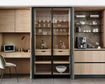
Some larders are designed not just for food but also for crockery, serving dishes, table linen, or small appliances. These can be particularly useful in open-plan living spaces where hidden storage is essential.
How to Choose the Right Larders for Your Kitchen
Choosing the best larders for your home is about more than appearance. It is important to think practically so your storage works for your actual lifestyle.
Measure Your Space Carefully
Before anything else, assess the available space in your kitchen. Consider not just width and height but also door clearance, walkway space, and how the cupboard will interact with nearby appliances or furniture.
In UK kitchens where space can be tight, this step is especially important. A larder that is too bulky can overwhelm the room, while one that is too small may not deliver the storage you need.
Think About What You Want to Store
Different households use larders differently. Some need space for food shopping and dry goods. Others want to store baking equipment, cookware, cleaning products, or breakfast essentials. Make a rough list of what you would ideally keep inside so you can choose a layout that actually suits your routine.
Check Internal Layout
The inside of larders matters just as much as the outside. Look for features such as:
- Adjustable shelves for flexible storage
- Deep shelves for bulkier items
- Internal racks for bottles, jars, or spices
- Drawers for loose items and packets
- Dedicated sections for taller products
A beautiful cupboard is only useful if it functions well inside.
Match Your Kitchen Style
Larders should feel like they belong in your space. Think about colour, finish, handles, shape, and overall design. A well-chosen larder can enhance your kitchen rather than feeling like an afterthought.
Consider Household Size
A larger household usually benefits from wider or double-door larders, while smaller homes may prefer a compact design that still offers strong vertical storage.
Best Ways to Organise Larders
Even the most beautiful larder can become messy without a good system. The secret to getting the most from larders is organising them in a way that makes sense for daily life.
Create Zones
Divide your larder into clear sections. For example:
- Breakfast items
- Baking ingredients
- Pasta, rice, and grains
- Tinned foods
- Snacks
- Tea and coffee
- Sauces and condiments
- Household supplies
Zoning helps you find what you need quickly and makes tidying up much easier.
Keep Everyday Items at Eye Level
Store the things you use most often where they are easiest to reach. Less frequently used items can go on the higher or lower shelves.
Use Baskets and Containers
Open shelves can become cluttered if everything is loose. Baskets, trays, and storage tubs help group smaller items together and make the inside of larders feel much neater.
Rotate Older Items Forward
To reduce waste, move older packets and tins to the front and place new items behind them. This simple habit can make a real difference over time.
Label Where Helpful
Labels are not essential, but they can be useful, especially in busy family kitchens. They help maintain order and make it easier for everyone in the household to put things back in the right place.
Styling Larders So They Look Beautiful Too
Larders are practical first and foremost, but there is no reason they cannot also look stunning. In fact, part of their charm is the way they combine everyday usefulness with a polished interior look.
Keep It Balanced
Try not to overcrowd shelves. A little breathing room makes the whole unit feel calmer and more premium.
Mix Functional and Decorative Items
Practical storage can still look attractive. Glass jars, ceramic canisters, woven baskets, cookbooks, and neatly folded linens can all add visual warmth.
Group Similar Colours and Shapes
Arranging items by tone or container style can make the inside of larders feel more cohesive and satisfying to use.
Use the Top Sparingly
If your larder has visible top space, avoid overloading it. A clean, simple finish tends to look more elegant than excessive styling.
Are Larders Suitable for Small Kitchens?
Absolutely. In fact, larders can be one of the smartest storage additions for smaller kitchens when chosen carefully.
Many people assume larders are only for large country kitchens or spacious family homes, but that is not the case. Slimline and tall designs can work brilliantly in compact UK homes, especially when floor space is limited but wall height is available.
In a smaller kitchen, larders can actually reduce the need for extra cabinets by consolidating storage into one efficient unit. This can make the room feel less fragmented and more organised overall.
The key is choosing a design that complements the scale of the room rather than dominating it.
Larders for Family Kitchens
For busy households, larders can become one of the hardest-working pieces of furniture in the home.
Family kitchens often need to store everything from cereals and lunchbox snacks to pasta, sauces, baking ingredients, and entertaining essentials. Without a dedicated storage system, this can quickly become chaotic.
Larders help by creating one central point of organisation. You can even designate shelves by purpose or by family member if needed. For example:
- Lower shelves for children’s snacks and breakfast items
- Middle shelves for cooking essentials
- Upper shelves for less-used baking supplies or servingware
This kind of organisation can save time every single day and make the kitchen far easier to keep under control.
How Larders Support Better Kitchen Flow
A well-designed kitchen is not just about looks. It is about how the space works. Larders can significantly improve kitchen flow by reducing unnecessary movement and making storage more intuitive.
When your key ingredients and household essentials are stored in one central place, cooking becomes more efficient. Instead of opening multiple cupboards and drawers to gather what you need, you can access most of it from one area.
This is particularly helpful in open-plan homes, where a cluttered kitchen can affect the feel of the entire living space. Larders help maintain order and support a smoother, more enjoyable daily routine.
Common Mistakes to Avoid When Buying Larders
To make sure you choose the right option, it is worth avoiding a few common pitfalls.
Buying Based on Looks Alone
Style matters, but practicality matters more. Always consider internal storage, shelf depth, and overall usability before making a decision.
Ignoring Door Clearance
Make sure there is enough space for the doors to open comfortably without blocking key walkways or bumping into nearby units.
Underestimating Storage Needs
It is easy to choose a cupboard that looks neat in the room but ends up being too small for your actual household needs. Think long-term.
Overfilling It
One of the best things about larders is the sense of order they create. Overpacking shelves can make them frustrating to use and visually cluttered.
Not Planning a System
Without some level of organisation, even the best larder can become a catch-all. Plan your categories from the beginning.
Are Larders Worth It?
For many UK households, the answer is yes.
Larders are one of those rare pieces of kitchen furniture that genuinely improve both the look and functionality of the home. They offer real practical value, especially if you cook often, want better organisation, or are tired of cluttered cupboards and messy worktops.
They can also help your kitchen feel more intentional and complete. Rather than relying on scattered storage across multiple units, larders create a sense of order and purpose that is hard to replicate with standard cabinets alone.
In short, if you want storage that works harder, looks better, and makes daily life easier, larders are absolutely worth considering.
Why Larders Continue to Stand the Test of Time
Some home trends come and go quickly, but larders have endured for a reason. They solve a real problem in a way that feels timeless, useful, and beautifully simple.
Their continued popularity is not just about aesthetics or nostalgia. It is about the way they support modern living. In a world of busy routines, food shopping, family life, and multifunctional kitchens, larders offer a practical solution that still feels special.
They help transform kitchens from cluttered work zones into calmer, more enjoyable spaces. And because they combine utility with style, they remain just as relevant now as they were generations ago.
Final Thoughts on Choosing Larders
If you are looking to improve your kitchen storage, create a cleaner layout, and bring more order to everyday life, larders are one of the best investments you can make.
They offer far more than extra shelving. They create a dedicated place for the things you use most, help reduce mess, support better organisation, and bring a sense of structure to the heart of the home.
Whether you live in a compact city flat, a modern family home, or a classic British property full of character, the right larder can make a meaningful difference to how your kitchen looks and works.
The best larders are the ones that suit your space, your style, and your lifestyle. Choose carefully, organise thoughtfully, and you will end up with a storage solution that feels just as satisfying to use as it does to look at.
If your kitchen needs one upgrade that blends practicality, timeless design, and everyday convenience, larders may well be the answer.