- No products in the cart.




LARDERS: THE COMPLETE UK GUIDE TO STYLISH, PRACTICAL KITCHEN STORAGE

28
Mar
Larders are no longer just a nostalgic feature from older homes. Across the UK, more homeowners are actively searching for better kitchen storage, cleaner layouts, and smarter ways to organise food, cookware, and everyday essentials — and that is exactly why larders have become one of the most desirable additions to the modern kitchen.
Whether you are renovating a full family kitchen, updating a compact cooking space, or simply trying to create more order in your home, larders offer a practical, elegant, and highly effective storage solution. They combine visual appeal with everyday functionality, helping transform cluttered kitchens into calmer, better-organised spaces that are easier to live in and enjoy.
In this complete guide, we will explore what larders are, why they are so popular in UK homes, how to choose the right one, how to style and organise it properly, and why investing in larders can completely change the way your kitchen works.
If you are researching larders for your home, this guide covers everything you need to know.
What Are Larders?
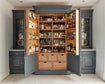
Larders are tall kitchen storage units designed to keep food, kitchen supplies, cookware, and household essentials neatly organised in one dedicated place. Traditionally, larders were cool storage rooms or cupboards used to preserve food before fridges became common. In modern homes, the idea has evolved into highly practical kitchen furniture that delivers both style and serious storage.
Today, larders are commonly used to store:
- Dry food such as pasta, rice, cereal, flour, and pulses
- Tins, jars, and cooking sauces
- Snacks and lunchbox essentials
- Tea, coffee, and breakfast items
- Baking ingredients
- Plates, bowls, and serving pieces
- Small kitchen appliances
- Cleaning and household products
Unlike standard kitchen cupboards, larders are designed to centralise storage. Instead of spreading food and kitchen items across multiple cabinets, they allow you to keep everything together in one easy-to-use zone.
That is a major reason why so many UK homeowners are now choosing larders as a practical kitchen upgrade.
Why Larders Are So Popular in UK Kitchens
Larders are becoming increasingly popular because they solve several everyday kitchen problems at once. Most kitchens need to do a lot with limited space. Food, cookware, appliances, and cleaning products all need a home, and when storage is poor, kitchens can quickly feel chaotic.
Larders help solve that.
Larders Create More Kitchen Storage
One of the biggest reasons people buy larders is simple: they need more usable storage. A tall larder makes excellent use of vertical space, helping you store more without needing a larger kitchen footprint.
Larders Help Reduce Clutter
Cluttered worktops and overfilled cupboards make kitchens feel stressful. Larders help hide away the visual mess while keeping everything organised and accessible.
Larders Improve Daily Organisation
When all your food and cooking essentials are stored together logically, cooking, shopping, and meal planning become easier.
Larders Add Style to the Kitchen
Larders are not only practical. They also add presence and character. A well-designed larder can make a kitchen feel more complete, more premium, and more thoughtfully designed.
Larders Work in Small and Large Kitchens
One of the best things about larders is their flexibility. They can work beautifully in:
- compact kitchens
- galley kitchens
- family kitchens
- open-plan spaces
- utility-adjacent layouts
- country kitchens
- modern kitchens
This versatility is one of the main reasons larders continue to rise in popularity across the UK.
Why Larders Are Better Than Standard Kitchen Cupboards
Many homeowners begin by wondering whether they really need larders or whether ordinary kitchen cupboards will do the job. While cupboards are essential, larders often offer a far more useful and efficient storage setup.
Here is why larders are often better than relying on standard cupboards alone.
1. Larders Centralise Kitchen Storage
Instead of storing dry goods in one cupboard, snacks in another, baking ingredients somewhere else, and appliances in a separate cabinet, larders allow you to keep everything in one dedicated storage zone.
This makes everyday use far more convenient.
2. Larders Usually Offer Better Internal Layouts
Larders are often designed with usability in mind. Depending on the design, they may include:
- adjustable shelves
- drawers
- internal compartments
- door storage
- deep storage zones
- dedicated appliance space
This can make a huge difference compared with standard cupboards that often become awkward, messy, and difficult to access.
3. Larders Make Better Use of Height
Many kitchens underuse vertical space. Larders solve that by going upwards rather than outwards, which is ideal for homes where floor space is limited.
4. Larders Make the Kitchen Feel More Organised
A kitchen with a clear, intentional storage system simply feels easier to use. Larders create that sense of order very effectively.
The Main Benefits of Larders
If you are considering whether larders are worth it, the answer for many homes is yes — and often very much so.
Here are some of the biggest benefits of adding larders to a kitchen.
Better Food Storage
Larders are ideal for storing dry food, snacks, ingredients, and everyday essentials in a more visible and practical way.
Easier Meal Preparation
When ingredients are grouped together and easy to find, cooking becomes quicker and less frustrating.
Less Food Waste
A well-organised larder helps you see what you have, making it less likely that items get forgotten and expire.
Cleaner Kitchen Worktops
Larders can house bulky food packaging, appliances, and breakfast items that would otherwise clutter surfaces.
Better Kitchen Flow
Good storage supports better movement and functionality within the kitchen.
A More Premium Look
Well-chosen larders often make kitchens feel more substantial, more elegant, and better finished overall.
The Different Types of Larders
Not all larders are the same. Depending on your kitchen layout and household needs, different styles may suit you better.
Freestanding Larders
Freestanding larders are highly popular because they offer flexibility and often create more of a furniture-style feature in the kitchen. They can be positioned where needed and often work beautifully in both traditional and modern interiors.
Tall Pantry-Style Larders
These are ideal if your main priority is food storage. They typically focus on shelving and vertical storage for tins, jars, packets, and ingredients.
Multi-Use Kitchen Larders
These are designed to store not just food, but also cookware, appliances, serving ware, and household essentials.
Double-Door Larders
A wider option that can offer substantial storage and a strong visual statement in larger kitchens.
Compact Larders
Smaller larders can still make a major difference in more compact homes, especially where every bit of storage matters.
The right choice depends on how much storage you need and how you want to use the piece in everyday life.
How to Choose the Best Larders for Your Home
When shopping for larders, it is important to think beyond appearance. A beautiful unit is only truly useful if it fits your space and supports how you actually live.
Here are the key things to consider.
Measure Your Kitchen Properly
This sounds obvious, but it is one of the most important steps.
Measure:
- width
- height
- depth
- skirting board clearance
- ceiling clearance
- surrounding walkway space
- door opening space
Larders can be substantial pieces, so accurate measuring is essential.
Think About What You Need to Store
Before choosing larders, ask yourself what will realistically live inside.
Will you use it for:
- dry food?
- baking?
- snacks?
- breakfast items?
- cookware?
- appliances?
- cleaning products?
- family kitchen overflow?
The answer should influence the type of internal storage you prioritise.
Look at Internal Shelf Flexibility
One of the most useful features in larders is adjustable shelving. This gives you flexibility for:
- tall cereal boxes
- large jars
- bottles
- kitchen appliances
- serving dishes
Fixed layouts can work well, but flexibility is often more practical long term.
Match Larders to Your Kitchen Style
Larders can become a focal point, so visual compatibility matters.
Popular UK styles include:
Painted Larders
A timeless choice that works beautifully in classic and country kitchens.
Wooden Larders
Perfect for adding warmth and texture to the kitchen.
Shaker Larders
A highly versatile style that suits both traditional and transitional interiors.
Contemporary Larders
Ideal for cleaner, more modern spaces.
The best larders feel intentional rather than forced into the room.
Best Places to Put Larders in a Kitchen
Positioning matters more than many people expect. The right placement helps larders feel highly functional rather than simply decorative.
Ideal locations include:
Near the Main Prep Zone
This makes it easier to grab ingredients while cooking.
Close to the Fridge
This can create a practical food-storage area and improve kitchen flow.
Along an Unused Wall
A blank or underused wall can often become one of the most functional parts of the kitchen with the addition of larders.
In an Awkward Corner
Some corners are difficult to use efficiently with standard cabinetry. Larders can often make these areas more useful.
Near the Dining Area
If your larder stores breakfast items, snacks, or family essentials, this can work especially well.
How to Organise Larders for Maximum Practicality
Even the best larders work best when organised properly. Good organisation is what turns storage into something genuinely helpful.
Here is how to organise larders in a way that makes everyday life easier.
Group Similar Items Together
Create clear zones such as:
- breakfast
- tea and coffee
- baking
- snacks
- tins and jars
- pasta and grains
- sauces and condiments
- lunchbox items
- household storage
This simple method instantly improves functionality.
Keep Everyday Items at Eye Level
Store your most-used items where they are easiest to see and reach.
These often include:
- tea
- coffee
- cereals
- pasta
- rice
- oils
- snacks
- breakfast staples
Store Heavier Items Lower Down
Keep heavier things such as:
- bulk tins
- large bottles
- appliances
- extra food stock
on lower shelves for safety and convenience.
Use Storage Containers Where Helpful
Containers can make larders feel more organised and make it easier to track stock levels for dry goods.
Use the Inside of Doors
If your larder includes door storage, use it for smaller items like:
- spices
- condiments
- stock cubes
- seasoning packets
- tea bags
This prevents small items from getting lost on larger shelves.
Leave Some Empty Space
Overfilling larders is one of the quickest ways to make them frustrating to use. Leave breathing room so you can actually see and access what you have.
Are Larders Good for Small Kitchens?
Yes — in many cases, larders are especially valuable in small kitchens.
Smaller kitchens often struggle with scattered, inefficient storage. Larders can help solve this by creating one centralised, highly usable storage hub.
In compact kitchens, larders can help by:
- reducing countertop clutter
- improving food storage
- replacing several smaller storage areas
- using height more effectively
- creating a tidier, calmer kitchen layout
The key is choosing larders with the right proportions for the room.
A well-sized larder can often make a small kitchen feel more functional, not less spacious.
What Should You Store in Larders?
Larders are incredibly versatile, but some items are particularly well suited to them.
Ideal things to store in larders include:
- pasta
- rice
- flour
- sugar
- cereal
- crackers
- tins
- jars
- herbs and spices
- tea and coffee
- biscuits
- snacks
- baking supplies
- oils
- sauces
- lunchbox items
- tableware
- serving pieces
- kitchen textiles
- small appliances
Some people also use larders for:
- pet food
- cleaning supplies
- utility overflow
- home admin in family kitchens
This flexibility is part of what makes larders so useful in real homes.
How Larders Help Create a More Beautiful Kitchen
Storage is not only about practicality. It also affects how your kitchen looks and feels.
A cluttered kitchen often feels smaller, busier, and less relaxing to spend time in. Larders help solve that by giving visual structure and reducing visible mess.
Larders help improve the look of a kitchen by:
- clearing worktops
- reducing packaging clutter
- creating a more intentional layout
- adding height and presence
- making the room feel more complete
This is one reason why larders are often loved by both practical homeowners and people focused on interior style.
Larders and Modern Kitchen Design
There is a misconception that larders only suit traditional or country kitchens. In reality, they work extremely well in modern homes too.
Modern larders can complement:
- minimalist kitchens
- shaker kitchens
- neutral colour palettes
- warm wood interiors
- black-and-oak kitchens
- soft contemporary schemes
- family open-plan layouts
The key is choosing a finish and form that suits the wider kitchen design.
Larders are timeless because they are not tied to one narrow style trend.
Common Mistakes to Avoid When Buying Larders
To get the most out of larders, it helps to avoid some common mistakes.
Choosing Style Over Function
A beautiful larder is great, but internal layout matters just as much.
Not Measuring Properly
Always account for surrounding space and full door opening.
Ignoring Shelf Depth
If shelves are too deep without any organisation system, items at the back may be forgotten.
Buying Too Small
Some homeowners underestimate how much storage they actually need.
Buying Too Large
A larder should improve the room, not dominate it to the point that the kitchen feels cramped.
Not Thinking About Daily Habits
The best larders are the ones that match your real household routine.
Are Larders Worth It?
For many UK homes, yes — larders are absolutely worth it.
They offer one of the most useful combinations in kitchen furniture:
- storage
- practicality
- style
- organisation
- flexibility
- long-term usefulness
A good larder does not just look nice for a few weeks. It can improve the way your kitchen functions every single day.
That is what makes larders such a smart home investment.
Why Larders Continue to Grow in Popularity
There is a reason larders are not fading away as a passing trend. They solve real problems and support how people increasingly want to live.
More homeowners now want kitchens that are:
- calmer
- cleaner
- more organised
- easier to use
- less cluttered
- more intentional
Larders support all of those goals.
They fit perfectly with the wider shift towards better home organisation, smarter storage, and more functional interiors.
Final Thoughts: Why Larders Are One of the Smartest Kitchen Storage Choices
Larders have earned their place as one of the most practical and desirable kitchen storage solutions in UK homes. They offer far more than just extra shelving. They help create order, improve kitchen flow, reduce clutter, and make everyday life easier.
Whether you are short on kitchen storage, trying to create a cleaner and more functional layout, or simply looking for a timeless piece that combines practicality with style, larders are one of the best additions you can make to your home.
They work beautifully in both traditional and modern kitchens, they adapt to changing household needs, and they continue to prove their value year after year.
If your kitchen feels crowded, disorganised, or underperforming, larders may be exactly the solution you have been looking for.
In a busy home, good storage is never just about where things go. It is about how the room feels, how it functions, and how easy it is to live in every day.
And that is exactly why larders remain such a powerful choice.
Frequently Asked Questions About Larders
What are larders used for?
Larders are used for storing dry food, kitchen supplies, snacks, baking ingredients, small appliances, and other household essentials in one organised space.
Are larders good for small kitchens?
Yes, larders can work very well in small kitchens because they make excellent use of vertical storage and help reduce clutter across the rest of the room.
What is the difference between a larder and a pantry?
A pantry is often a general term for food storage, while larders usually refer to tall kitchen storage units or dedicated cupboards designed to hold food and kitchen essentials.
Are freestanding larders a good idea?
Freestanding larders are a great option because they offer flexible placement, strong storage capacity, and a furniture-style look that suits many kitchens.
What should be stored in larders?
Larders are ideal for storing pasta, rice, flour, cereal, tins, jars, snacks, tea, coffee, sauces, baking ingredients, and small kitchen appliances.
Are larders worth buying?
For many homes, yes. Larders can improve organisation, reduce clutter, increase usable storage, and make kitchens easier to use every day.
Do larders suit modern kitchens?
Yes, larders can suit both traditional and modern kitchens depending on the style, finish, and layout you choose.
How do you organise larders properly?
The best way to organise larders is to group similar items together, keep everyday essentials at eye level, and use shelves and storage containers efficiently.