- No products in the cart.




LARDER CUPBOARDS IN MODERN UK KITCHENS

30
Mar
If you are searching for the best way to add storage, style, and everyday practicality to your kitchen, larder cupboards deserve serious attention. Once considered a traditional pantry feature, larder cupboards have become one of the most desirable kitchen storage solutions in UK homes — and for good reason.
Whether you live in a compact flat, a busy family home, or a period property with a larger kitchen footprint, larder cupboards can transform the way your kitchen works. They help keep food organised, reduce visible clutter, make cooking easier, and create that tidy, high-end kitchen feel so many homeowners want.
In this guide, we’ll explore everything you need to know about larder cupboards, from what they are and why they’re so popular, to how to choose the right one for your home, where to place it, what to store inside, and how to make the most of every shelf.
If you are considering upgrading your kitchen storage, this is one of the smartest places to start.
What Are Larder Cupboards?
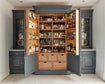
Larder cupboards are tall storage units designed to hold food, kitchen essentials, and pantry items in one organised place. Traditionally, they were used as cool storage areas for dry goods, preserves, and baking ingredients. Today, modern larder cupboards have evolved into highly practical kitchen furniture pieces that combine storage capacity with elegant design.
Most larder cupboards feature a tall cabinet-style structure with internal shelves, drawers, door racks, or pull-out storage compartments. Some are freestanding, while others are integrated into fitted kitchens.
The biggest appeal of larder cupboards is simple: they provide dedicated, easy-to-access food storage without taking over your entire kitchen.
For many UK households, that means fewer overstuffed wall units, fewer messy worktops, and a far more efficient cooking space.
Why Larder Cupboards Are So Popular in the UK
There has been a major shift in how people use their kitchens. Kitchens are no longer just places to cook — they are social spaces, family hubs, and multifunctional rooms. As a result, homeowners are increasingly looking for storage that is both practical and visually pleasing.
This is where larder cupboards really shine.
1. They create a cleaner, tidier kitchen
One of the main reasons people choose larder cupboards is to reduce clutter. Instead of storing pasta, cereals, tins, snacks, oils, spices, and baking ingredients in random cupboards all over the kitchen, everything can be kept together in one central place.
That instantly makes the kitchen feel more organised.
2. They maximise vertical storage
In many UK kitchens, floor space is limited. Larder cupboards make excellent use of height, allowing you to store far more without needing a larger kitchen footprint.
This makes them ideal for:
- Small kitchens
- Galley kitchens
- Open-plan kitchen-diners
- Utility rooms
- Family kitchens with lots of food storage needs
3. They improve kitchen workflow
Good kitchen design is not just about looks. It is about making daily life easier. Larder cupboards help create a more efficient cooking and meal-prep routine by keeping ingredients visible and accessible.
No more searching three cupboards deep for flour, rice, or that half-used jar at the back.
4. They add a premium, fitted-kitchen feel
Well-designed larder cupboards instantly elevate the appearance of a kitchen. Even in a more affordable kitchen setup, a tall pantry-style unit can create a more polished, structured, and high-end aesthetic.
That is one reason larder cupboards have become such a sought-after feature in kitchen design across the UK.
The Main Benefits of Larder Cupboards
If you are deciding whether a larder cupboard is worth it, the real value lies in how much easier it can make everyday kitchen life.
Better food organisation
Larder cupboards help you sort food into clear categories such as:
- Breakfast items
- Pasta and rice
- Tinned food
- Baking ingredients
- Tea and coffee
- Sauces and condiments
- Snacks
- Oils and seasonings
That means less waste, easier meal planning, and faster shopping lists.
Easier visibility
Because larder cupboards are typically tall and open vertically, you can often see much more of your food at once than in low or deep cabinets.
That makes it easier to:
- Use what you already have
- Avoid duplicate purchases
- Keep expiry dates under control
- Reduce hidden clutter
More worktop space
When your food storage is properly contained, you free up kitchen surfaces. This is especially useful if your worktops are currently crowded with cereal boxes, bread bins, jars, or dry goods.
Flexible storage for changing needs
One of the biggest advantages of larder cupboards is their versatility. They can work for:
- Family food storage
- Baking supplies
- Bulk shopping
- Pet food
- School lunch items
- Hosting and entertaining essentials
- Utility room overflow
A good larder cupboard can adapt as your household needs change.
Freestanding vs Fitted Larder Cupboards
When shopping for larder cupboards, one of the first decisions to make is whether you want a freestanding unit or a fitted one.
Freestanding larder cupboards
Freestanding larder cupboards are standalone furniture pieces that can be placed where needed. They are especially popular for homeowners who want flexible storage without committing to a full kitchen renovation.
Benefits include:
- Easier to install
- Ideal for renters or non-permanent layouts
- Great for adding extra pantry storage
- Often available in a wider range of furniture styles
- Can work in kitchens, dining rooms, or utility spaces
Freestanding larder cupboards are particularly useful in UK homes where fitted kitchen storage may not be enough.
Fitted larder cupboards
Fitted larder cupboards are built into a kitchen layout as part of a coordinated cabinetry system. They tend to offer a more integrated appearance and are common in bespoke or newly renovated kitchens.
Benefits include:
- Seamless kitchen design
- Custom sizing and finishes
- Can include pull-out storage systems
- Excellent use of awkward spaces
If you are not planning a full kitchen refit, freestanding larder cupboards are often the more practical and cost-effective solution.
Best Places to Put Larder Cupboards
One of the reasons larder cupboards are so useful is that they can work in several parts of the home.
In the kitchen
This is the most obvious and most popular location. Positioning larder cupboards near your main prep area can make cooking much more efficient.
In a kitchen-diner
If your kitchen opens into a dining area, a stylish larder cupboard can act as both storage and furniture, helping tie the room together visually.
In a utility room
Many UK households use utility rooms for overflow kitchen storage. Larder cupboards work brilliantly here for dry food, cleaning products, pet supplies, and household extras.
In an underused corner
A tall, well-proportioned cupboard can make use of dead space that would otherwise go unused.
In a pantry-style zone
If you have the room, placing one or two larder cupboards together can create a mini pantry wall that feels incredibly organised and luxurious.
What to Store in Larder Cupboards
A well-organised larder cupboard can become one of the hardest-working storage areas in your home. The key is to use it intentionally.
Here are some of the most common items people store in larder cupboards:
Dry food staples
- Pasta
- Rice
- Noodles
- Flour
- Sugar
- Lentils
- Pulses
- Breadcrumbs
- Couscous
- Oats
Tinned and jarred goods
- Beans
- Chopped tomatoes
- Soup
- Tuna
- Coconut milk
- Pickles
- Pasta sauces
- Jams
- Spreads
Breakfast and snack items
- Cereals
- Granola
- Crackers
- Biscuits
- Crisps
- Nut bars
- Dried fruit
Tea, coffee, and drinks supplies
- Tea bags
- Ground coffee
- Hot chocolate
- Herbal infusions
- Sweeteners
- Long-life milk
Baking essentials
- Cocoa powder
- Baking powder
- Vanilla extract
- Cake decorations
- Chocolate chips
- Mixing ingredients
Cooking essentials
- Olive oil
- Vinegar
- Seasonings
- Salt and pepper refills
- Sauces
- Stocks
Family and household extras
- Lunchbox supplies
- School snacks
- Pet food
- Reusable containers
- Foil and baking paper
The best larder cupboards make all of these categories easy to separate and access.
How to Organise Larder Cupboards Properly
Buying larder cupboards is only half the equation. The real magic happens when they are organised properly.
Group similar items together
The easiest way to keep a pantry functional is to store like with like. This helps you see what you have quickly and avoids random clutter.
Examples:
- Keep all breakfast items together
- Store all baking supplies in one zone
- Use one shelf for tins and jars
- Reserve lower shelves for heavier items
Use storage containers where useful
Decanting dry goods into clear containers can help create a neater, more uniform look while also making stock levels easier to track.
This works especially well for:
- Rice
- Pasta
- Flour
- Sugar
- Cereal
- Oats
- Snacks
Put everyday items at eye level
The most frequently used items should be easiest to reach. Less-used items can go higher or lower.
Keep heavy items lower down
This is both safer and more practical. Store heavier jars, bottles, or bulk packs on lower shelves.
Rotate stock regularly
A simple “first in, first out” approach helps reduce waste. Move older products to the front and newer purchases to the back.
Label where needed
Labels can be especially helpful in family homes where multiple people are using the same cupboard daily.
Choosing the Right Larder Cupboards for Your Kitchen
Not all larder cupboards are created equal. The best choice depends on your kitchen size, storage needs, and style preferences.
Here are the main things to consider.
1. Size and dimensions
Before buying, measure:
- Width
- Height
- Depth
- Door clearance
- Nearby appliances or wall obstructions
Tall larder cupboards can offer brilliant storage, but only if they fit comfortably within the room and still allow good movement.
In smaller UK kitchens, a narrower tall cupboard can often be more effective than several smaller cabinets.
2. Internal shelf layout
Look closely at the internal design. Some larder cupboards have fixed shelves, while others offer adjustable ones.
Adjustable shelving is especially useful because it allows you to customise the space for:
- Tall cereal boxes
- Large jars
- Bulk food packs
- Small containers
- Kitchen appliances
3. Door style
The door design can affect both appearance and practicality.
Popular options include:
- Single tall doors
- Double doors
- Panelled shaker-style doors
- Minimal modern slab doors
Think about how much clearance you have and what style best suits your kitchen.
4. Finish and colour
Larder cupboards are available in a wide range of finishes, from classic painted tones to wood-effect and modern matt finishes.
Popular UK kitchen choices often include:
- White
- Cream
- Grey
- Sage green
- Navy
- Oak-effect
- Charcoal
Choose a finish that complements your existing kitchen while still feeling timeless.
5. Storage capacity
It is tempting to focus only on external appearance, but internal capacity matters just as much.
A well-designed larder cupboard should offer enough usable storage to genuinely improve your kitchen, not just look attractive.
Larder Cupboards for Small Kitchens
One of the biggest misconceptions is that larder cupboards are only suitable for large kitchens. In reality, they can be even more valuable in smaller spaces.
Why they work so well in compact kitchens
Small kitchens often suffer from fragmented storage — a little bit here, a little bit there, and never enough room where you actually need it.
Larder cupboards solve that by consolidating storage vertically.
They can help small kitchens by:
- Reducing the need for multiple small wall units
- Keeping worktops clearer
- Creating one dedicated pantry area
- Improving overall organisation
- Making a compact kitchen feel more intentional
Tips for using larder cupboards in small kitchens
- Choose a tall, narrow design
- Avoid overly bulky handles if space is tight
- Keep internal organisation simple and efficient
- Use door racks if available
- Place the cupboard near your prep area for best usability
In many cases, one good larder cupboard can outperform several poorly used standard cabinets.
Larder Cupboards and Kitchen Style
One reason larder cupboards remain so popular is that they work across a huge range of kitchen styles.
Traditional kitchens
Panelled or painted larder cupboards suit farmhouse, country, and heritage-inspired kitchens beautifully.
Modern kitchens
Clean-lined larder cupboards with simple finishes fit perfectly into contemporary spaces.
Transitional kitchens
If your style sits somewhere between classic and modern, larder cupboards can help bridge the two, especially when chosen in soft neutral finishes.
Utility-led practical kitchens
Even in more function-first spaces, larder cupboards can create structure and improve day-to-day use dramatically.
The beauty of larder cupboards is that they are not just trendy — they are genuinely timeless.
Common Mistakes to Avoid When Buying Larder Cupboards
If you want your purchase to be worthwhile, avoid these common mistakes.
Choosing style over function
A cupboard might look lovely online, but if the internal layout is poor, it may not solve your storage problem.
Ignoring shelf depth
Very deep shelves can become awkward if smaller items disappear at the back. Consider how visible and accessible the contents will actually be.
Not measuring properly
Always account for skirting boards, door opening space, and nearby kitchen traffic flow.
Overfilling it immediately
A larder cupboard works best when there is a system. If you just transfer clutter from multiple cupboards into one new unit, you will lose much of the benefit.
Storing the wrong things
Larder cupboards are best for dry food, packaged goods, and pantry storage. They are not ideal for damp items or anything that needs refrigeration.
Are Larder Cupboards Worth It?
For most households, yes — absolutely.
If you regularly deal with:
- Messy kitchen cupboards
- Overcrowded worktops
- Lost ingredients
- Duplicated food purchases
- A lack of pantry space
- Poor kitchen organisation
…then larder cupboards can make a noticeable difference.
They are not just about aesthetics. They improve the practical day-to-day function of your kitchen in a way many storage solutions simply do not.
And because they offer a blend of style, organisation, and long-term usability, they are one of the few kitchen furniture investments that tend to keep proving their value over time.
Final Thoughts on Larder Cupboards
Larder cupboards are one of the smartest ways to create a more organised, more functional, and more visually appealing kitchen.
They help streamline food storage, improve everyday cooking routines, free up valuable worktop space, and make kitchens feel calmer and more structured. Whether you are designing a new kitchen, upgrading your current storage, or simply trying to bring more order to a busy household, larder cupboards are a practical solution with lasting appeal.
In UK homes where kitchen space often needs to work harder, they offer exactly the kind of storage flexibility that modern living demands.
If you are looking for a kitchen upgrade that combines style with genuine everyday usefulness, larder cupboards are very hard to beat.
FAQ SECTION
What are larder cupboards used for?
Larder cupboards are used for storing dry food, tins, jars, snacks, baking ingredients, cooking essentials, and other pantry items in one organised space.
Are larder cupboards good for small kitchens?
Yes, larder cupboards are excellent for small kitchens because they maximise vertical storage and reduce clutter without needing lots of floor space.
What is the difference between a pantry and larder cupboards?
A pantry is often a separate room or dedicated food storage area, while larder cupboards are tall cupboard units designed to create pantry-style storage within a kitchen or utility space.
Can larder cupboards be freestanding?
Yes, many larder cupboards are freestanding, which makes them ideal for kitchens that need extra storage without a full renovation.
What should not be stored in larder cupboards?
Avoid storing refrigerated food, damp items, or anything likely to cause moisture build-up. Larder cupboards are best for dry and shelf-stable goods.
Are larder cupboards still in style?
Yes, larder cupboards are extremely popular in modern UK kitchen design because they combine practical storage with timeless style.
How do I organise larder cupboards properly?
The best approach is to group similar items together, keep everyday essentials at eye level, place heavy items lower down, and use containers or labels where helpful.
What colour larder cupboards are most popular?
Popular colours for larder cupboards in UK homes include white, cream, grey, navy, sage green, and wood-effect finishes.
Are larder cupboards worth buying?
For most homes, yes. Larder cupboards can improve kitchen organisation, reduce clutter, and make food storage much more efficient.
Where should larder cupboards go in a kitchen?
Larder cupboards work best near food prep areas, in underused corners, along a wall of cabinetry, or in utility rooms where extra pantry storage is needed.