- No products in the cart.




THE SECRET ARCHITECTURE OF LARDER CUPBOARDS: HOW TO TRANSFORM YOUR KITCHEN INTO A HIGH-FUNCTION STORAGE POWERHOUSE

17
Apr
Introduction: Why larder cupboards are redefining modern UK kitchens
In recent years, larder cupboards have rapidly evolved from a traditional pantry concept into one of the most sought-after kitchen storage solutions in UK homes. With rising food costs, smaller kitchen footprints, and a growing demand for organised living, homeowners are actively searching for smarter ways to store groceries, cookware, and everyday essentials.
Larder cupboards offer a powerful combination of practicality, aesthetics, and efficiency. They allow you to maximise vertical space, reduce clutter, and create a streamlined kitchen environment that supports both daily cooking and long-term storage.
This guide explores everything you need to know about larder cupboards—from design styles and internal layouts to space optimisation strategies and buying considerations—so you can make an informed decision and transform your kitchen into a highly functional space.
What are larder cupboards and why are they essential?
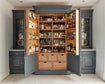
Larder cupboards are tall, freestanding or integrated storage units designed to hold food, kitchen supplies, and sometimes small appliances. Traditionally used to store dry goods, they have now become a central storage solution in modern kitchens across the UK.
Unlike standard kitchen cabinets, larder cupboards are designed for accessibility and organisation. They often include shelving, drawers, racks, and door storage systems that make it easy to see and access everything at a glance.
Key benefits of larder cupboards:
- Maximise vertical storage space
- Improve kitchen organisation and efficiency
- Reduce countertop clutter
- Store bulk groceries effectively
- Enhance overall kitchen aesthetics
For UK households dealing with limited kitchen space or growing storage needs, larder cupboards are no longer a luxury—they are becoming a necessity.
Types of larder cupboards for UK homes
Freestanding larder cupboards
Freestanding larder cupboards are one of the most versatile options available. They can be placed anywhere in the kitchen and do not require integration with existing cabinetry.
Ideal for:
- Smaller kitchens needing flexible placement
- Period homes with traditional layouts
- Renters or those avoiding permanent installations
Tall integrated larder cupboards
These are built into your kitchen units for a seamless, modern look. They blend with existing cabinetry and often include advanced internal storage features.
Ideal for:
- Contemporary kitchens
- Open-plan layouts
- Homeowners seeking a clean, minimalist aesthetic
Pull-out larder cupboards
These feature internal racks or baskets that slide out when the door is opened, offering full visibility and easy access.
Ideal for:
- Narrow spaces
- High-efficiency storage
- Busy households needing quick access
Corner larder cupboards
Designed to utilise awkward corner spaces, these cupboards maximise otherwise wasted areas.
Ideal for:
- Compact kitchens
- Maximising every inch of space
- Creative storage solutions
Key features to look for in high-quality larder cupboards
When choosing larder cupboards, the internal structure is just as important as the external design. The right features can significantly enhance usability and longevity.
Adjustable shelving
Flexible shelves allow you to store items of different heights, from cereal boxes to large containers.
Deep storage compartments
Perfect for bulk food storage, helping reduce frequent shopping trips.
Door-mounted racks
These are ideal for storing spices, jars, and smaller items, keeping them easily accessible.
Soft-close hinges
A small but valuable feature that improves durability and reduces wear over time.
Ventilation design
Good airflow helps maintain freshness, particularly for food storage.
How larder cupboards improve kitchen organisation
One of the biggest challenges in UK kitchens is clutter. Limited cupboard space often leads to overcrowded shelves, making it difficult to find items quickly.
Larder cupboards solve this problem by creating dedicated zones for different categories:
- Dry food storage
- Baking essentials
- Snacks and quick-access items
- Cooking ingredients
- Cleaning supplies
This zoning approach improves efficiency, reduces waste, and makes meal preparation significantly faster.
Space-saving strategies using larder cupboards
If you have a small or medium-sized kitchen, strategic placement of larder cupboards can dramatically increase usable space.
Use full-height designs
Tall larder cupboards take advantage of vertical space, allowing you to store more without increasing the footprint.
Incorporate slimline units
Narrow larder cupboards can fit into tight spaces, such as gaps between appliances.
Combine with wall storage
Pairing larder cupboards with wall-mounted shelves creates a layered storage system.
Position near food prep areas
Keeping your larder cupboard close to your main workspace improves workflow and convenience.
Design styles of larder cupboards for UK interiors
Traditional larder cupboards
These often feature shaker-style doors, neutral colours, and classic finishes. They work well in country-style kitchens and period homes.
Modern minimalist larder cupboards
Characterised by clean lines, handleless designs, and sleek finishes, these are perfect for contemporary kitchens.
Industrial-style larder cupboards
Featuring darker tones, metal accents, and bold structures, these add a striking visual element to modern interiors.
Scandinavian-inspired larder cupboards
Light wood finishes, simple designs, and functional layouts define this style, making it ideal for bright, airy kitchens.
Choosing the right size and dimensions
Before purchasing larder cupboards, it is essential to measure your available space accurately.
Consider:
- Ceiling height
- Door clearance
- Proximity to appliances
- Walking space around the unit
Standard UK larder cupboards typically range from 180cm to 220cm in height, but custom options are available for unique spaces.
Material choices and durability
The material of your larder cupboard impacts both its appearance and lifespan.
Solid wood
Offers durability and a premium feel, ideal for long-term use.
Engineered wood
A more affordable option that still provides good strength and stability.
Painted finishes
Popular in UK kitchens, offering versatility in colour and style.
Laminate finishes
Easy to clean and resistant to wear, making them suitable for busy households.
How to organise your larder cupboards effectively
Even the best larder cupboards can become cluttered without proper organisation.
Use clear containers
They allow you to see contents quickly and keep items fresh.
Group similar items
Store baking supplies together, snacks together, and so on.
Label everything
Labels reduce confusion and save time.
Rotate stock regularly
Keep older items at the front to minimise waste.
Use baskets for small items
Prevent small products from getting lost at the back.
Common mistakes to avoid when choosing larder cupboards
Ignoring internal layout
A beautiful exterior means little if the inside is not functional.
Overlooking door clearance
Ensure there is enough space for doors to open fully.
Choosing style over practicality
Balance aesthetics with usability.
Underestimating storage needs
It is better to have slightly more storage than not enough.
Poor placement
Positioning your larder cupboard far from your main cooking area reduces convenience.
Why UK homeowners are investing in larder cupboards now
Several trends are driving the popularity of larder cupboards across the UK:
- Increased home cooking
- Bulk buying habits
- Smaller urban kitchens
- Desire for organised living spaces
- Rising interest in minimalist design
These factors make larder cupboards a smart and future-proof investment.
Larder cupboards for different household types
Families
Benefit from large storage capacity and easy organisation.
Couples
Can maintain a clutter-free kitchen with compact designs.
Single occupants
Gain efficiency and improved storage without taking up too much space.
Home cooks and food enthusiasts
Enjoy better organisation for ingredients and cooking tools.
Conclusion: The long-term value of larder cupboards
Larder cupboards are more than just storage units—they are a transformational addition to any kitchen. By improving organisation, maximising space, and enhancing overall efficiency, they create a more enjoyable and functional cooking environment.
For UK homeowners looking to upgrade their kitchen, investing in high-quality larder cupboards is one of the most impactful decisions you can make. With the right design, layout, and organisation strategy, they can completely change how your kitchen operates.
FAQ SECTION
What are larder cupboards used for?
Larder cupboards are used to store food, kitchen supplies, and household essentials in an organised and accessible way.
Are larder cupboards suitable for small kitchens?
Yes, especially slimline or tall designs that maximise vertical space without taking up much floor area.
How deep should larder cupboards be?
Most larder cupboards range between 50cm and 60cm in depth, which is ideal for storing a wide variety of items.
Can larder cupboards be freestanding?
Yes, freestanding options are widely available and offer flexibility in placement.
Do larder cupboards add value to a home?
Well-designed storage solutions like larder cupboards can enhance kitchen appeal and potentially increase property value.
How do you keep larder cupboards organised?
Use containers, labels, and grouping systems to maintain order and accessibility.
What is the best material for larder cupboards?
Solid wood is the most durable, while engineered wood offers a more budget-friendly alternative.