- No products in the cart.




THE SILENT KITCHEN REVOLUTION OF PANTRY CUPBOARDS

04
Apr
Pantry cupboards have become one of the most practical and desirable kitchen storage solutions in UK homes, and it is not difficult to see why. Whether you live in a compact flat, a family semi-detached house, or a larger countryside property, the need for organised, accessible, and attractive kitchen storage has never been greater.
Modern life places huge demands on the kitchen. It is no longer just a place to cook. It is where groceries are unpacked, packed lunches are prepared, appliances are stored, snacks are grabbed, and household routines are managed. As a result, clutter builds quickly. Dry foods, tins, jars, baking ingredients, cereals, tea, coffee, oils, condiments, cleaning products, and small appliances all need a proper home.
That is exactly where pantry cupboards come in.
In this guide, we will explore why pantry cupboards are so popular, how to choose the right one for your home, what features matter most, and how they can completely transform your kitchen storage. If you are searching for a smarter, cleaner, and more stylish way to organise your home, pantry cupboards may be the single best furniture upgrade you can make.
Why Pantry Cupboards Are So Popular in UK Homes
There has been a major shift in how people think about kitchen storage. Instead of relying purely on fitted kitchen units, more homeowners are looking for flexible storage furniture that adds both function and style. Pantry cupboards meet that need perfectly.
One of the biggest reasons pantry cupboards are growing in popularity is that they create a dedicated food and kitchen essentials zone. Rather than spreading items across multiple cabinets, shelves, and worktops, a pantry cupboard allows you to centralise everything in one place.
This is especially useful in UK homes where kitchen space can be limited. Many households do not have the luxury of a walk-in pantry, utility room, or oversized fitted kitchen. Pantry cupboards offer the feel and functionality of a pantry without requiring a major renovation.
They are also incredibly versatile. Pantry cupboards can be used for:
- dry food storage
- breakfast station organisation
- tea and coffee storage
- baking ingredient organisation
- microwave or small appliance housing
- kitchen overflow storage
- family snack zones
- hidden cleaning supply storage
This flexibility is one of the main reasons so many people specifically search for pantry cupboards when upgrading their kitchen.
What Are Pantry Cupboards?
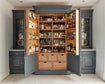
Pantry cupboards are tall storage units designed to hold food, kitchen essentials, and household items in a more organised and accessible way. They usually include a combination of shelves, cupboards, drawers, and sometimes internal racks or worktop space.
Some pantry cupboards are designed with traditional charm, featuring shaker-style doors and classic proportions. Others are more contemporary, with sleek finishes and minimalist lines suited to modern interiors.
The key difference between ordinary kitchen storage and pantry cupboards is purpose. A pantry cupboard is designed to be a storage hub. It is not just another cabinet. It is a practical system for reducing mess and improving daily life.
The Real Benefits of Pantry Cupboards
1. They instantly reduce visual clutter
One of the most noticeable benefits of pantry cupboards is how quickly they make a kitchen feel calmer. Worktops become clearer, random packets disappear from shelves, and loose items finally get a designated home.
A cluttered kitchen can make even a clean room feel untidy. Pantry cupboards help solve that by hiding the practical reality of everyday life behind stylish doors.
2. They improve kitchen efficiency
When everything is stored logically, daily tasks become easier. You spend less time hunting for ingredients, less time reorganising messy cabinets, and less time repurchasing items you forgot you already had.
Pantry cupboards can help streamline:
- meal prep
- school lunch packing
- grocery unpacking
- breakfast routines
- baking
- family snack access
That might sound simple, but over time it can make a huge difference to how your kitchen feels and functions.
3. They maximise vertical storage
A lot of UK kitchens suffer from one common problem: not enough storage, but plenty of unused wall height. Pantry cupboards solve this beautifully by making use of vertical space.
A tall pantry cupboard allows you to store significantly more than a low sideboard or standard base cabinet. This is especially valuable in smaller homes where every square foot matters.
4. They can replace the need for extra kitchen cabinetry
In some homes, pantry cupboards are not just an addition. They are a solution to a bigger layout problem. If your kitchen lacks sufficient fitted storage, a well-chosen pantry cupboard can act almost like an extension of the kitchen itself.
This can be far more affordable and flexible than fitting new cabinets.
5. They add style as well as storage
The best pantry cupboards do not just solve practical issues. They also improve the overall look of the kitchen. A well-designed pantry cupboard can become a focal point, adding warmth, structure, and character to the room.
Who Should Buy Pantry Cupboards?
The truth is, pantry cupboards suit far more homes than people realise. They are particularly useful for:
Families
Families tend to accumulate large volumes of groceries, snacks, packed lunch items, and bulk purchases. Pantry cupboards make it easier to manage all of this neatly.
Small kitchens
If you do not have a utility room or walk-in pantry, pantry cupboards can deliver similar benefits without requiring extra rooms.
Open-plan living spaces
In open-plan kitchens, clutter is much more visible. Pantry cupboards help keep everything looking tidy and intentional.
People who batch cook or bulk buy
If you like to stock up on tins, pasta, rice, sauces, cereals, or baking supplies, pantry cupboards make storage far easier.
Homeowners who want a more premium kitchen feel
Even if your kitchen is already functional, adding pantry cupboards can elevate the room and make it feel more thoughtfully designed.
How to Choose the Right Pantry Cupboards for Your Kitchen
Not all pantry cupboards are created equal. The best choice depends on your layout, your storage needs, and how you actually use your kitchen.
Consider your available space
Before choosing pantry cupboards, think carefully about where they will go.
Measure:
- width
- depth
- ceiling clearance
- door opening space
- nearby appliance access
- walking space around the unit
A pantry cupboard should feel integrated into the room, not squeezed in as an afterthought.
Think about what you want to store
This is where many people go wrong. They buy pantry cupboards based on appearance alone, then realise the internal layout does not suit their needs.
Ask yourself:
- Do you want to store food only?
- Do you need room for appliances?
- Will you use it as a breakfast station?
- Do you need shelves for jars and tins?
- Would drawers be helpful for packets and loose items?
- Do you want hidden space for cleaning products?
The more honest you are about usage, the better your choice will be.
Choose the right internal configuration
The most useful pantry cupboards usually include a mix of storage types.
Look out for:
- adjustable shelves
- deep lower cupboards
- internal shelf spacing
- drawer storage
- split-door layouts
- open middle sections
- worktop-style interior shelves
- easy-reach storage zones
A good pantry cupboard should feel practical every day, not just attractive in photos.
Prioritise depth and shelf usability
Some pantry cupboards look large from the outside but are less useful internally if shelves are too shallow or awkwardly spaced.
For food storage, shelf depth matters. You want enough room for cereal boxes, pasta jars, tins, oils, and household staples without wasting space or making things difficult to reach.
Best Ways to Use Pantry Cupboards in a UK Kitchen
One of the best things about pantry cupboards is how adaptable they are. Here are some of the most popular and effective ways to use them.
Pantry Cupboards as a Food Storage Station
This is the classic use, and for good reason.
You can organise pantry cupboards by category, such as:
- cereals and breakfast items
- pasta, rice, and grains
- tins and jars
- herbs, spices, and oils
- baking ingredients
- snacks and lunchbox items
- tea, coffee, and hot drinks
This creates a much more organised kitchen flow and makes meal planning easier.
Pantry Cupboards as a Breakfast Station
A growing number of homeowners use pantry cupboards as hidden breakfast stations. This setup works particularly well if you want to keep worktops cleaner.
A breakfast pantry cupboard might include:
- toaster
- kettle
- mugs
- cereal
- tea and coffee
- bread
- spreads
- bowls and spoons
This keeps morning essentials in one place and reduces kitchen chaos during busy mornings.
Pantry Cupboards for Small Appliance Storage
Kitchen appliances are useful, but they can quickly take over worktops. Pantry cupboards are ideal for storing:
- microwaves
- air fryers
- blenders
- coffee machines
- slow cookers
- mixers
- food processors
This can make your kitchen feel significantly more spacious and less crowded.
Pantry Cupboards for Household Overflow
Not everything stored in the kitchen is food. Many people use pantry cupboards to house household essentials such as:
- kitchen roll
- foil and cling film
- reusable food containers
- pet food
- cleaning products
- spare mugs and serving items
This is particularly useful in homes without separate utility storage.
Pantry Cupboards and Kitchen Design: Matching Style with Function
Storage is important, but aesthetics matter too. Pantry cupboards should work with the look and feel of your kitchen, not against it.
For classic kitchens
Traditional pantry cupboards often suit:
- shaker kitchens
- farmhouse-style interiors
- period homes
- cottage-inspired kitchens
These usually work well in neutral tones and timeless finishes.
For modern kitchens
Contemporary pantry cupboards often suit:
- handleless kitchens
- minimalist spaces
- monochrome interiors
- open-plan modern homes
These tend to focus on cleaner lines and sleeker profiles.
For smaller kitchens
If space is tight, lighter-coloured pantry cupboards can help the room feel more open. Taller, slimmer designs often work better than bulky wide units in compact kitchens.
How to Organise Pantry Cupboards Properly
Buying pantry cupboards is only half the story. Organising them well is what really unlocks their value.
Use Zones
Create clear zones so similar items stay together. For example:
- top shelves for backstock or less-used items
- middle shelves for daily essentials
- lower shelves for heavier items
- drawers for packets and loose products
This makes everything easier to find and maintain.
Store by Frequency of Use
Keep the items you use most often at eye level or within easy reach. Less-used or bulk items can go higher or lower.
Avoid Overfilling
One of the quickest ways to make pantry cupboards frustrating is to overpack them. Leave a little breathing room between categories so items are easier to access.
Use Containers Selectively
You do not need to decant everything into matching jars, but a few baskets or organisers can help contain loose items and make pantry cupboards more functional.
Label Where It Helps
Simple labels can make pantry cupboards easier to maintain, especially in busy family homes where multiple people use the kitchen.
Common Mistakes to Avoid When Buying Pantry Cupboards
Even the best-looking pantry cupboards can disappoint if they are not chosen carefully. Here are some mistakes to avoid.
Choosing style over internal practicality
A beautiful cupboard is not much use if it does not store what you need.
Ignoring shelf spacing
Always think about the height of cereal boxes, jars, bottles, and appliances before buying.
Buying too small
Many people underestimate how much they want to store. If space allows, it is often worth going slightly larger.
Not planning for door clearance
A pantry cupboard needs room to open fully and function comfortably.
Forgetting about long-term use
Try to choose pantry cupboards that will still work for your home as routines evolve.
Are Pantry Cupboards Worth It?
For many homeowners, pantry cupboards are absolutely worth it.
They solve a very real problem: modern kitchens often need to do more than they were designed for. We buy more, store more, cook more, and rely on the kitchen more heavily than ever.
Pantry cupboards help bring order to that reality.
They can make your kitchen:
- tidier
- more functional
- easier to use
- more visually appealing
- more storage-efficient
- less stressful day to day
And unlike some furniture purchases, pantry cupboards offer value every single day. You feel the benefit every time you put groceries away, make breakfast, prepare dinner, or simply walk into a cleaner-looking kitchen.
Why Pantry Cupboards Are a Smart Long-Term Storage Investment
Kitchen storage is one of the most important elements of a well-functioning home. While decorative furniture can improve appearance, pantry cupboards offer something more useful: practical improvement to everyday life.
That is what makes them such a smart investment.
Good pantry cupboards can adapt over time. Today they might store food and small appliances. In the future, they might become a family snack station, a baking cupboard, or even a utility-style organiser.
This flexibility gives them lasting relevance, especially in homes where routines and storage needs change over time.
Pantry Cupboards and Search Intent: Why More UK Shoppers Are Looking for Them
Search demand around pantry cupboards continues to grow because people are actively looking for a specific solution. This is not just a decorative trend. It reflects a real household need.
When people search for pantry cupboards, they are often looking for:
- better kitchen organisation
- food storage furniture
- kitchen cupboard storage ideas
- freestanding pantry storage
- tall kitchen storage furniture
- pantry units for small kitchens
- stylish kitchen storage solutions
- extra kitchen cupboard space
That means pantry cupboards sit at the intersection of style, storage, and home improvement, which is exactly why they are becoming such an important category in modern kitchen furniture.
Final Thoughts on Pantry Cupboards
Pantry cupboards are one of the most practical and impactful additions you can make to a kitchen. They help solve clutter, improve storage, support daily routines, and bring structure to one of the busiest rooms in the home.
For UK households dealing with limited space, overflowing cabinets, or messy worktops, pantry cupboards offer a simple but powerful solution. They provide the feel of a more organised, higher-functioning kitchen without the need for a full renovation.
If you want your kitchen to feel calmer, smarter, and more usable every day, pantry cupboards are not just a nice extra. They are one of the most worthwhile storage upgrades you can make.
FAQ SECTION
What are pantry cupboards used for?
Pantry cupboards are mainly used for storing food, dry goods, jars, tins, snacks, baking ingredients, and kitchen essentials. Many people also use pantry cupboards for small appliances, tea and coffee stations, or general kitchen overflow storage.
Are pantry cupboards good for small kitchens?
Yes, pantry cupboards are especially useful in small kitchens because they maximise vertical storage and help reduce worktop clutter. They can provide substantial storage without requiring a full kitchen refit.
What should I store in pantry cupboards?
Pantry cupboards are ideal for cereals, pasta, rice, tins, sauces, snacks, baking supplies, oils, condiments, tea, coffee, and kitchen accessories. Some people also use them to store appliances or household essentials.
Are pantry cupboards better than open shelving?
For most households, pantry cupboards are more practical than open shelving because they keep items hidden, reduce visual clutter, and usually provide more flexible storage for a wider range of kitchen essentials.
Can pantry cupboards hold kitchen appliances?
Yes, many pantry cupboards are suitable for storing small kitchen appliances such as microwaves, toasters, air fryers, blenders, and coffee machines, depending on the internal layout and shelf dimensions.
How do I organise pantry cupboards properly?
The best way to organise pantry cupboards is by grouping similar items together, using shelves by category, keeping everyday items at eye level, and storing heavier or less-used products lower down or higher up.
Are pantry cupboards worth buying?
For most homes, pantry cupboards are a very worthwhile purchase because they improve kitchen organisation, increase usable storage space, and help create a tidier and more functional kitchen.
What is the difference between a pantry cupboard and a kitchen cabinet?
A kitchen cabinet is usually part of a wider fitted kitchen layout, while pantry cupboards are often designed as dedicated storage units focused specifically on food, kitchen essentials, and organised household storage.