- No products in the cart.




KITCHEN STORAGE CUPBOARDS: THE INVISIBLE ARCHITECTURE OF A WELL-ORGANISED BRITISH KITCHEN

27
Jan
Introduction: why kitchen storage matters more than you think
Kitchen storage cupboards are one of the most influential yet overlooked elements in any kitchen. They quietly dictate how efficiently you cook, how calm the space feels, and how well your kitchen adapts to daily life in a UK home. From compact city flats to large family houses, the right storage decisions can transform a kitchen from cluttered and stressful into streamlined and enjoyable.
In the UK, kitchens often serve multiple roles. They are places to cook, eat, work, store appliances, and gather with family. Because space is frequently at a premium, especially in older properties, kitchen storage cupboards play a crucial role in maximising usability without compromising comfort or style.
This guide explores kitchen storage cupboards in depth. It covers types, layouts, materials, internal configurations, buying considerations, and long-term value, all through a practical UK-focused lens. Whether you are planning a full kitchen upgrade or simply want to improve organisation, this article will help you make confident, informed choices.
Understanding kitchen storage cupboards and their role in the home
Kitchen storage cupboards are enclosed units designed to store food, cookware, utensils, appliances, and household items. Unlike open shelving, cupboards conceal contents, reduce visual clutter, and protect items from dust and grease.
In UK homes, cupboards often need to work harder than in other countries. Smaller room sizes, limited pantry space, and multi-functional living areas mean that storage must be efficient, flexible, and thoughtfully planned.
Well-designed kitchen storage cupboards contribute to:
-
Better workflow and cooking efficiency
-
Reduced stress and visual noise
-
Improved hygiene and food safety
-
Enhanced resale appeal of the home
When cupboards are poorly planned, kitchens feel cramped even when they are physically large. When they are well planned, even small kitchens feel generous and organised.
Different types of kitchen storage cupboards explained
Understanding the main categories of kitchen storage cupboards makes it easier to plan a balanced and functional layout.
Base cupboards
Base cupboards sit on the floor and support worktops. They are typically deeper than wall cupboards and are ideal for heavy items such as pots, pans, and small appliances.
Common base cupboard uses include:
-
Saucepan and cookware storage
-
Recycling and waste separation
-
Food storage using internal drawers or baskets
In UK kitchens, base cupboards often benefit from internal drawer systems rather than fixed shelves, as drawers allow full access without bending or reaching into dark corners.
Wall cupboards
Wall cupboards are mounted above worktops and are commonly used for everyday items such as plates, glasses, and dry goods. They make use of vertical space, which is particularly important in smaller kitchens.
Key considerations for wall cupboards include ceiling height, reachability, and door opening clearance. In many UK homes, wall cupboards extend close to the ceiling to maximise storage and reduce dust traps.
Tall cupboards
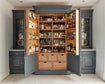
Tall cupboards, sometimes called larder cupboards, run from floor to near ceiling height. They provide substantial storage in a compact footprint and are increasingly popular in modern UK kitchens.
Tall kitchen storage cupboards are ideal for:
-
Food pantry storage
-
Cleaning supplies
-
Integrated appliances
-
Bulk items and rarely used equipment
They are especially effective in open-plan kitchens where visual consistency and vertical balance are important.
Corner cupboards
Corner cupboards address one of the most challenging areas in kitchen design. Without thoughtful planning, corner spaces can become inaccessible and wasted.
Modern corner cupboard solutions include rotating shelves, pull-out mechanisms, and angled drawers. These designs significantly improve access and storage efficiency compared to traditional fixed shelves.
Specialist cupboards
Specialist kitchen storage cupboards are designed for specific functions. Examples include pull-out spice cupboards, broom cupboards, tray storage cupboards, and integrated recycling units.
While not essential in every kitchen, specialist cupboards can dramatically improve daily usability when matched to household habits.
Kitchen storage cupboards and kitchen layout planning
The effectiveness of kitchen storage cupboards depends heavily on overall kitchen layout. In the UK, the most common layouts include galley, L-shaped, U-shaped, and open-plan kitchens.
Galley kitchens
Galley kitchens are common in terraced houses and flats. Storage must be carefully planned to avoid overcrowding.
In galley kitchens, tall cupboards placed at one end can provide pantry storage without interrupting workflow. Wall cupboards should be balanced to avoid a boxed-in feeling.
L-shaped kitchens
L-shaped kitchens offer flexibility and suit both small and medium-sized spaces. Kitchen storage cupboards can be distributed along two walls, allowing for a mix of base, wall, and tall units.
Corner cupboards are especially important in L-shaped layouts to ensure no space is wasted.
U-shaped kitchens
U-shaped kitchens maximise storage potential but require careful planning to maintain good circulation space.
In this layout, kitchen storage cupboards can be extensive, but attention must be paid to door and drawer clearance to avoid collisions.
Open-plan kitchens
Open-plan kitchens are increasingly common in UK renovations. In these spaces, kitchen storage cupboards must balance functionality with visual appeal.
Tall cupboards are often grouped together to create a clean, architectural look, while base and wall cupboards are designed to blend seamlessly with living areas.
Materials and construction quality in kitchen storage cupboards
The longevity and performance of kitchen storage cupboards depend largely on materials and construction methods.
Carcass materials
The carcass is the structural body of the cupboard. High-quality carcasses provide strength, durability, and resistance to moisture.
In UK kitchens, moisture resistance is particularly important due to steam, condensation, and frequent use of kettles and dishwashers.
Back panels, edge banding, and joinery methods all influence the lifespan of kitchen storage cupboards.
Doors and finishes
Cupboard doors define much of the kitchen’s visual character. Common finishes include painted, laminated, wood-effect, and textured surfaces.
Practical considerations for UK households include ease of cleaning, resistance to fingerprints, and durability under daily use.
Soft-close hinges and sturdy handles also contribute to long-term satisfaction.
Internal fittings and hardware
Internal fittings are where kitchen storage cupboards truly earn their value. Drawers, pull-out shelves, dividers, and organisers transform cupboards from simple boxes into efficient storage systems.
Quality hardware ensures smooth operation, quiet closing, and long service life.
Maximising storage inside kitchen storage cupboards
The interior of a cupboard matters just as much as its exterior. Thoughtful internal organisation can double usable storage without increasing cupboard size.
Drawers versus shelves
Drawers provide better visibility and access than fixed shelves. Deep drawers are especially useful for pans and bulky items.
In many UK kitchens, replacing shelves with internal drawers dramatically improves usability.
Vertical storage
Vertical dividers allow trays, chopping boards, and baking sheets to be stored upright, saving space and reducing clutter.
Door-mounted storage
The inside of cupboard doors can be used for spice racks, cleaning product holders, or utensil storage. This is particularly useful in smaller kitchens.
Adjustable systems
Adjustable shelves and modular organisers allow kitchen storage cupboards to adapt as household needs change over time.
Kitchen storage cupboards for small UK kitchens
Small kitchens are common across the UK, particularly in older housing stock. In these spaces, every centimetre counts.
Strategies for small kitchens include:
-
Using full-height cupboards to maximise vertical space
-
Choosing internal drawers to improve access
-
Avoiding overly deep cupboards that reduce circulation space
-
Integrating appliances into tall cupboards
Light-coloured finishes and handle-less designs can also help small kitchens feel more spacious.
Kitchen storage cupboards for family homes
In family households, kitchen storage cupboards must accommodate higher volumes of food, varied cooking equipment, and frequent use.
Key considerations include:
-
Durable materials that withstand daily wear
-
Easy-to-clean interiors and finishes
-
Clearly defined zones for food, utensils, and cleaning supplies
Tall pantry cupboards are particularly valuable in family kitchens, helping to keep worktops clear and routines organised.
Kitchen storage cupboards and accessibility
Accessibility is an increasingly important consideration in kitchen design, especially for multi-generational households.
Features that improve accessibility include:
-
Pull-out shelves instead of fixed shelves
-
Soft-close mechanisms to reduce strain
-
Lower drawer units for frequently used items
Well-designed kitchen storage cupboards can support independence and comfort for users of all ages.
Sustainability and long-term value
Sustainability is becoming a priority for many UK homeowners. Kitchen storage cupboards play a role in reducing waste and supporting long-term use.
Durable cupboards reduce the need for replacement and refurbishment. Adjustable interiors allow cupboards to adapt rather than be discarded.
Choosing timeless designs rather than trend-led finishes also helps extend the useful life of kitchen storage cupboards.
Common mistakes to avoid when choosing kitchen storage cupboards
Many kitchen issues stem from avoidable planning mistakes.
Common pitfalls include:
-
Prioritising appearance over functionality
-
Underestimating storage needs
-
Ignoring internal fittings
-
Overcrowding the space with too many cupboards
Taking time to plan storage based on real habits leads to better outcomes.
How kitchen storage cupboards affect property value
Kitchens are one of the most influential rooms when it comes to property appeal in the UK. Well-designed kitchen storage cupboards signal quality, organisation, and practicality.
Prospective buyers often notice:
-
Ample, well-organised storage
-
Clean lines and durable finishes
-
Logical layouts that feel intuitive
Investment in good storage can therefore contribute to both enjoyment and resale value.
Maintenance and care of kitchen storage cupboards
Proper care extends the life of kitchen storage cupboards.
Simple maintenance tips include:
-
Wiping spills promptly to prevent moisture damage
-
Avoiding excessive weight on shelves
-
Periodically checking hinges and drawer runners
With basic care, quality cupboards can last for many years without issue.
Planning your kitchen storage cupboards with confidence
The best kitchen storage cupboards are those that reflect how you actually live. Cooking habits, household size, shopping routines, and available space should all guide decisions.
Taking a measured, practical approach ensures storage that works today and continues to work in the future.
Conclusion: bringing order and ease to everyday life
Kitchen storage cupboards are far more than a background feature. They shape how a kitchen functions, how it feels, and how it supports daily life in a UK home.
When thoughtfully planned, they create calm, efficient spaces that reduce stress and enhance enjoyment. From compact flats to busy family kitchens, the right storage choices make a lasting difference.
By focusing on layout, internal organisation, quality materials, and realistic needs, you can create kitchen storage cupboards that quietly but powerfully improve your home for years to come.