- No products in the cart.




LARDER CUPBOARDS: THE QUIET POWERHOUSES TRANSFORMING MODERN UK KITCHENS

09
Jan
Across homes in the UK, kitchens have evolved from purely functional spaces into multi-purpose hubs for cooking, storage, entertaining, working, and family life. As this evolution continues, one storage solution has re-emerged as both a practical and design-led essential: larder cupboards. Once considered a traditional or old-fashioned feature, larder cupboards are now at the centre of modern kitchen planning, offering unparalleled organisation, improved food preservation, and a calm, clutter-free aesthetic.
This in-depth guide explores everything you need to know about larder cupboards. From their practical benefits and design variations to sizing considerations, internal layouts, placement options, and long-term value, this article is designed to help UK homeowners make informed, confident decisions. Whether you are renovating a kitchen, upgrading storage, or planning a new build, understanding larder cupboards can completely change how your kitchen works day to day.
What are larder cupboards?
Larder cupboards are tall, enclosed storage units designed specifically for food, dry goods, and kitchen essentials. Traditionally used for storing flour, sugar, preserves, and other non-perishable items, modern larder cupboards now accommodate a wide range of uses, including small appliances, cookware, cleaning supplies, and even recycling systems.
Unlike standard wall or base units, larder cupboards extend vertically, often from floor to near-ceiling height. This vertical design maximises storage without increasing the footprint of the kitchen, making larder cupboards particularly valuable in UK homes where space efficiency is crucial.
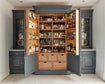
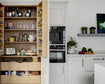
Modern larder cupboards typically feature internal shelving, pull-out baskets, drawers, spice racks, and door-mounted storage systems. When closed, they create a seamless, uncluttered look; when opened, they reveal highly organised storage zones tailored to individual needs.
Why larder cupboards have become essential in UK kitchens
UK kitchens face unique challenges: smaller average room sizes, limited pantry space, and a growing demand for organised storage that supports busy lifestyles. Larder cupboards address these challenges more effectively than almost any other storage solution.
One of the main reasons larder cupboards have surged in popularity is their ability to consolidate storage. Instead of spreading food and essentials across multiple cupboards, everything can be centralised in one or two tall units. This reduces clutter, improves accessibility, and makes meal planning and grocery management far more efficient.
Another key factor is aesthetics. Larder cupboards contribute to a clean, streamlined kitchen design. With doors closed, visual noise is reduced, creating a calm and cohesive environment that aligns with modern design preferences in the UK.
The practical benefits of larder cupboards
Improved organisation
One of the standout benefits of larder cupboards is the level of organisation they provide. Adjustable shelving allows you to customise heights for different items, while internal drawers and baskets prevent smaller items from getting lost at the back. Many homeowners find that a well-organised larder cupboard significantly reduces food waste, as items are more visible and accessible.
Efficient use of vertical space
UK homes often have limited floor space, especially in urban areas. Larder cupboards make full use of vertical height, turning unused air space into valuable storage. This is particularly beneficial in kitchens where adding more base units would compromise movement or layout.
Enhanced food preservation
Storing food in a dedicated larder cupboard helps protect it from heat, moisture, and light, all of which can affect shelf life. When positioned away from ovens and dishwashers, larder cupboards create a more stable environment for dry goods, helping them stay fresher for longer.
Reduced kitchen clutter
By housing bulk items, small appliances, and less frequently used cookware inside a larder cupboard, worktops remain clear. This not only improves aesthetics but also creates more functional space for food preparation and daily use.
Versatility beyond food storage
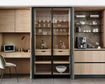
Modern larder cupboards are not limited to food. Many UK households use them as appliance garages, storing toasters, mixers, air fryers, and coffee machines. Others incorporate cleaning supplies, pet food, or household essentials, making larder cupboards one of the most versatile storage solutions available.
Types of larder cupboards
Single larder cupboards
Single larder cupboards are tall, narrow units that fit easily into most kitchen layouts. They are ideal for smaller kitchens or households that want dedicated food storage without sacrificing too much space. Despite their compact footprint, single larder cupboards can hold an impressive amount when well organised.
Double larder cupboards
Double larder cupboards consist of two tall units placed side by side, often creating a full-height pantry effect. These are perfect for larger kitchens or families that require extensive storage. Double larder cupboards can be configured symmetrically or with different internal layouts to separate food, appliances, and household items.
Pull-out larder cupboards
Pull-out larder cupboards feature sliding mechanisms that allow shelves or baskets to extend fully when opened. This design offers excellent visibility and accessibility, making it easy to reach items at the back. Pull-out larder cupboards are particularly useful in narrower spaces or where door clearance is limited.
Corner larder cupboards
Corner larder cupboards are designed to maximise awkward corner spaces that are often underutilised. With rotating shelves or pull-out systems, these cupboards transform difficult areas into highly functional storage zones.
Integrated larder cupboards
Integrated larder cupboards blend seamlessly with surrounding cabinetry, using matching doors and finishes. This creates a cohesive look, especially in modern or minimalist kitchens, while still delivering the full functionality of a dedicated larder.
Choosing the right size for larder cupboards
Selecting the correct size is essential to ensure larder cupboards enhance rather than overwhelm your kitchen. In UK homes, ceiling heights and room proportions vary significantly, so careful measurement is key.
Standard larder cupboards typically range from 1800mm to 2200mm in height, though bespoke options can extend higher. Widths commonly range from 300mm to 600mm per unit, with depth usually matching standard base units.
When choosing size, consider not only the available space but also your household’s storage needs. A smaller household may find a single 300mm or 400mm larder cupboard sufficient, while larger families may benefit from double units or wider configurations.
Internal layouts and smart storage solutions
Shelving configurations
Adjustable shelving is essential for flexibility. Being able to change shelf heights allows you to adapt storage as needs change, accommodating everything from cereal boxes to bulk jars and bottles.
Drawers and baskets
Internal drawers and wire baskets improve visibility and prevent items from being hidden. They are particularly useful for snacks, tins, and packets that can otherwise become disorganised.
Door-mounted storage
Many larder cupboards feature storage on the inside of the doors, such as spice racks or slim shelves. This maximises every inch of space and keeps frequently used items within easy reach.
Dedicated zones
Creating zones within larder cupboards enhances efficiency. For example, allocating separate areas for breakfast items, baking supplies, tinned goods, and snacks makes it easier to find what you need and maintain order.
Placement of larder cupboards in the kitchen
Positioning larder cupboards correctly is crucial for both functionality and workflow. Ideally, they should be located near food preparation areas but away from heat sources such as ovens and hobs.
In galley kitchens, larder cupboards often work best at one end, providing a visual anchor. In open-plan layouts, they can be integrated into a run of tall units, creating a clean, architectural look.
For kitchens with limited wall space, incorporating larder cupboards near the entrance can help keep food storage accessible without disrupting the main cooking zone.
Design styles and finishes
Modern minimalist
In contemporary UK kitchens, larder cupboards often feature flat-front doors, handleless designs, and neutral finishes. This creates a sleek, understated look that blends seamlessly with modern interiors.
Traditional and shaker styles
For period properties or classic kitchens, larder cupboards with framed doors and softer finishes offer timeless appeal. These styles retain the charm of traditional pantries while incorporating modern storage solutions.
Colour choices
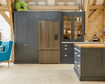
While white and neutral tones remain popular, many homeowners are opting for darker or bolder colours to make larder cupboards a focal point. Deep blues, greens, and greys can add depth and character without overwhelming the space.
Materials and durability
Larder cupboards are long-term investments, so material quality matters. Sturdy carcasses, durable shelving, and robust hinges ensure cupboards can handle the weight of stored items over time.
In the UK climate, materials that resist moisture and temperature fluctuations are particularly important. Quality finishes also make cleaning easier, helping maintain hygiene and appearance.
Larder cupboards and sustainability
Sustainability is an increasingly important consideration for UK homeowners. Larder cupboards support more sustainable living by encouraging bulk buying, reducing packaging waste, and helping households manage food more efficiently.
By making food visible and accessible, larder cupboards reduce the likelihood of forgotten items expiring. This leads to less food waste and more mindful consumption. Additionally, storing reusable containers and jars within a larder cupboard promotes a more organised and eco-conscious kitchen.
Maintenance and organisation tips
To keep larder cupboards functioning optimally, regular maintenance and organisation are essential. Periodically reviewing contents, checking expiry dates, and reorganising shelves helps maintain order.
Using clear containers, labels, and storage baskets can further enhance visibility and efficiency. Cleaning shelves and door interiors ensures hygiene and prevents build-up of crumbs or spills.
Common mistakes to avoid
Overfilling shelves
While larder cupboards offer ample storage, overloading shelves can make access difficult and strain fittings. Balancing capacity with accessibility is key.
Poor placement
Positioning larder cupboards too close to heat sources or in awkward locations can reduce their effectiveness. Thoughtful planning ensures they support, rather than hinder, kitchen workflow.
Ignoring internal design
Focusing solely on external appearance without considering internal layout can lead to inefficient storage. Customising interiors to suit your needs is just as important as choosing the right finish.
The long-term value of larder cupboards
Larder cupboards add both functional and perceived value to a home. For potential buyers, a well-designed kitchen with ample storage is a major selling point. Larder cupboards signal thoughtful planning and quality, making kitchens more attractive and practical.
Beyond resale value, the day-to-day benefits of improved organisation, reduced clutter, and smoother routines contribute to a better living experience. Many homeowners find that once they have a larder cupboard, they cannot imagine a kitchen without one.
Conclusion
Larder cupboards have evolved from simple food storage units into essential components of modern UK kitchens. They offer unmatched organisation, efficient use of space, and versatile storage solutions that adapt to changing lifestyles. Whether integrated seamlessly into contemporary designs or styled to complement traditional interiors, larder cupboards provide practical benefits that extend far beyond aesthetics.
By understanding the different types, sizes, layouts, and placement options, homeowners can choose larder cupboards that truly enhance their kitchens. With thoughtful planning and quality materials, larder cupboards become quiet powerhouses, supporting daily routines, reducing waste, and creating calmer, more functional living spaces.
For UK households seeking smarter storage and long-term value, larder cupboards are not just a trend but a timeless investment in how the kitchen works and feels every single day.