- No products in the cart.




KITCHEN STORAGE CUPBOARDS: THE QUIET ARCHITECTURE OF A CALMER, SMARTER UK KITCHEN

06
Feb
A kitchen is more than a place to cook. In most UK homes, it is where mornings begin, evenings unwind, conversations happen, and routines are shaped. Yet many kitchens quietly fail at one crucial job: storing everyday items in a way that feels effortless, logical, and calm. This is where kitchen storage cupboards stop being an afterthought and become the backbone of a truly functional space.
Kitchen storage cupboards determine how easily you move, how quickly you cook, and how relaxed the room feels. Poor storage leads to cluttered worktops, wasted time, and constant frustration. Well-planned storage creates flow, order, and a sense that the kitchen is working with you rather than against you.
This guide explores kitchen storage cupboards in depth, from layouts and internal configurations to materials, sizing, and long-term practicality. Written for UK homes, it focuses on real-world usage rather than showroom ideals, helping you make informed decisions that last for years.
Understanding the role of kitchen storage cupboards in modern UK homes
UK kitchens are often smaller than those in many other countries, particularly in period properties, terraces, and apartments. Space efficiency is not optional; it is essential. Kitchen storage cupboards must work harder, storing more without overwhelming the room.
In practical terms, storage cupboards serve three main roles. First, they hide clutter, keeping everyday items accessible but out of sight. Second, they organise belongings so tasks feel intuitive rather than chaotic. Third, they influence the visual balance of the kitchen, shaping how open or enclosed the space feels.
The best kitchen storage cupboards achieve all three without drawing attention to themselves. They feel obvious once installed, as if the kitchen was always meant to work that way.
Different types of kitchen storage cupboards and how they are used
Kitchen storage cupboards are not one-size-fits-all. Each type serves a different function, and understanding these roles helps prevent costly mistakes.
Base storage cupboards sit below worktops and typically house heavier items such as pans, small appliances, and cleaning supplies. Their depth makes them ideal for bulkier objects, but without internal organisation they can quickly become difficult to use. Deep base cupboards benefit from pull-out systems, internal drawers, or tiered shelving to prevent items being lost at the back.
Wall-mounted storage cupboards are essential for maximising vertical space, particularly in compact kitchens. These cupboards often store plates, glasses, and dry goods. Their height should be carefully considered, balancing storage capacity with ease of access. In UK homes, ceiling height varies significantly, so wall cupboard proportions matter more than many people realise.
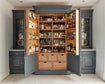
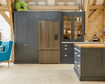
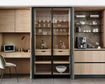
Tall storage cupboards provide vertical storage from floor to near ceiling. They are often used as pantry-style units, housing food, appliances, or a combination of both. In smaller kitchens, a single tall cupboard can replace multiple wall units, creating a cleaner visual line while increasing capacity.
Corner storage cupboards address one of the most challenging areas in kitchen design. Without proper solutions, corner cupboards waste space and become awkward to use. Internal mechanisms such as rotating shelves or pull-out trays transform these cupboards into some of the most useful in the kitchen.
Choosing the right kitchen storage cupboards for your layout
Every kitchen layout places different demands on storage. Understanding how cupboards interact with movement and workflow is key.
Galley kitchens rely heavily on efficient storage cupboards because worktop space is limited. Here, tall cupboards and well-organised base units are particularly valuable. Storage should be evenly distributed to avoid congestion in one area.
L-shaped kitchens offer more flexibility but require careful corner planning. The junction between runs should not become a dead zone. Thoughtfully designed corner cupboards ensure the layout remains practical rather than frustrating.
U-shaped kitchens provide generous storage opportunities but can feel enclosed if cupboards dominate the space. Balancing wall cupboards with open areas or taller units on one side helps maintain a sense of openness.
Open-plan kitchens must consider sightlines from adjoining spaces. Storage cupboards should look as good closed as they function open. Clean lines, consistent heights, and uncluttered surfaces matter more here than in enclosed kitchens.
Internal storage solutions that transform kitchen storage cupboards
The exterior of kitchen storage cupboards often gets the most attention, but it is the internal layout that determines daily satisfaction.
Adjustable shelving allows cupboards to adapt as needs change. This flexibility is particularly important in family homes, where storage requirements evolve over time.
Internal drawers within base cupboards improve visibility and accessibility. Rather than stacking items vertically, drawers bring contents forward, reducing bending and searching.
Pull-out larder systems turn tall cupboards into highly efficient storage zones. Shelves extend fully, making it easy to see and reach everything inside. For many UK households, this is the most effective way to store dry food.
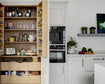
Divider systems for cutlery, spices, and utensils prevent cupboards from becoming chaotic. Small items deserve as much consideration as large ones, as they are used most frequently.
Materials and finishes for kitchen storage cupboards in the UK climate
The UK climate, with its humidity fluctuations and temperature changes, places specific demands on kitchen materials. Kitchen storage cupboards must withstand daily use, moisture, and heat without warping or degrading.
Engineered wood materials are commonly used for cupboard carcasses due to their stability. When properly sealed, they resist moisture and maintain their shape over time.
Solid wood finishes offer warmth and character but require careful sealing and maintenance. In kitchens prone to steam and condensation, quality construction is essential to prevent movement.
Painted finishes are popular in UK homes, offering versatility and the ability to refresh the look over time. High-quality paint systems resist chipping and staining, which is crucial in high-traffic kitchens.
Laminate and foil finishes provide durability and ease of cleaning. These materials suit busy households where practicality is a priority, though quality varies significantly between manufacturers.
Sizing and proportions: why kitchen storage cupboards must feel balanced
Storage capacity alone does not define success. Kitchen storage cupboards must feel proportionate to the room.
Oversized cupboards in a small kitchen can make the space feel cramped, while undersized storage in a large kitchen leads to cluttered worktops. The goal is balance.
Ceiling height plays a major role. Full-height cupboards maximise storage but can feel imposing if not carefully designed. Breaking up vertical lines or mixing cupboard heights can soften the effect.
Depth is equally important. Standard-depth cupboards may not suit narrow kitchens, where reduced-depth options preserve walkway space without sacrificing usability.
Door styles also influence perception. Flat-fronted cupboards create a streamlined look, while framed designs add texture but may feel heavier in tight spaces.
Planning kitchen storage cupboards around real-life habits
The most effective kitchen storage cupboards are planned around how the household actually lives, not how kitchens look in photographs.
Daily-use items should be stored between waist and eye level. Rarely used items can occupy higher or lower cupboards. This simple principle improves comfort and efficiency.
Cooking habits matter. A home that cooks from scratch benefits from generous pantry storage and accessible cookware cupboards. A household that relies more on appliances may prioritise storage for gadgets instead.
Family dynamics also influence storage needs. Children require lower storage for everyday items, while pet owners may need dedicated cupboard space for food and accessories.
Thinking through a typical day in the kitchen reveals where storage cupboards will be most useful and where space can be saved.
Common mistakes to avoid when choosing kitchen storage cupboards
Many issues arise not from poor-quality cupboards but from poor planning.
One common mistake is underestimating storage needs. It is easier to plan excess storage than to add it later, particularly in fitted kitchens.
Another is ignoring internal organisation. Empty cupboards look spacious initially but quickly become inefficient without internal systems.
Placing cupboards without considering door clearance can create awkward bottlenecks, especially near appliances or walkways.
Finally, focusing solely on appearance at the expense of practicality often leads to regret. Kitchen storage cupboards must serve daily life first and aesthetics second.
Long-term value and durability of quality kitchen storage cupboards
Kitchen storage cupboards are a long-term investment. Unlike decorative elements, they are difficult and costly to replace.
Durability depends on construction quality, materials, and installation. Well-built cupboards maintain alignment, operate smoothly, and resist wear over time.
Good storage also adds value to a property. Buyers notice functional kitchens, even if they cannot immediately articulate why one feels better than another.
In rental properties, durable cupboards reduce maintenance issues and improve tenant satisfaction, making them a practical financial choice.
Maintaining and caring for kitchen storage cupboards
Proper care extends the life of kitchen storage cupboards significantly.
Regular cleaning prevents grease and moisture buildup, particularly around handles and edges. Using appropriate cleaning products protects finishes from damage.
Checking hinges and runners periodically ensures doors and drawers remain aligned and smooth. Small adjustments prevent long-term wear.
Avoiding overloading shelves preserves structural integrity. Even strong cupboards have weight limits that should be respected.
With basic maintenance, quality kitchen storage cupboards can perform well for decades.
Conclusion: why kitchen storage cupboards define how a kitchen feels
Kitchen storage cupboards rarely steal the spotlight, yet they quietly determine how enjoyable a kitchen is to use. They shape routines, influence organisation, and set the tone for the entire space.
In UK homes, where space efficiency and practicality matter deeply, thoughtful cupboard design is not a luxury. It is essential. By choosing the right types, planning layouts carefully, and focusing on internal organisation as much as external appearance, kitchen storage cupboards become powerful tools for creating calmer, more functional homes.
When storage works, the kitchen feels easier. When the kitchen feels easier, daily life improves in subtle but meaningful ways. That is the true value of well-designed kitchen storage cupboards.