- No products in the cart.




LARDER CUPBOARDS REIMAGINED: THE QUIET ARCHITECTURE OF A BETTER UK KITCHEN

17
Feb
Introduction: why larder cupboards are having a moment
Across the UK, kitchens are being asked to do more. They are no longer just places to cook; they are workspaces, family hubs, storage centres, and design statements rolled into one. As homes adapt to modern living, storage has become one of the most valuable assets in any kitchen. This is where larder cupboards step confidently into the spotlight.
Larder cupboards are not a trend that will fade with the seasons. They are a practical response to real-life needs: organised food storage, reduced clutter, better visibility, and a calmer cooking environment. Whether you live in a compact city flat, a Victorian terrace, or a spacious countryside home, larder cupboards offer a solution that is both functional and timeless.
This guide is designed for UK homeowners who want clarity. What exactly are larder cupboards? How do you choose the right one? Where should it go? What internal features actually matter? And how can you make sure your choice adds long-term value to your home? By the end of this article, you will understand not only why larder cupboards are so popular, but how to select and use them in a way that genuinely improves daily life.
What are larder cupboards and why they matter
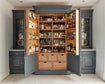
Larder cupboards are tall storage units designed specifically for food, dry goods, and kitchen essentials. Unlike standard base units or wall cupboards, larder cupboards extend vertically, making full use of the available height in your kitchen. This vertical approach is one of their greatest strengths, particularly in UK homes where floor space can be limited.
Historically, a larder was a cool room used to store food before refrigeration was widespread. Modern larder cupboards capture the spirit of that concept while adapting it for contemporary kitchens. Today, they are engineered to keep everything visible, accessible, and organised, from tins and cereals to spices, oils, and small appliances.
What makes larder cupboards especially valuable is their ability to reduce everyday friction. When food is easy to see, it is easier to use what you already have, reduce waste, and plan meals efficiently. Over time, this translates into savings, less stress, and a more enjoyable cooking experience.
The practical benefits of larder cupboards in UK homes
The appeal of larder cupboards goes far beyond aesthetics. Their real value lies in how they improve daily routines.
First, they maximise storage without increasing the kitchen footprint. In many UK properties, especially older homes, expanding the kitchen is not an option. Larder cupboards use height instead of width, turning unused vertical space into highly efficient storage.
Second, they improve organisation. Instead of food being spread across multiple cupboards, everything can be stored in one dedicated zone. This makes it easier to keep track of what you have, avoid duplicates, and maintain order.
Third, larder cupboards support healthier and more sustainable habits. When ingredients are visible and accessible, people are more likely to cook from scratch and waste less food. This is particularly relevant in the UK, where reducing household food waste has become an increasing priority.
Finally, larder cupboards add perceived value to a home. Well-designed storage is a major selling point, and many buyers now actively look for kitchens with dedicated pantry-style solutions.
Different types of larder cupboards explained
Not all larder cupboards are the same. Understanding the main types will help you choose one that suits your space, lifestyle, and cooking habits.
Full-height larder cupboards
These are tall units that run from floor level to near ceiling height. They offer the maximum amount of storage and are ideal for larger kitchens or homes where bulk buying is common. Full-height larder cupboards can house everything from dry goods to small appliances and cleaning supplies, depending on how they are configured internally.
Mid-height larder cupboards
Mid-height larder cupboards typically sit at eye level with additional storage either above or below. They are a good compromise for kitchens with limited ceiling height or where a lighter visual appearance is preferred.
Pull-out larder cupboards
Pull-out larder cupboards feature internal shelving that slides out when the door is opened. This design allows full visibility of contents from both sides and is especially useful in narrow spaces. In compact UK kitchens, pull-out larder cupboards can provide impressive storage without overwhelming the room.
Integrated larder cupboards
Integrated larder cupboards are designed to blend seamlessly with the rest of the kitchen cabinetry. When closed, they look like standard tall units, maintaining a clean and cohesive design.
Freestanding larder cupboards
Although less common in fitted kitchens, freestanding larder cupboards can work well in utility areas, large kitchens, or period homes where fitted units are not practical. They offer flexibility and can be repositioned if needed.
Choosing the right size and layout
Selecting the right larder cupboards starts with an honest assessment of your kitchen and your habits.
Measure carefully. Ceiling height, door swing clearance, and walkway space all matter. In UK kitchens, where space is often at a premium, even a few centimetres can make a difference.
Think about how you shop and cook. If you buy in bulk or store a wide variety of ingredients, deeper shelves and greater height will be beneficial. If your needs are simpler, a narrower unit may be sufficient.
Consider placement. Larder cupboards work best when located near food preparation areas but away from heat sources such as ovens or hobs. This helps preserve food quality and makes cooking more efficient.
Finally, think vertically. Adjustable shelves allow the internal layout to evolve with your needs, which is especially important for long-term satisfaction.
Internal features that make larder cupboards work harder
The interior design of larder cupboards is just as important as their external appearance. Thoughtful internal features can dramatically improve usability.
Adjustable shelving
Shelves that can be repositioned allow you to customise the layout for different items, from tall bottles to small jars. This flexibility is essential in a space designed to store a wide variety of goods.
Wire baskets and trays
Pull-out baskets improve visibility and airflow, making them ideal for fruit, vegetables, or frequently used items. They also reduce the risk of items being forgotten at the back.
Door-mounted storage
Using the inside of the door for slim shelves or racks adds extra storage without taking up internal space. This is perfect for spices, oils, or small jars.
Soft-close mechanisms
Soft-close hinges and runners reduce noise, prevent wear and tear, and add a sense of quality. Over time, these small details contribute to a more pleasant kitchen experience.
Lighting
Integrated lighting inside larder cupboards can make a surprising difference, particularly in deeper units. Good visibility helps maintain organisation and reduces frustration.
Materials and finishes: balancing durability and style
Larder cupboards must withstand daily use, so material choice matters.
Carcass construction should be robust and moisture-resistant. This ensures longevity, particularly in busy family kitchens.
Shelving materials should be easy to clean and strong enough to support weight. Solid shelves provide stability, while wire options improve airflow.
Externally, finishes should complement the rest of the kitchen. In UK homes, neutral tones remain popular for their timeless appeal, but textured finishes and subtle colours can also work well.
The key is balance. Larder cupboards should enhance the kitchen visually without becoming a distraction. When well integrated, they feel like a natural extension of the space.
Larder cupboards and small UK kitchens
One of the most common misconceptions is that larder cupboards are only suitable for large kitchens. In reality, they can be transformative in smaller spaces.
In compact kitchens, a single tall larder cupboard can replace several smaller cupboards, simplifying the layout and reducing visual clutter. By consolidating storage, the kitchen feels more open and easier to navigate.
Pull-out larder cupboards are particularly effective in narrow gaps that would otherwise be wasted. They turn awkward spaces into highly functional storage zones.
For flats and terraces, larder cupboards can also double as storage for cleaning supplies or appliances, freeing up valuable base units for cookware.
Larder cupboards in open-plan living
Open-plan kitchens are common in modern UK homes, but they present unique storage challenges. Everything is on display, and clutter can quickly disrupt the overall look.
Larder cupboards offer a solution by hiding food and essentials behind closed doors. This helps maintain a clean, cohesive appearance across the living space.
In open-plan layouts, integrated larder cupboards work especially well. When designed to match surrounding cabinetry, they blend into the background while delivering substantial storage capacity.
Organisation strategies for larder cupboards
Even the best larder cupboards need a thoughtful approach to organisation to reach their full potential.
Group similar items together. Keep baking supplies in one area, breakfast foods in another, and cooking essentials within easy reach.
Use clear containers where possible. This improves visibility and helps track quantities at a glance.
Label shelves or containers subtly. This encourages everyone in the household to return items to the right place.
Review contents regularly. A quick monthly check prevents overcrowding and reduces waste.
These habits ensure that larder cupboards remain functional and enjoyable to use over time.
Maintenance and long-term care
Larder cupboards are low maintenance, but a few simple practices will keep them in top condition.
Wipe shelves regularly to prevent spills from becoming sticky or attracting pests.
Avoid overloading shelves beyond their recommended capacity. Even well-built units have limits.
Ensure good airflow, particularly if storing fresh produce. This helps maintain food quality and prevents odours.
With basic care, quality larder cupboards can last for decades, making them a sound long-term investment.
Sustainability and smarter living
Larder cupboards can support more sustainable lifestyles, which is increasingly important for UK households.
By improving visibility and organisation, they reduce the likelihood of forgotten food and unnecessary waste.
They also encourage mindful shopping and meal planning, helping households buy only what they need.
When designed with durable materials and flexible interiors, larder cupboards adapt to changing needs, reducing the need for future replacements.
Cost considerations and value
The cost of larder cupboards varies depending on size, materials, and internal features. However, it is important to consider value rather than just price.
A well-designed larder cupboard can replace multiple smaller units, potentially reducing overall cabinetry costs.
It can also increase the appeal of your kitchen, which may positively influence property value.
Over time, the savings from reduced food waste and improved efficiency can offset the initial investment.
Common mistakes to avoid
While larder cupboards are highly beneficial, a few common mistakes can limit their effectiveness.
Choosing the wrong size. Too small, and storage becomes cramped. Too large, and it may dominate the space.
Ignoring internal layout. Without adjustable features, even a tall cupboard can become inefficient.
Poor placement. Positioning larder cupboards too far from prep areas or near heat sources reduces usability.
Overcomplicating design. Simplicity often works best, especially for long-term satisfaction.
Avoiding these pitfalls ensures that your larder cupboards deliver on their promise.
Future-proofing your kitchen with larder cupboards
Kitchens evolve as households change. Larder cupboards are one of the few features that adapt well over time.
As families grow, storage needs increase. As lifestyles shift, the contents of larder cupboards can change without requiring structural alterations.
Their flexibility makes them suitable for a wide range of future scenarios, from busy family life to quieter routines.
Conclusion: why larder cupboards are a smart choice
Larder cupboards represent a thoughtful approach to kitchen design. They are not about excess or luxury, but about making everyday life easier, calmer, and more efficient.
For UK homeowners, they offer a practical solution to common challenges: limited space, clutter, food waste, and the need for flexible storage. Whether installed in a small kitchen or a spacious open-plan layout, larder cupboards deliver consistent benefits.
By choosing the right type, size, and internal features, and by organising them thoughtfully, larder cupboards become more than just storage. They become a quiet but powerful foundation for better living, supporting everything from daily meals to long-term home value.
In a world where kitchens are expected to work harder than ever, larder cupboards stand out as a solution that is both sensible and enduring.