- No products in the cart.




PANTRY CUPBOARDS AND THE MODERN UK HOME: A PRACTICAL GUIDE TO STORAGE, STYLE, AND EVERYDAY FUNCTION

06
Feb
Pantry cupboards have made a strong comeback in UK homes, and it is easy to see why. As kitchens evolve into multi-purpose spaces for cooking, working, entertaining, and family life, the need for practical, well-organised storage has never been greater. Pantry cupboards offer a dedicated solution for food storage, kitchen essentials, and household organisation, all while enhancing the overall look and usability of the kitchen.
This guide is designed to give you a complete, practical understanding of pantry cupboards. Whether you are renovating a kitchen, moving into a new home, or simply looking to improve your storage setup, this article will walk you through everything you need to know. From layouts and sizes to internal configurations, materials, and everyday usability, this is a detailed resource tailored specifically for UK homes and lifestyles.
WHAT ARE PANTRY CUPBOARDS AND WHY ARE THEY SO POPULAR?
Pantry cupboards are tall or full-height kitchen storage units designed to store dry food, cooking ingredients, small appliances, and household items in one organised space. Unlike standard wall or base cabinets, pantry cupboards provide vertical storage, making them ideal for maximising capacity without increasing the kitchen footprint.
In the UK, pantry cupboards have become increasingly popular for several reasons. Homes are often compact, especially in urban areas, and efficient use of space is essential. At the same time, more people are cooking at home, buying groceries in bulk, and looking for ways to reduce clutter on worktops.
A well-designed pantry cupboard allows you to keep food visible, accessible, and neatly arranged. This not only saves time during meal preparation but also helps reduce food waste, as you can clearly see what you already have.
THE DIFFERENCE BETWEEN PANTRY CUPBOARDS AND OTHER KITCHEN STORAGE
It is important to understand how pantry cupboards differ from other common kitchen storage options. Traditional kitchen cabinets are usually divided into wall units and base units. While these are useful for everyday items, they can quickly become overcrowded and difficult to organise, particularly for dry goods and bulk items.
Pantry cupboards, by contrast, are designed with storage efficiency in mind. They often feature internal shelving, pull-out baskets, drawers, or door-mounted racks that allow every inch of space to be used effectively. This makes them particularly suitable for storing tins, jars, cereals, spices, baking supplies, and snacks.
Another key difference is accessibility. With a pantry cupboard, items are typically stored at eye level or within easy reach, reducing the need to bend or rummage through deep cupboards. This is especially valuable for busy households or anyone looking to improve kitchen ergonomics.
TYPES OF PANTRY CUPBOARDS FOR UK HOMES
There is no one-size-fits-all approach when it comes to pantry cupboards. The best option depends on your kitchen layout, available space, and how you use your kitchen day to day.
Freestanding pantry cupboards are a popular choice for period properties and country-style kitchens. These units resemble traditional furniture and can often be placed independently within the kitchen or adjacent rooms. They add character and flexibility, particularly in homes where fitted kitchens are not practical.
Built-in pantry cupboards are more common in modern kitchens. These are integrated seamlessly with other cabinetry, creating a clean and cohesive look. Built-in options can be customised to match your kitchen units and are ideal for maximising space in smaller kitchens.
Pull-out pantry cupboards are a highly practical solution for narrow spaces. These tall, slim units slide out on runners, revealing shelves or baskets on both sides. They are particularly useful in kitchens where floor space is limited but vertical storage is available.
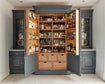
Larder-style pantry cupboards are larger units designed to store a wide range of items, from food to small appliances. These often feature internal drawers, adjustable shelves, and sometimes even dedicated sections for bread or wine. They are ideal for family homes or keen cooks who require substantial storage.
CHOOSING THE RIGHT SIZE AND LAYOUT
When selecting pantry cupboards, size and layout are critical considerations. In UK homes, kitchen dimensions can vary significantly, so it is important to measure carefully and plan accordingly.
Tall pantry cupboards typically range from around 180cm to over 220cm in height. Full-height units make excellent use of vertical space, but it is important to ensure that upper shelves remain accessible. Adjustable shelving is a practical feature, allowing you to customise the layout as your storage needs change.
Width is another key factor. Narrow pantry cupboards can be as slim as 300mm, making them suitable for tight gaps, while wider units offer greater storage capacity but require more space. The right choice depends on your kitchen layout and whether the pantry cupboard will be a central feature or a discreet addition.
Depth should also be considered. Deeper pantry cupboards provide more storage but can make items at the back harder to reach. Pull-out mechanisms or internal drawers can help solve this issue by bringing contents forward when opened.
INTERNAL CONFIGURATIONS THAT MAKE A DIFFERENCE
The internal design of pantry cupboards plays a major role in how functional they are. A well-planned interior can transform the way you use your kitchen.
Adjustable shelves are one of the most versatile features. They allow you to store items of varying heights, from tall bottles to small jars. This flexibility is particularly useful in households where shopping habits change over time.
Pull-out baskets or drawers are excellent for visibility and access. They allow you to see all contents at a glance and prevent items from getting lost at the back of the cupboard. Wire baskets can also improve air circulation, which is helpful for storing certain foods.
Door-mounted storage is another practical option. Shelves or racks attached to the inside of the pantry cupboard door are ideal for spices, oils, or smaller items. This makes use of space that might otherwise be wasted.
Dedicated compartments can further enhance organisation. For example, separate sections for baking supplies, snacks, or breakfast items can make daily routines smoother and more efficient.
MATERIALS AND FINISHES FOR LONG-TERM USE
Pantry cupboards are an investment, so choosing durable materials is essential. In the UK climate, kitchens are often exposed to moisture, temperature changes, and daily wear and tear.
Solid wood and wood-based materials are popular for pantry cupboards due to their strength and classic appearance. They can suit both traditional and contemporary kitchens, depending on the finish.
Painted finishes are common in UK homes and offer a wide range of colour options. Light colours can make smaller kitchens feel more open, while darker shades can add depth and sophistication. It is important to choose a high-quality paint finish that is resistant to chipping and easy to clean.
Laminate and foil finishes are practical alternatives, particularly in busy households. These materials are easy to maintain and resistant to stains, making them suitable for families or rental properties.
Handles and hinges should not be overlooked. Soft-close mechanisms, sturdy hinges, and ergonomic handles all contribute to a better user experience and longer lifespan for your pantry cupboards.
PANTRY CUPBOARDS IN SMALL UK KITCHENS
Many UK homes have compact kitchens, especially in flats, terraces, and older properties. Pantry cupboards can still be an excellent option in these spaces if planned carefully.
Vertical storage is key in smaller kitchens. Tall pantry cupboards allow you to store a large number of items without using additional floor space. Slim pull-out designs are particularly effective in narrow kitchens or awkward gaps.
Integrated pantry cupboards that match existing cabinetry can help maintain a clean, uncluttered look. This visual continuity can make the kitchen feel larger and more cohesive.
Internal organisation is especially important in small spaces. Using clear containers, labelled baskets, and adjustable shelves can help maximise every centimetre of storage and prevent overcrowding.
PANTRY CUPBOARDS FOR FAMILY HOMES
In family households, pantry cupboards often become the central hub for food and kitchen supplies. A well-designed pantry can help streamline daily routines and reduce stress.
Separate zones within the pantry cupboard can be extremely helpful. For example, lower shelves can be dedicated to snacks and lunchbox items that children can access independently, while higher shelves are reserved for baking ingredients or bulk items.
Durability is also important in family homes. Shelves should be sturdy enough to hold heavy items, and finishes should be easy to clean. Soft-close doors and drawers can help prevent slamming and reduce wear over time.
Clear organisation not only saves time but also helps manage grocery shopping. When everything has a place, it becomes easier to see what needs replenishing and avoid overbuying.
MAINTAINING AND ORGANISING PANTRY CUPBOARDS
Once your pantry cupboards are installed, ongoing organisation and maintenance will ensure they remain functional and efficient.
Decanting dry goods into clear, airtight containers can help keep food fresh and reduce clutter from packaging. This also makes it easier to see quantities at a glance.
Regularly checking expiry dates and rotating stock can help reduce food waste. Placing newer items behind older ones is a simple habit that makes a big difference.
Cleaning shelves and baskets periodically will keep your pantry cupboard hygienic and pleasant to use. Choosing materials that are easy to wipe down will make this task quicker and easier.
HOW PANTRY CUPBOARDS ADD VALUE TO YOUR HOME
Well-designed pantry cupboards can enhance both the practicality and appeal of a kitchen. For homeowners, this can translate into added value and improved marketability.
Buyers often look for ample storage when viewing properties, and a thoughtfully planned pantry cupboard can be a strong selling point. It demonstrates efficient use of space and attention to detail, both of which are highly valued in the UK property market.
Even if you are not planning to sell, pantry cupboards can significantly improve day-to-day living. A more organised kitchen saves time, reduces stress, and makes cooking more enjoyable.
COMMON MISTAKES TO AVOID
While pantry cupboards offer many benefits, there are some common mistakes to avoid during planning and installation.
One of the most frequent issues is underestimating storage needs. It is often better to choose a slightly larger pantry cupboard than you think you need, as storage requirements tend to grow over time.
Another mistake is poor internal layout. Without adjustable shelves or pull-out features, even a large pantry cupboard can become difficult to use. Investing in smart internal design will pay off in the long run.
Ignoring accessibility is also a common problem. Ensure that frequently used items are easy to reach and that the pantry cupboard does not obstruct walkways or other kitchen functions.
CONCLUSION: WHY PANTRY CUPBOARDS ARE A SMART CHOICE
Pantry cupboards are more than just a storage solution. They are a practical, flexible, and increasingly essential feature in modern UK kitchens. By offering dedicated space for food and household items, they help keep kitchens organised, efficient, and visually appealing.
Whether you live in a compact city flat or a spacious family home, there is a pantry cupboard design to suit your needs. With careful planning, quality materials, and thoughtful internal organisation, pantry cupboards can transform the way you use your kitchen.
For UK homeowners looking to combine functionality with style, pantry cupboards remain one of the most practical and rewarding additions to any kitchen. By investing in the right design now, you can enjoy a more organised, efficient, and enjoyable kitchen for years to come.