- No products in the cart.




LARDER CUPBOARDS: THE QUIET ARCHITECTURE OF A BETTER-ORGANISED BRITISH KITCHEN

02
Feb
Introduction: Why larder cupboards matter more than ever
In recent years, kitchens across the UK have evolved from purely functional rooms into the true heart of the home. They are places where families gather, meals are prepared, conversations unfold, and daily life is organised. As kitchens have taken on this central role, storage has become one of the most important design considerations. This is where larder cupboards step into the spotlight.
Larder cupboards are no longer just tall cabinets tucked into a corner. They are carefully designed storage systems that bring order, efficiency, and calm to busy households. Whether you live in a period property, a modern new build, or a compact city home, the right larder cupboard can dramatically change how your kitchen works day to day.
This in-depth guide explores everything you need to know about larder cupboards. From their practical benefits and design options to sizing, layouts, materials, and long-term value, this article is written to help UK homeowners make confident, informed decisions.
What are larder cupboards?
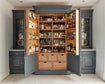
Larder cupboards are tall storage units designed primarily for food storage, though many modern versions are versatile enough to house appliances, cookware, and household essentials. Traditionally inspired by pantry spaces in older homes, today’s larder cupboards combine that classic idea with modern cabinetry and smart internal layouts.
Unlike standard wall or base units, larder cupboards typically run from floor to near-ceiling height. This vertical design maximises storage without taking up additional floor space. Internally, they may include adjustable shelves, drawers, pull-out baskets, spice racks, and door-mounted storage.
In UK kitchens, larder cupboards are particularly valued because they provide structured storage in homes where separate pantries are rare. They offer a practical solution that suits both large family kitchens and more compact layouts.
The practical benefits of larder cupboards
One of the biggest advantages of larder cupboards is visibility. Instead of rummaging through multiple cupboards to find ingredients, everything is stored in one dedicated space. This makes meal preparation faster and reduces food waste, as items are less likely to be forgotten at the back of a shelf.
Larder cupboards also help with organisation. Dry goods, tins, jars, baking supplies, and snacks can all be grouped logically. Many households find that once a larder cupboard is installed, their kitchen becomes noticeably calmer and easier to manage.
Another benefit is efficiency. With a well-organised larder cupboard, weekly food shops can be unpacked quickly, and you can instantly see what needs replenishing. This is particularly helpful for families, busy professionals, and anyone who likes to plan meals in advance.
From a design perspective, larder cupboards create a clean, streamlined look. They reduce visual clutter on worktops by providing a home for items that would otherwise be left out.
Why larder cupboards suit UK homes
UK homes often face unique spatial challenges. Many kitchens are narrower or smaller than those found in other countries, and older properties may have awkward layouts. Larder cupboards are ideal for these environments because they make excellent use of vertical space.
In terraced houses and semi-detached properties, a single tall larder cupboard can replace multiple smaller units, freeing up wall space and improving flow. In open-plan kitchens, larder cupboards help zone the space and keep food storage discreet.
Climate also plays a role. Larder cupboards provide a cool, dry environment for storing food, which is particularly useful in UK homes where temperature and humidity can fluctuate throughout the year.
Different types of larder cupboards
There is no one-size-fits-all approach to larder cupboards. Understanding the different types available will help you choose the best option for your kitchen.
Freestanding larder cupboards
Freestanding larder cupboards are standalone pieces of furniture. They are ideal for kitchens that lack built-in storage or for homeowners who want flexibility. These cupboards can often be moved or repositioned, making them suitable for rented properties or evolving layouts.
Integrated larder cupboards
Integrated larder cupboards are built into the kitchen cabinetry for a seamless look. They often match the rest of the kitchen units and can be designed to blend in or stand out as a feature.
Pull-out larder cupboards
Pull-out larder cupboards use internal mechanisms that allow shelves or baskets to slide out smoothly. This type maximises accessibility, especially in narrow spaces, and ensures nothing is hidden at the back.
Double-door larder cupboards
These are wider units with two doors that open to reveal extensive shelving. They are popular in larger kitchens and are ideal for households that store a high volume of food and kitchen supplies.
Choosing the right size and layout
Selecting the right size larder cupboard is crucial. Too small, and it will not meet your storage needs. Too large, and it may overwhelm the kitchen.
Start by assessing how much dry food and kitchen stock your household uses on a weekly and monthly basis. Families or keen home cooks may benefit from wider or multiple larder cupboards, while smaller households may find a slim, tall unit sufficient.
Height is another consideration. Full-height larder cupboards maximise storage but may require step stools for upper shelves. Adjustable shelving is essential to ensure flexibility as your storage needs change.
The internal layout should reflect how you use your kitchen. Frequently used items should be stored at eye level, while bulk items can be placed lower down. Consider drawers for smaller items and deeper shelves for appliances or large containers.
Materials and finishes for larder cupboards
The material and finish of your larder cupboard will influence both its durability and its visual impact.
Wood and wood-effect finishes
Wood remains a popular choice in UK kitchens due to its warmth and versatility. Solid wood or wood-effect finishes suit traditional, country, and transitional styles. They age well and can often be refinished if tastes change.
Painted finishes
Painted larder cupboards are common in modern and classic kitchens alike. Neutral shades create a timeless look, while darker colours add drama and depth. Painted finishes can be updated more easily than many other materials.
Laminate and modern materials
For a sleek, contemporary appearance, laminate and modern composite materials offer durability and ease of maintenance. These finishes are resistant to moisture and stains, making them practical for busy kitchens.
Internal materials
Do not overlook the interior. Durable shelf surfaces, easy-clean finishes, and sturdy fixings ensure your larder cupboard remains functional over time.
Larder cupboards and kitchen design styles
Larder cupboards are remarkably adaptable and can complement almost any kitchen style.
Traditional kitchens
In traditional settings, larder cupboards often resemble classic pantry furniture. Framed doors, subtle detailing, and warm finishes help create a sense of heritage and comfort.
Shaker kitchens
Shaker-style kitchens pair particularly well with larder cupboards. Their clean lines and understated design allow the cupboard to feel both practical and elegant.
Modern kitchens
In contemporary kitchens, larder cupboards are often integrated seamlessly into cabinetry. Handle-less designs and smooth finishes create a minimalist look while retaining full functionality.
Country and farmhouse kitchens
Larder cupboards are a natural fit in country-style kitchens. They reinforce the idea of generous storage and homely practicality, often becoming a focal point of the room.
Organising larder cupboards effectively
A larder cupboard is only as good as its organisation. Thoughtful arrangement ensures it remains efficient and enjoyable to use.
Use clear containers to store dry goods such as pasta, rice, and cereals. This improves visibility and helps keep food fresh. Label containers clearly to avoid confusion.
Group items by category. Baking supplies, snacks, tins, and condiments should each have their own designated areas. This makes it easier for everyone in the household to find and return items.
Rotate stock regularly. Place newer items behind older ones to reduce waste. Adjustable shelves make it easier to accommodate different packaging sizes.
Consider adding internal lighting. Even subtle lighting can transform how usable your larder cupboard feels, particularly in deeper units.
Larder cupboards and modern lifestyles
Today’s lifestyles place new demands on kitchens. Larder cupboards have evolved to meet these needs.
Many households now buy groceries in bulk or online. Larder cupboards provide the space needed to store larger quantities efficiently. They also support healthier eating by making ingredients visible and accessible.
For those working from home, a well-organised kitchen reduces daily stress. Knowing exactly where everything is saves time and mental energy.
Larder cupboards can also support sustainability. Better organisation leads to less food waste, and durable cupboards reduce the need for frequent replacements.
Installation considerations
Before installing larder cupboards, consider the practical aspects carefully.
Check floor and wall levels, particularly in older UK homes where surfaces may not be perfectly straight. Professional installation can help ensure doors align correctly and shelves are secure.
Ventilation is important. While larder cupboards are designed for dry goods, good airflow prevents moisture build-up.
Electrical points may be required if you plan to store small appliances or add internal lighting. Planning this in advance avoids complications later.
Maintenance and long-term care
Larder cupboards are a long-term investment, so proper care is essential.
Clean shelves regularly to prevent spills from becoming sticky or attracting pests. Use gentle cleaning products to protect finishes.
Inspect hinges and runners periodically. Tightening fixings and lubricating moving parts will extend the life of your cupboard.
Avoid overloading shelves beyond their recommended weight limits. Distribute heavier items evenly to prevent sagging.
If your larder cupboard has a painted or wood finish, occasional touch-ups or refinishing can keep it looking fresh for years.
The value larder cupboards add to your home
Well-designed storage is a major selling point in UK homes. Larder cupboards are often seen as a premium feature, particularly in family kitchens.
They signal thoughtful design and practical living. For potential buyers, a spacious, organised kitchen suggests a home that is easy to live in and maintain.
While the primary benefit of larder cupboards is daily convenience, they can also contribute positively to property value and appeal.
Common mistakes to avoid
When choosing larder cupboards, certain mistakes can limit their effectiveness.
Ignoring internal layout is a common error. A tall cupboard without thoughtful shelving can quickly become chaotic.
Choosing style over function can also be problematic. While aesthetics matter, accessibility and durability should come first.
Failing to plan for future needs may lead to regret. Consider how your household might change over time and choose flexible designs where possible.
Underestimating the importance of professional advice can result in poor fit or wasted space. Even simple guidance can make a significant difference.
Larder cupboards compared to other storage solutions
While wall units and base cupboards are essential, they often lack the depth and organisation of larder cupboards.
Drawers offer excellent accessibility but are limited in height. Corner units can be awkward and may not fully utilise space. Larder cupboards, by contrast, provide a centralised solution that combines capacity with clarity.
Many homeowners find that adding even one larder cupboard reduces the need for additional storage elsewhere in the kitchen.
Future trends in larder cupboards
As kitchens continue to evolve, larder cupboards are becoming more sophisticated.
Modular interiors allow homeowners to reconfigure storage as needs change. Sustainable materials and finishes are increasingly popular. Soft-close mechanisms and integrated lighting are now expected rather than optional extras.
There is also a growing emphasis on blending larder cupboards seamlessly into kitchen architecture, creating storage that feels intentional rather than added on.
Conclusion: investing in better kitchen living
Larder cupboards are far more than a storage trend. They represent a shift towards more organised, efficient, and enjoyable kitchens that suit modern UK lifestyles.
By making better use of vertical space, improving visibility, and supporting thoughtful organisation, larder cupboards help transform how kitchens function every day. Whether you are renovating a full kitchen or simply looking to improve storage, they offer a practical solution with lasting benefits.
Choosing the right larder cupboard requires careful consideration of size, layout, materials, and style. When selected and organised well, it becomes one of the most valuable and appreciated elements of the kitchen.
For UK homeowners seeking calm, order, and efficiency in their kitchens, larder cupboards are not just an option. They are a smart, future-proof investment in better living