- No products in the cart.




THE HIDDEN ARCHITECTURE OF ORDER: A BRITISH HOMEOWNER’S COMPLETE GUIDE TO KITCHEN STORAGE CUPBOARDS THAT TRANSFORM SPACE INTO SANCTUARY

28
Feb
A well-organised kitchen is more than a place to cook. It is where mornings begin, where family routines unfold, and where everyday life quietly takes shape. In homes across the UK, the kitchen has become the true heart of the house. Yet no matter the size of the property, from a London flat to a detached home in the countryside, one challenge remains constant: how to maximise space without compromising style.
This is where kitchen storage cupboards play a crucial role.
Whether you are renovating, extending, or simply rethinking your layout, choosing the right kitchen storage cupboards can dramatically improve functionality, visual appeal, and long-term value. In this comprehensive guide, we will explore everything UK homeowners need to know — from types and layouts to materials, finishes, organisation strategies, and buying considerations.
If you are planning to invest in kitchen storage cupboards, this guide will help you make a confident, informed decision.
Why Kitchen Storage Cupboards Matter in Modern UK Homes
Space is at a premium in many British properties. Victorian terraces, new-build developments, converted flats and rural cottages all present unique spatial constraints. Efficient storage is not a luxury; it is essential.
Kitchen storage cupboards provide:
• Concealed organisation for food, cookware, and cleaning supplies
• A clutter-free visual environment
• Improved workflow between cooking zones
• Protection for items from moisture and dust
• Increased property appeal for future buyers
Poor storage leads to cluttered worktops, difficult meal preparation, and wasted time searching for everyday items. Well-designed kitchen storage cupboards solve these problems by using vertical and hidden space intelligently.
Types of Kitchen Storage Cupboards
Understanding the different types available is the first step toward building a functional kitchen layout.
Base Kitchen Storage Cupboards
Base cupboards sit beneath the worktop and form the backbone of most kitchens. They typically store heavier items such as pans, small appliances, or food containers.
Options include:
• Standard hinged door cupboards
• Drawer-based base units
• Pull-out basket systems
• Corner carousel units
In smaller UK kitchens, deep drawer systems often outperform traditional cupboards because they provide better visibility and easier access.
Wall-Mounted Kitchen Storage Cupboards
Wall cupboards maximise vertical space and are especially useful in compact kitchens. They are ideal for storing glasses, dry goods, spices, and lighter items.
When installed correctly, wall units draw the eye upward and create a sense of height. In homes with lower ceilings, selecting slimmer wall cupboards can prevent the room from feeling crowded.
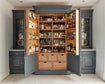
Tall Kitchen Storage Cupboards
Tall cupboards, sometimes referred to as larder or pantry units, offer substantial vertical storage. These are perfect for:
• Dry food storage
• Built-in appliances
• Cleaning equipment
• Bulk shopping
In UK households where weekly supermarket shops are common, tall kitchen storage cupboards provide the capacity needed to store larger quantities efficiently.
Corner Kitchen Storage Cupboards
Corners are often underutilised. Modern corner cupboard solutions include rotating carousels, pull-out swing trays, and angled units that eliminate dead space.
For small or awkwardly shaped kitchens, intelligent corner cupboards can significantly increase usable storage without expanding the footprint.
Choosing the Right Layout for Your Kitchen Storage Cupboards
Before selecting individual units, consider the overall layout of your kitchen. Common UK kitchen layouts include:
Galley kitchens
L-shaped kitchens
U-shaped kitchens
Open-plan kitchens
Galley kitchens benefit from tall cupboards at either end to maximise vertical storage. L-shaped kitchens often use corner cupboard systems to prevent wasted space. U-shaped kitchens allow for extensive base and wall cupboard combinations, while open-plan kitchens may favour a balance between closed cupboards and open shelving.
When planning kitchen storage cupboards, think in zones:
• Food preparation zone
• Cooking zone
• Cleaning zone
• Storage zone
Keeping related items within the same zone improves efficiency and reduces unnecessary movement.
Materials for Kitchen Storage Cupboards
Material choice affects durability, appearance, and budget.
Solid Wood
Solid wood cupboards offer timeless appeal and durability. Oak, pine, and painted hardwood finishes remain popular in UK homes, particularly in period properties or country-style kitchens.
Engineered Wood and MDF
Engineered boards and MDF are widely used due to cost-effectiveness and versatility. When properly sealed and finished, they provide excellent longevity and smooth surfaces for painted finishes.
Laminate and Foil Finishes
Laminate cupboard fronts are low maintenance and resistant to moisture. These are practical choices for busy households and rental properties.
For kitchens exposed to frequent humidity, ensure that any material chosen has moisture-resistant properties to prevent warping.
Styles of Kitchen Storage Cupboards
Shaker Style
Clean lines and recessed panels make shaker cupboards a staple in British kitchens. They suit both traditional and contemporary interiors.
Handleless Designs
Modern homes often feature handleless cupboards for a sleek appearance. Push-to-open mechanisms or integrated rails create uninterrupted lines.
Traditional Panelled Designs
Ideal for period homes, traditional cupboard fronts with decorative mouldings add character and heritage charm.
High-Gloss Finishes
Gloss cupboards reflect light and can make smaller kitchens feel brighter and more spacious. However, they require regular cleaning to maintain their finish.
Maximising Space Inside Kitchen Storage Cupboards
The interior layout is just as important as the exterior design.
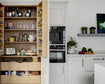
Adjustable shelving allows flexibility as your storage needs change. Pull-out drawers within cupboards prevent items being lost at the back. Internal dividers help organise trays, baking sheets, and chopping boards.
Consider incorporating:
• Pull-out spice racks
• Soft-close drawer systems
• Hidden recycling bins
• Vertical tray dividers
• Door-mounted storage
In UK homes where kitchen sizes vary greatly, these smart features can transform ordinary cupboards into high-performance storage solutions.
Kitchen Storage Cupboards for Small UK Kitchens
Compact kitchens require strategic planning. To maximise space:
Use ceiling-height cupboards to take advantage of vertical space.
Opt for lighter finishes to reflect natural light.
Install mirrored splashbacks to enhance depth.
Choose slimline cupboard designs where possible.
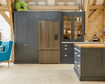
Integrate appliances within tall cupboards to maintain clean lines.
Even in small flats or terrace homes, thoughtfully selected kitchen storage cupboards can create the illusion of a larger room.
Kitchen Storage Cupboards for Open-Plan Living
Open-plan kitchens must balance function with aesthetics. Cupboards should complement the living space rather than dominate it.
Consider:
• Consistent colour schemes
• Integrated handles
• Concealed appliance cupboards
• Symmetrical layouts
Large-scale tall cupboards can create architectural presence while maintaining hidden storage.
Organising Your Kitchen Storage Cupboards Effectively
Once installed, organisation is key.
Start by categorising items:
Everyday items
Occasional use items
Bulk supplies
Cleaning products
Store frequently used items at eye level or within easy reach. Keep heavier items in base cupboards to prevent strain. Use labelled containers for dry goods to reduce visual clutter.
Regular decluttering ensures that your kitchen storage cupboards remain efficient and manageable.
Colour Choices for Kitchen Storage Cupboards
Colour significantly impacts atmosphere.
White and cream create brightness and timeless appeal.
Grey tones offer contemporary sophistication.
Deep navy or forest green introduce depth and elegance.
Natural wood finishes add warmth.
In the UK, neutral palettes remain popular due to their resale value and versatility.
Budget Considerations for Kitchen Storage Cupboards
Costs vary depending on material, size, and complexity.
Factors influencing price include:
• Custom vs standard sizing
• Internal storage mechanisms
• Material quality
• Installation complexity
• Finish and hardware
Investing in durable kitchen storage cupboards can provide long-term value and reduce the need for future replacements.
Installation Considerations
Professional installation ensures structural safety and alignment, especially for wall-mounted cupboards. Poor installation can lead to uneven doors, gaps, or structural failure.
If fitting cupboards yourself, ensure walls are level and secure enough to bear weight. In older UK properties, walls may require reinforcement before installing heavy units.
Maintenance and Longevity
To extend the life of kitchen storage cupboards:
Wipe surfaces regularly with non-abrasive cleaners.
Avoid excessive moisture exposure.
Check hinges and handles periodically.
Tighten fittings when necessary.
Proper maintenance preserves both appearance and functionality.
Sustainability and Eco-Friendly Kitchen Storage Cupboards
Many homeowners now prioritise sustainability.
Look for responsibly sourced timber, low-emission finishes, and durable materials that reduce long-term waste. Investing in high-quality cupboards reduces environmental impact over time by minimising replacement cycles.
Increasing Property Value with Kitchen Storage Cupboards
A well-designed kitchen is one of the strongest selling points in UK property markets. Buyers prioritise storage.
Modern, spacious kitchen storage cupboards create:
• A sense of organisation
• Visual appeal
• Practical functionality
• Increased perceived property value
If you are renovating with resale in mind, prioritising smart storage is a wise decision.
Common Mistakes to Avoid
Avoid installing cupboards that are too deep without internal organisers.
Do not neglect corner spaces.
Avoid dark finishes in small kitchens without adequate lighting.
Do not overlook ventilation for food storage areas.
Avoid mismatched cupboard heights that disrupt visual balance.
Thoughtful planning prevents costly adjustments later.
Future Trends in Kitchen Storage Cupboards
Emerging trends in UK kitchens include:
• Floor-to-ceiling storage walls
• Integrated lighting within cupboards
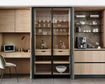
• Hidden breakfast stations
• Minimalist handleless designs
• Multi-functional storage solutions
Technology is also influencing storage, with sensor lighting and smart organisation systems becoming more accessible.
Final Thoughts: Investing in the Right Kitchen Storage Cupboards
Choosing the right kitchen storage cupboards is about more than aesthetics. It is about designing a space that works for your daily life, supports organisation, and enhances the overall atmosphere of your home.
From compact city flats to spacious family homes, well-designed storage creates efficiency, reduces stress, and improves the experience of cooking and living.
When selecting kitchen storage cupboards, focus on durability, layout, smart internal design, and timeless style. By doing so, you will create a kitchen that not only looks exceptional but performs flawlessly for years to come.
A beautifully organised kitchen is not achieved by chance. It is built through careful planning, intelligent storage choices, and attention to detail.
And at the centre of that transformation are thoughtfully designed kitchen storage cupboards that turn everyday chaos into lasting order.