- No products in the cart.




PANTRY CUPBOARDS: THE QUIET ARCHITECTURE OF ORDER, SPACE AND EVERYDAY EASE IN MODERN UK HOMES

09
Jan
Introduction: why pantry cupboards matter more than ever
Pantry cupboards have quietly become one of the most important features in the modern UK kitchen. Once seen as a luxury or a nod to traditional homes, they are now a practical response to how we live today. Busier households, smaller kitchens, rising food costs, bulk buying, home cooking, and the desire for calm, organised spaces have all pushed pantry cupboards back into the spotlight.
A pantry cupboard is no longer just somewhere to store tins and dry goods. It is a system. It is a space-saving solution. It is a design feature. And most importantly, it is a daily quality-of-life upgrade.
This guide explores pantry cupboards in depth, covering what they are, why they work so well in UK homes, the different types available, how to choose the right one, how to organise it effectively, and how pantry cupboards can completely change the way your kitchen functions. Whether you live in a compact flat, a family home, or a period property, pantry cupboards can be adapted to suit almost any space.
What are pantry cupboards?
Pantry cupboards are tall, enclosed storage units designed specifically for food, kitchen essentials, and related items. Unlike standard wall or base cupboards, pantry cupboards typically run from floor to near ceiling height and offer multiple shelves, compartments, or internal storage zones.
Traditionally, pantries were separate rooms used for storing food at cooler temperatures. Modern pantry cupboards bring that same concept into a single, efficient cabinet that fits directly into the kitchen layout.
Most pantry cupboards are used to store:
• Dry foods such as pasta, rice, flour, cereals, and pulses
• Tinned and jarred goods
• Cooking oils, sauces, and condiments
• Snacks and baking ingredients
• Small kitchen appliances
• Cleaning supplies (when separated safely)
By consolidating storage vertically, pantry cupboards free up worktops, reduce clutter, and make everyday cooking more efficient.
Why pantry cupboards are ideal for UK kitchens
UK kitchens face some unique challenges. Many homes, particularly older properties and new-builds, have limited kitchen space. Storage often becomes fragmented across small cupboards, drawers, and awkward corners.
Pantry cupboards solve several common UK kitchen problems at once.
They maximise vertical space
UK kitchens often lack width but have available height. Pantry cupboards take full advantage of vertical storage, turning unused height into practical space.
They reduce visual clutter
Open shelving can quickly look messy. Pantry cupboards hide contents behind doors, creating a cleaner, calmer kitchen aesthetic.
They support bulk buying
With rising food prices, more households buy in bulk. Pantry cupboards provide a dedicated space to store larger quantities without overcrowding the kitchen.
They improve accessibility
Well-designed pantry cupboards allow everything to be seen at a glance. No more forgotten items pushed to the back of cupboards.
They work in old and new homes
From Victorian terraces to modern flats, pantry cupboards can be styled to suit both traditional and contemporary interiors.
Different types of pantry cupboards explained
Not all pantry cupboards are the same. Choosing the right type depends on your space, budget, and how you use your kitchen.
Freestanding pantry cupboards
Freestanding pantry cupboards are standalone units that can be placed anywhere with sufficient floor space. They are ideal for renters or homeowners who want flexibility without permanent installation.
Benefits include easy installation, portability, and suitability for kitchens without fitted cabinetry. They are also useful in utility rooms or dining areas.
Integrated pantry cupboards
Integrated pantry cupboards are built into fitted kitchens and designed to blend seamlessly with surrounding units. They offer a cohesive look and can be customised to match doors, finishes, and handles.
These pantry cupboards are ideal for homeowners planning a kitchen renovation or wanting a fully coordinated appearance.
Pull-out pantry cupboards
Pull-out pantry cupboards use internal mechanisms that allow shelves to slide out smoothly when the door is opened. This design provides excellent visibility and access, especially in narrow spaces.
They are particularly effective for storing smaller items and preventing food waste by ensuring everything is easy to see.
Corner pantry cupboards
Corner pantry cupboards make use of otherwise awkward corner spaces. With clever internal shelving systems, they transform dead zones into highly functional storage areas.
These are ideal for kitchens where every centimetre counts.
Larder-style pantry cupboards
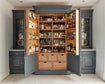
Larder-style pantry cupboards often feature internal drawers, shelves, spice racks, and door storage. They act as a complete food storage station within one unit.
They are popular in family kitchens where organisation and capacity are priorities.
Choosing the right pantry cupboards for your space
Selecting the right pantry cupboards requires more than choosing a style you like. Practical considerations are key to long-term satisfaction.
Assess your available space
Measure height, width, and depth carefully. Pantry cupboards should not obstruct walkways or appliances.
Consider door opening clearance
Ensure there is enough room for doors to open fully, especially in smaller kitchens.
Think about internal layout
Shelving spacing matters. Adjustable shelves offer flexibility as your storage needs change.
Match your kitchen style
Pantry cupboards should complement your existing kitchen, whether that is modern, shaker-style, or traditional.
Plan for future needs
Households evolve. Choosing pantry cupboards with adaptable interiors ensures they remain useful long-term.
Pantry cupboards and kitchen workflow
One of the biggest advantages of pantry cupboards is how they improve kitchen workflow.
Instead of searching across multiple cupboards, everything is stored in one logical place. This reduces cooking time, improves organisation, and makes meal preparation more enjoyable.
Positioning pantry cupboards near food preparation areas or ovens can further enhance efficiency. Many households find that once a pantry cupboard is installed, their kitchen feels significantly larger and more functional without adding extra square footage.
How pantry cupboards help reduce food waste
Food waste is a growing concern in the UK, both financially and environmentally. Pantry cupboards play a surprisingly powerful role in tackling this issue.
Clear visibility of stored items means food is less likely to be forgotten. Grouping similar items together helps track quantities and expiry dates. Adjustable shelves prevent items being hidden behind taller packaging.
With a well-organised pantry cupboard, households can plan meals more effectively, reduce duplicate purchases, and make better use of what they already have.
Organising pantry cupboards effectively
A pantry cupboard is only as good as its organisation. Thoughtful arrangement turns storage into a system that works effortlessly.
Group items by category
Keep similar foods together, such as baking ingredients, snacks, breakfast items, and cooking staples.
Use clear containers where possible
Decanting dry goods into uniform containers saves space and improves visibility.
Label shelves or containers
Clear labelling helps all household members maintain organisation.
Store frequently used items at eye level
Less-used items can be stored higher or lower.
Leave space for growth
Avoid overfilling. A little empty space allows flexibility for future purchases.
Pantry cupboards for small kitchens
Small kitchens benefit enormously from pantry cupboards. Even a slim unit can dramatically increase storage capacity.
Narrow pull-out pantry cupboards are ideal for tight spaces. Tall units replace multiple smaller cupboards, creating a cleaner look while increasing usable storage.
In small kitchens, pantry cupboards often allow other cupboards to be removed or repurposed, freeing up space for drawers or appliances.
Pantry cupboards in open-plan living
Open-plan kitchens demand a balance between functionality and aesthetics. Pantry cupboards are particularly valuable in these spaces.
By hiding food and packaging behind closed doors, pantry cupboards maintain a clean visual flow between kitchen and living areas. Integrated designs ensure the pantry blends seamlessly into cabinetry, avoiding a cluttered appearance.
Pantry cupboards and family living
For families, pantry cupboards become command centres for daily life.
They provide easy access for children to snacks and breakfast items. They simplify shopping routines by centralising food storage. They support meal planning by keeping everything visible and organised.
Many families find that pantry cupboards reduce stress around cooking, school mornings, and busy evenings.
Materials and finishes for pantry cupboards
The finish of pantry cupboards plays a major role in both durability and appearance.
Common options include:
• Painted finishes for a clean, classic look
• Wood-effect finishes for warmth and texture
• Matte surfaces for modern kitchens
• Gloss finishes for light reflection in smaller spaces
Choosing a durable, easy-to-clean finish is particularly important for pantry cupboards, as they are opened frequently and store a variety of items.
Internal features that elevate pantry cupboards
Modern pantry cupboards offer far more than simple shelving.
Popular internal features include:
• Adjustable shelves
• Soft-close mechanisms
• Internal drawers
• Door-mounted racks
• Ventilated shelves for food storage
These features transform pantry cupboards from basic storage into highly efficient systems.
Pantry cupboards and sustainability
Sustainability is increasingly important to UK households. Pantry cupboards support sustainable living in several ways.
They encourage bulk buying, reducing packaging waste. They help households track food consumption, reducing waste. They also promote home cooking, which often has a lower environmental impact than ready meals or takeaway food.
By supporting better habits, pantry cupboards contribute to both environmental and financial sustainability.
Maintenance and care of pantry cupboards
Keeping pantry cupboards in good condition is simple with regular care.
Wipe shelves regularly to prevent spills or crumbs accumulating. Check expiry dates periodically and rotate stock. Avoid overloading shelves beyond their recommended capacity.
With basic maintenance, pantry cupboards can remain functional and attractive for many years.
Common mistakes to avoid with pantry cupboards
Despite their benefits, pantry cupboards can fall short if poorly planned.
Common mistakes include:
• Choosing a unit that is too deep for the space
• Poor internal layout with fixed shelves only
• Overfilling without organisation
• Placing the pantry too far from food preparation areas
Avoiding these issues ensures pantry cupboards deliver maximum value.
Are pantry cupboards worth the investment?
For many households, pantry cupboards quickly become one of the most valued kitchen features.
They add practical storage, improve daily routines, reduce clutter, and enhance the overall feel of the kitchen. While they require upfront investment, the long-term benefits often outweigh the cost.
In homes where space is limited, pantry cupboards can be transformative rather than simply convenient.
Pantry cupboards and property appeal
Well-designed kitchens are a major factor in property appeal. Pantry cupboards are increasingly seen as a premium feature by buyers and renters alike.
They signal thoughtful design, efficient storage, and modern living. In competitive property markets, pantry cupboards can help a kitchen stand out.
The future of pantry cupboards in UK homes
As lifestyles continue to evolve, pantry cupboards are likely to become even more common.
Smarter internal systems, modular designs, and flexible layouts will continue to improve functionality. As home cooking, sustainability, and organisation remain priorities, pantry cupboards will stay firmly at the centre of kitchen design.
They are no longer a trend, but a response to real, everyday needs.
Conclusion: pantry cupboards as a foundation of better kitchens
Pantry cupboards are more than storage units. They are a structural solution to clutter, inefficiency, and wasted space. For UK homes of all sizes, they offer a way to reclaim order, improve workflow, and make kitchens more enjoyable to use.
By choosing the right pantry cupboards, organising them thoughtfully, and integrating them into the kitchen layout, households can experience a noticeable improvement in daily life. Cooking becomes easier. Shopping becomes smarter. Kitchens become calmer.
In a world where homes must work harder than ever, pantry cupboards quietly deliver one of the most effective upgrades available.