- No products in the cart.




LARDER CUPBOARDS: WHY UK HOMES ARE FALLING BACK IN LOVE WITH SMART KITCHEN STORAGE

10
May
In modern British homes, storage has become one of the most important parts of kitchen design. From busy family households to compact city apartments, homeowners are constantly searching for ways to create cleaner, more organised living spaces without sacrificing style. This is exactly why larder cupboards have become one of the most sought-after kitchen furniture solutions in the UK.
Once considered a traditional feature found mainly in country homes, larder cupboards are now making a huge comeback in both modern and classic interiors. They offer practicality, convenience, organisation, and aesthetic appeal all in one piece of furniture. Whether you are redesigning your kitchen, upgrading your storage, or simply trying to reduce clutter, understanding the benefits of larder cupboards can completely transform the way you use your space.
In this comprehensive guide, we will explore everything you need to know about larder cupboards, including their benefits, types, styling ideas, organisation tips, sizing considerations, and why they have become one of the most valuable storage investments for UK homeowners.
What Are Larder Cupboards?
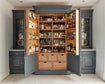
Larder cupboards are tall storage units designed specifically for organising food, kitchen essentials, cookware, and household items in one centralised location. Traditionally, a larder was a cool room used for storing perishables before refrigeration became common. Today, modern larder cupboards provide that same organised storage concept in a far more stylish and practical format.
Most larder cupboards feature:
- Multiple internal shelves
- Deep storage compartments
- Door racks
- Pull-out baskets
- Adjustable shelving
- Tall vertical designs
- Large internal capacity
They are designed to maximise kitchen storage while keeping everything easily accessible and neatly organised.
Modern larder cupboards are available in many styles, including:
- Freestanding larder cupboards
- Integrated kitchen larder units
- Pantry cupboards
- Double-door larder cupboards
- Slimline larder cupboards
- Corner larder cupboards
- Oak larder cupboards
- Painted larder cupboards
- Contemporary larder cupboards
This flexibility makes them suitable for virtually every type of UK home.
Why Larder Cupboards Are So Popular in UK Homes
The growing popularity of larder cupboards across the UK is not accidental. Homeowners are increasingly prioritising functionality, organisation, and efficient use of space. Kitchens are no longer purely cooking spaces — they are now social hubs, workspaces, and family gathering areas.
Larder cupboards help support this modern lifestyle in several ways.
Exceptional Storage Capacity
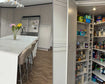
One of the biggest reasons people invest in larder cupboards is their incredible storage potential. Instead of spreading food and kitchen supplies across multiple cabinets, drawers, and shelves, a larder cupboard creates one centralised storage zone.
This makes it easier to store:
- Dry food
- Tins and jars
- Cereals
- Snacks
- Baking ingredients
- Cooking oils
- Spices
- Tea and coffee
- Kitchen appliances
- Cleaning products
Tall larder cupboards make excellent use of vertical space, which is especially important in smaller UK kitchens.
Improved Kitchen Organisation
A cluttered kitchen can quickly become stressful. Larder cupboards create order by allowing homeowners to categorise and organise items properly.
With adjustable shelving and dedicated storage zones, you can easily separate:
- Breakfast foods
- Baking essentials
- Snacks
- Meal preparation ingredients
- Drinks
- Household supplies
This organisation saves time, reduces stress, and makes everyday cooking more efficient.
Cleaner and More Minimalist Kitchens
Modern kitchen design trends increasingly favour clean surfaces and uncluttered layouts. Larder cupboards help achieve this by hiding away everyday items behind elegant doors.
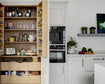
Small appliances such as toasters, air fryers, blenders, and coffee machines can often be stored inside larger larder cupboards, helping worktops remain clean and visually appealing.
Better Food Visibility
Many people unknowingly waste food simply because they cannot see what they already own. Larder cupboards improve visibility and accessibility, making it easier to monitor stock levels and reduce unnecessary purchases.
Well-organised pantry storage can also improve meal planning and reduce household waste.
Different Types of Larder Cupboards
Not all larder cupboards are the same. Understanding the various styles available can help you choose the perfect option for your kitchen.
Freestanding Larder Cupboards
Freestanding larder cupboards are one of the most popular choices in the UK. These standalone furniture pieces can be placed almost anywhere in the kitchen.
Benefits include:
- Flexible placement
- No installation into cabinetry required
- Easier to move
- Ideal for traditional and farmhouse kitchens
- Often feature decorative designs
Freestanding larder cupboards work particularly well in period properties and country-style homes.
Integrated Larder Cupboards
Integrated larder cupboards are built directly into fitted kitchen layouts. These provide a seamless, modern appearance and are highly popular in contemporary kitchens.
Advantages include:
- Streamlined appearance
- Space efficiency
- Customisable layouts
- Modern aesthetic
- Excellent for minimalist kitchens
Integrated pantry units are commonly used in new-build homes and kitchen renovations.
Double Larder Cupboards
Double larder cupboards provide extremely large storage capacity through wider dimensions and dual-door access.
They are ideal for:
- Large families
- Bulk food storage
- Spacious kitchens
- Home cooks
- Entertaining households
Double-door designs can often include pull-out storage systems and internal organisation features.
Slimline Larder Cupboards
Slimline larder cupboards are perfect for narrow kitchens or awkward unused spaces.
These are particularly useful in:
- Small flats
- Compact kitchens
- Galley kitchens
- Apartments
- Utility rooms
Despite their smaller footprint, they can still provide surprisingly efficient storage.
Oak Larder Cupboards
Oak larder cupboards remain one of the most popular choices in the UK thanks to their timeless appearance and durability.
Oak furniture offers:
- Long-lasting quality
- Natural warmth
- Rustic character
- Traditional charm
- Versatility across kitchen styles
Solid wood larder cupboards are often viewed as long-term investments due to their durability.
Painted Larder Cupboards
Painted larder cupboards are increasingly popular for homeowners wanting colour and personality in their kitchens.
Popular UK colour choices include:
- Sage green
- Navy blue
- Soft grey
- Cream
- Charcoal
- White
- Forest green
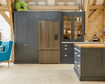
Painted finishes work exceptionally well in both modern and shaker-style kitchens.
How to Choose the Right Larder Cupboards for Your Kitchen
Choosing the perfect larder cupboards depends on several important factors.
Consider Your Kitchen Size
Before buying any storage furniture, carefully measure your available space.
Think about:
- Ceiling height
- Door clearance
- Walking space
- Existing cabinetry
- Appliance positioning
Tall larder cupboards can make smaller kitchens feel more organised, but oversized units may overwhelm compact spaces.
Think About Your Storage Needs
Different households require different storage solutions.
Ask yourself:
- Do you bulk buy groceries?
- Do you need appliance storage?
- Do you want visible or hidden shelving?
- Do you need child-friendly access?
- Do you cook frequently?
Your answers will help determine the ideal internal layout.
Match Your Interior Style
Larder cupboards should complement your kitchen design rather than compete with it.
For example:
- Traditional kitchens suit oak or shaker-style cupboards
- Modern kitchens suit sleek integrated designs
- Rustic homes suit natural wood finishes
- Minimalist kitchens suit handleless units
Consistency in style helps create a cohesive kitchen appearance.
Prioritise Build Quality
Quality matters significantly with larder cupboards because they are used daily.
Look for:
- Solid construction
- Durable hinges
- Strong shelving
- Quality drawer runners
- Sturdy door mechanisms
Investing in better quality furniture often saves money long term.
The Best Ways to Organise Larder Cupboards
Organisation is one of the biggest advantages of larder cupboards. Proper organisation can completely transform kitchen functionality.
Create Dedicated Zones
Separate your cupboard into logical sections.
Examples include:
- Breakfast section
- Baking section
- Pasta and rice section
- Snacks section
- Drinks section
- Cooking ingredients section
This makes items easier to locate quickly.
Use Storage Containers
Clear storage containers can dramatically improve organisation while creating a cleaner visual appearance.
Containers help:
- Preserve freshness
- Prevent spills
- Improve visibility
- Maximise shelf space
- Reduce packaging clutter
Labelling containers also improves efficiency.
Store Frequently Used Items at Eye Level
Keep everyday essentials within easy reach.
Eye-level storage is ideal for:
- Tea and coffee
- Breakfast cereals
- Cooking oils
- Common spices
- Snacks
Less frequently used items can be stored higher or lower.
Rotate Food Regularly
A simple first-in-first-out system helps reduce waste and improve food freshness.
Place newer items behind older products to ensure older supplies are used first.
Why Larder Cupboards Increase Home Appeal
Well-designed kitchens are one of the most influential factors in UK property value and buyer appeal. Storage is a major selling point for many homeowners.
Larder cupboards can increase perceived value because they offer:
- Premium kitchen aesthetics
- Enhanced organisation
- Better functionality
- Modern storage solutions
- Improved practicality
Many buyers actively search for homes with pantry or larder storage features already included.
Larder Cupboards for Small Kitchens
A common misconception is that larder cupboards only work in large kitchens. In reality, they can be especially beneficial in compact spaces.
Tall vertical storage helps maximise unused wall height while reducing clutter elsewhere.
For smaller kitchens, consider:
- Slimline larder cupboards
- Corner larder units
- Pull-out pantry systems
- Narrow vertical storage
- Combination storage cupboards
Efficient storage can make even small kitchens feel significantly larger.
Modern Trends in Larder Cupboards
Kitchen design trends continue evolving, and larder cupboards are becoming increasingly sophisticated.
Current UK trends include:
Hidden Appliance Stations
Many modern larder cupboards now include appliance garages where kettles, microwaves, and coffee machines can be concealed behind doors.
Built-In Lighting
Internal LED lighting improves visibility while creating a premium appearance.
Pull-Out Pantry Systems
Pull-out shelving systems maximise accessibility and reduce wasted space.
Sustainable Materials
Eco-conscious consumers increasingly seek sustainably sourced wood and environmentally responsible finishes.
Multi-Purpose Storage
Some larder cupboards now include charging stations, wine storage, breakfast preparation areas, and integrated drawers.
Common Mistakes to Avoid When Buying Larder Cupboards
Choosing the wrong cupboard can reduce functionality and satisfaction.
Avoid these common mistakes:
Ignoring Internal Layout
The exterior appearance matters, but internal storage design is even more important.
Always evaluate:
- Shelf depth
- Adjustable features
- Door storage
- Drawer access
- Vertical spacing
Choosing Style Over Function
Beautiful cupboards are useless if they do not meet your storage needs.
Balance aesthetics with practicality.
Underestimating Space Requirements
Always account for:
- Door opening space
- Ventilation
- Traffic flow
- Appliance clearance
Poor planning can create frustrating layouts.
Buying Poor Quality Furniture
Cheaper furniture may save money initially but often lacks durability.
Strong construction is essential for long-term use.
How Larder Cupboards Support Modern Living
Modern life is increasingly busy, and organised homes help reduce daily stress.
Larder cupboards support efficient living by:
- Reducing clutter
- Simplifying meal preparation
- Improving food management
- Enhancing kitchen aesthetics
- Maximising storage
- Supporting bulk buying
- Encouraging organisation
As more UK homeowners embrace organised living and minimalist interiors, larder cupboards continue growing in popularity.
Are Larder Cupboards Worth It?
For most households, the answer is absolutely yes.
Larder cupboards provide benefits that extend far beyond basic storage. They improve functionality, enhance aesthetics, reduce clutter, support organisation, and create a more enjoyable kitchen environment overall.
Whether you live in a compact city apartment or a large countryside home, the right larder cupboard can transform your kitchen experience.
They are particularly valuable for:
- Families
- Home cooks
- Organised households
- Small kitchens
- Modern renovations
- Traditional homes
- Bulk shoppers
With the right design and organisation system, larder cupboards become one of the most practical and visually appealing investments you can make in your kitchen.
How to Maintain Larder Cupboards
Proper maintenance helps keep larder cupboards looking beautiful and functioning effectively for years.
Clean Shelves Regularly
Wipe shelves frequently to remove crumbs, dust, and spills.
Avoid Moisture Build-Up
Good ventilation helps prevent dampness and protects stored food.
Check Hinges and Fixtures
Tighten loose hinges and inspect moving components periodically.
Avoid Overloading Shelves
Excessive weight can damage shelving and reduce longevity.
Reorganise Every Few Months
Refreshing your storage system helps maintain efficiency and prevents clutter accumulation.
The Future of Kitchen Storage in the UK
Kitchen design continues moving toward smarter, cleaner, and more efficient living spaces. Larder cupboards perfectly align with these priorities.
As homeowners increasingly value:
- Organisation
- Minimalism
- Functionality
- Storage efficiency
- Premium kitchen aesthetics
Larder cupboards are likely to remain one of the most desirable kitchen storage solutions in the UK market for many years to come.
Their combination of practicality and style makes them a timeless feature capable of adapting to changing interior trends while continuing to provide everyday convenience.
FAQ SECTION
What are larder cupboards used for?
Larder cupboards are primarily used for storing food, kitchen essentials, cookware, small appliances, and household supplies in an organised and accessible way.
Are larder cupboards suitable for small kitchens?
Yes. Slimline and vertical larder cupboards are ideal for small kitchens because they maximise storage without taking up excessive floor space.
What is the difference between a pantry and larder cupboards?
The terms are often used interchangeably today. Traditionally, a pantry referred to dry food storage, while a larder was used for cooler food storage. Modern larder cupboards generally function as pantry-style kitchen storage units.
Are freestanding larder cupboards better than integrated ones?
It depends on your kitchen layout and style preferences. Freestanding larder cupboards offer flexibility and traditional charm, while integrated designs provide a seamless modern appearance.
What materials are best for larder cupboards?
Solid wood, engineered wood, and oak are popular choices due to their durability, strength, and timeless appearance.
Can larder cupboards increase property value?
Well-designed kitchen storage solutions can improve buyer appeal and contribute positively to property value perception.
How deep should larder cupboards be?
Most larder cupboards range between 40cm and 60cm deep, depending on design and intended storage capacity.
What colour larder cupboards are most popular in the UK?
Popular colours include sage green, navy blue, cream, white, grey, and natural oak finishes.
Are larder cupboards worth the investment?
Yes. Larder cupboards improve organisation, reduce clutter, maximise kitchen storage, and enhance overall functionality.
How do I organise larder cupboards properly?
Use storage zones, labelled containers, adjustable shelving, and visibility systems to maintain an organised and efficient layout.