- No products in the cart.




THE MODERN KITCHEN REDEFINED: HOW LARDERS ARE TRANSFORMING STORAGE, STYLE, AND EVERYDAY LIVING IN UK HOMES

09
Apr
In recent years, larders have experienced a remarkable resurgence across UK homes, becoming one of the most sought-after kitchen storage solutions. Once considered a traditional or even outdated feature, larders are now firmly positioned at the intersection of practicality, organisation, and modern design.
As homeowners increasingly prioritise efficient storage, clutter-free living, and elevated kitchen aesthetics, larders have emerged as a solution that delivers on all fronts. Whether in compact urban kitchens or spacious open-plan layouts, larders offer a structured, accessible, and visually appealing way to store food, appliances, and everyday essentials.
This guide explores everything you need to know about larders, from their functional advantages and design variations to how they can enhance your kitchen layout, improve organisation, and increase long-term property appeal. If you are looking to optimise your kitchen storage while aligning with current UK interior trends, understanding the role of larders is essential.
What Are Larders and Why Are They So Popular?
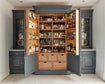
Larders are dedicated storage units or cupboards designed specifically for food and kitchen essentials. Traditionally, they were used to store perishable goods in cool, ventilated environments before the widespread use of refrigeration. Today, modern larders have evolved into highly functional kitchen storage systems that combine shelving, compartments, and clever organisational features.
The renewed popularity of larders can be attributed to several factors:
Firstly, there is a growing demand for organised living spaces. With busy lifestyles and increased grocery shopping habits, having a designated space for dry goods, snacks, and cooking ingredients helps streamline daily routines.
Secondly, larders support a minimalist kitchen aesthetic. By storing items behind closed doors, they reduce visible clutter and create a clean, polished look.
Thirdly, they provide unmatched accessibility. Unlike standard cupboards, larders are designed to allow full visibility and easy reach, making it simple to locate items quickly.
Finally, larders align with the trend of intentional kitchen design, where every element serves a clear purpose and contributes to both function and style.
Types of Larders for UK Homes
Understanding the different types of larders available is key to choosing the right option for your space.
Freestanding Larders
Freestanding larders are standalone units that can be placed anywhere in the kitchen. These are particularly popular in UK homes where flexibility is important. They can be repositioned if needed and are ideal for renters or those who prefer not to commit to built-in cabinetry.
Freestanding larders often come in a variety of finishes and styles, allowing homeowners to match them with existing furniture or create a focal point within the kitchen.
Built-In Larders
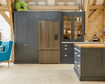
Built-in larders are integrated into the kitchen layout, offering a seamless and cohesive appearance. These are commonly found in modern kitchens and are designed to blend with cabinetry for a streamlined look.
They maximise space efficiency and are particularly effective in smaller kitchens where every inch counts.
Walk-In Larders
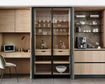
Walk-in larders represent the ultimate storage solution for larger homes. These dedicated pantry spaces allow for extensive shelving, bulk storage, and even small appliance integration.
While not suitable for every property, walk-in larders are highly desirable in high-end kitchen designs and provide exceptional organisation potential.
Slimline Larders
Slimline larders are designed for narrow spaces, making them ideal for compact UK kitchens. Despite their smaller footprint, they offer impressive storage capacity through vertical shelving and clever internal layouts.
These are perfect for maximising unused gaps or awkward spaces within the kitchen.
Key Benefits of Installing Larders
Superior Organisation
One of the most significant advantages of larders is the level of organisation they provide. With dedicated shelves, compartments, and sometimes door storage, everything has its place.
This not only makes cooking more efficient but also reduces food waste, as items are less likely to be forgotten or overlooked.
Improved Accessibility
Unlike traditional cupboards where items can become hidden at the back, larders are designed to provide full visibility. This makes it easier to see what you have, plan meals, and avoid unnecessary duplicate purchases.
Enhanced Kitchen Aesthetics
Larders contribute to a clean and cohesive kitchen design by concealing clutter. Whether you prefer a contemporary or classic look, they help maintain visual harmony.
Increased Storage Capacity
Larders maximise vertical space, offering significantly more storage than standard cupboards. This is particularly valuable in UK homes where kitchen space is often limited.
Versatility
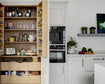
From storing dry goods and spices to housing small appliances, larders can be adapted to suit individual needs. Some designs even include pull-out drawers, spice racks, and integrated lighting.
How to Choose the Right Larders for Your Kitchen
Assess Your Space
Begin by evaluating the available space in your kitchen. Consider both floor area and vertical height. For smaller kitchens, slimline or built-in larders may be the most practical choice.
Define Your Storage Needs
Think about what you intend to store. If you require space for bulk groceries, opt for deeper shelves. If organisation is your priority, look for designs with multiple compartments and adjustable shelving.
Consider Style and Finish
Larders should complement your kitchen’s overall aesthetic. Neutral tones, wood finishes, and modern matt surfaces are all popular choices in UK homes.
Focus on Functionality
Look for features such as soft-close doors, pull-out trays, and adjustable shelving. These details enhance usability and make everyday tasks more convenient.
Think Long-Term
Investing in high-quality larders ensures durability and longevity. Consider materials and construction to ensure they can withstand daily use.
Designing Larders for Maximum Efficiency
To get the most out of your larders, thoughtful organisation is essential.
Categorise Items
Group similar items together, such as baking ingredients, snacks, and canned goods. This makes it easier to locate items quickly.
Use Storage Containers
Clear containers help maintain order and allow you to see contents at a glance. They also create a uniform and tidy appearance.
Optimise Shelf Height
Adjust shelves to accommodate different item sizes. Taller spaces can be used for larger containers, while smaller shelves are ideal for jars and spices.
Incorporate Door Storage
Many larders feature door-mounted racks, which are perfect for storing smaller items like spices, sauces, and condiments.
Maintain Regular Organisation
Periodically review and reorganise your larders to keep them efficient and clutter-free.
Larders and Modern UK Kitchen Trends
Larders are closely aligned with several key trends in UK kitchen design.
Open-Plan Living
As open-plan kitchens become more common, maintaining a tidy appearance is crucial. Larders help achieve this by keeping storage concealed.
Minimalist Design
The shift towards minimalism has increased demand for hidden storage solutions. Larders provide a practical way to reduce visual clutter.
Sustainability
With a growing focus on reducing food waste, organised storage plays a vital role. Larders make it easier to manage inventory and use ingredients efficiently.
Smart Kitchens
Modern larders can be integrated with lighting and innovative storage solutions, enhancing both convenience and functionality.
Common Mistakes to Avoid When Choosing Larders
Overlooking Measurements
Failing to measure your space accurately can lead to installation issues. Always double-check dimensions before purchasing.
Ignoring Internal Layout
The internal configuration is just as important as the external design. Ensure it suits your storage needs.
Choosing Style Over Function
While aesthetics are important, functionality should never be compromised. Prioritise usability.
Underestimating Capacity
Select larders that can accommodate your current and future storage requirements.
Neglecting Accessibility
Ensure that shelves and compartments are easy to reach and use.
How Larders Add Value to Your Home
Investing in larders can enhance the overall appeal of your property. Well-designed storage solutions are highly attractive to potential buyers, particularly in the UK market where kitchen functionality is a key consideration.
Larders contribute to a sense of organisation and quality, making the kitchen feel more spacious and efficient. This can positively influence both resale value and buyer perception.
Future-Proofing Your Kitchen with Larders
As kitchen design continues to evolve, larders are expected to remain a central feature. Their adaptability, practicality, and aesthetic appeal make them a long-term investment.
Whether you are renovating your kitchen or simply upgrading your storage, incorporating larders ensures your space remains functional and relevant for years to come.
Conclusion: Why Larders Are an Essential Kitchen Upgrade
Larders are no longer just a traditional storage solution; they are a modern necessity for organised, efficient, and stylish kitchens. By offering superior storage capacity, improved accessibility, and enhanced aesthetics, they address many of the challenges faced by UK homeowners.
From compact slimline designs to expansive walk-in options, there is a larder solution for every kitchen. By carefully selecting and organising your larders, you can transform your kitchen into a space that is both practical and visually appealing.
If you are looking to elevate your kitchen storage, reduce clutter, and create a more functional living environment, larders are undoubtedly one of the most effective investments you can make.
FAQ SECTION
What are larders used for?
Larders are used to store food, kitchen essentials, and sometimes small appliances. They provide organised, accessible storage that helps keep kitchens tidy and efficient.
Are larders suitable for small kitchens?
Yes, slimline and built-in larders are specifically designed for compact spaces and can significantly increase storage without taking up too much room.
What is the difference between a pantry and larders?
While both serve similar purposes, larders are typically enclosed units or cupboards, whereas pantries may refer to larger walk-in storage spaces.
Do larders increase property value?
Well-designed larders can enhance kitchen appeal and functionality, which may positively impact property value.
How do I organise larders effectively?
Group items by category, use clear containers, adjust shelf heights, and regularly review contents to maintain organisation.
Are larders a good investment?
Yes, larders provide long-term benefits in terms of storage efficiency, organisation, and kitchen aesthetics, making them a worthwhile investment.