- No products in the cart.




THE QUIET ARCHITECTURE OF BEAUTIFUL KITCHENS: WHY LARDERS ARE BECOMING THE MOST DESIRED STORAGE FEATURE IN UK HOMES

08
Apr
In today’s kitchens, storage is no longer just a practical afterthought. It has become one of the biggest deciding factors in how a space looks, feels, and functions every single day. As more UK homeowners search for ways to create cleaner, calmer, and more efficient kitchens, one timeless feature is returning in a major way: larders.
Once considered a traditional storage solution from older homes, larders have now become one of the most desirable additions to modern kitchens. They offer something that ordinary cupboards often cannot — a dedicated, beautifully organised space for food, cookware, dry goods, appliances, and everyday kitchen essentials. Whether you live in a large family home or a compact city property, larders can dramatically improve the usability and appearance of your kitchen.
This guide explores everything you need to know about larders, from what they are and why they matter, to how to choose the right one for your home. If you are researching the best kitchen storage ideas in the UK, this article will help you understand why larders are becoming a must-have feature for stylish and functional kitchens alike.
What Are Larders?
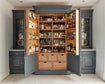
At their core, larders are tall kitchen storage units designed to hold food, pantry goods, jars, tins, ingredients, and often small appliances. Traditionally, a larder referred to a cool room or cupboard used to store perishables before the arrival of refrigeration. Today, the term has evolved to describe freestanding or fitted pantry-style storage units that bring order and structure to modern kitchens.
Unlike standard cupboards, larders are designed with purpose. They usually include a mix of shelves, internal racks, drawers, baskets, or compartments, allowing you to organise your kitchen items far more effectively. Instead of scattering groceries and supplies across multiple cupboards, larders give you one centralised place to store everything neatly and accessibly.
For many households, this is exactly what makes them so appealing. They help create a kitchen that feels less cluttered, more premium, and far easier to use.
Why Larders Are So Popular in Modern UK Kitchens
The growing popularity of larders is no accident. UK homeowners are increasingly looking for kitchen furniture that combines style and practicality, and few pieces achieve that balance better.
They Create Better Kitchen Organisation
One of the biggest reasons people invest in larders is simple: organisation. A well-designed larder gives everything a place. Baking ingredients, cereals, pasta, sauces, tea, coffee, snacks, oils, spices, and even breakfast appliances can all be stored in one structured area.
This instantly reduces the chaos that often builds up in busy kitchens. Instead of rummaging through multiple cupboards looking for one ingredient, you know exactly where to go.
They Help Kitchens Look Cleaner and More Spacious
Even if your kitchen is not especially large, larders can make it feel more open and refined. That is because better storage reduces visible clutter. When surfaces are free from cereal boxes, bread bins, packets, and small appliances, the whole room feels calmer and more spacious.
This is particularly valuable in UK homes where kitchen space often needs to work harder.
They Add a Premium, High-End Feel
There is something undeniably luxurious about opening a beautifully arranged larder. It brings a sense of intention and elegance to the kitchen that ordinary cupboards rarely achieve.
This is one of the reasons larders are now so common in aspirational kitchen design. They bridge the gap between practicality and lifestyle, helping a kitchen feel more considered, more polished, and more enjoyable to use.
They Support Everyday Efficiency
Modern life is busy. The kitchen needs to support that. Larders make daily routines easier by keeping essentials visible, grouped, and accessible. Whether you are preparing school lunches, cooking dinner, unloading groceries, or making your morning coffee, good storage makes the process smoother.
That day-to-day convenience is often what turns larders from a “nice idea” into a feature people quickly feel they cannot live without.
The Different Types of Larders
Not all larders are the same. The best option for your home depends on your kitchen size, layout, and storage needs.
Freestanding Larders
Freestanding larders are one of the most popular choices for UK homes. These standalone units can be placed in kitchens, dining areas, utility rooms, or open-plan spaces without needing to be built into the room.
They are especially useful for:
- renters
- homes without fitted kitchen redesigns
- people wanting instant extra pantry storage
- households needing a flexible storage solution
Freestanding larders are often chosen because they offer a strong visual presence as well as practical storage. They can act almost like a furniture feature in the room, adding character as well as function.
Tall Larders
Tall larders maximise vertical storage, making them ideal for homes where floor space is limited. By going upwards rather than outwards, they allow you to store a large volume of kitchen items in a relatively compact footprint.
Tall larders are particularly useful in smaller UK kitchens where efficient use of space is essential.
Double Door Larders
Double door larders offer a wider storage format, often providing generous internal shelving and a more substantial overall capacity. They are ideal for larger households, keen home cooks, or anyone wanting a more dedicated pantry-style setup.
Because of their larger presence, they also tend to create a more premium, furniture-led look in the kitchen.
Slim or Narrow Larders
Slim larders are designed for tighter spaces, making them ideal for flats, galley kitchens, or awkward kitchen layouts. While narrower in width, they can still offer excellent storage when designed well.
For many UK households, a slim larder can be the perfect middle ground between practicality and space-saving.
What Can You Store in Larders?
One of the reasons larders are so useful is their versatility. They are not limited to dry food alone. In reality, they can become the central storage hub of your kitchen.
Here are some of the most common items people store in larders:
Dry Food and Pantry Essentials
This includes pasta, rice, flour, sugar, cereals, tins, sauces, snacks, pulses, grains, herbs, spices, and baking ingredients.
Breakfast and Beverage Supplies
Tea, coffee, mugs, sweeteners, spreads, porridge, granola, and breakfast accessories are all ideal for larder storage.
Cooking Oils and Condiments
Bottles, vinegars, dressings, marinades, and everyday seasonings can all be kept together for easier meal prep.
Small Kitchen Appliances
Many people use larger larders to house appliances such as toasters, air fryers, blenders, coffee machines, or mixers, helping keep worktops clear.
Tableware and Serving Pieces
Depending on the design, larders can also hold bowls, serving dishes, placemats, and kitchen textiles.
Household Overflow
Some households use larders to store reusable bags, foil, cling film, lunchbox supplies, pet food, or bulk-buy groceries.
This flexibility is what makes larders so valuable. They can adapt to the way you actually live, rather than forcing you into a rigid storage system.
How Larders Improve Kitchen Functionality
It is easy to think of storage purely in terms of “where things go”, but the best storage does much more than that. It changes how a kitchen works.
Better Visibility Means Less Waste
When food is hidden in deep cupboards, it often gets forgotten. Duplicate purchases become common, and ingredients expire before they are used.
Larders improve visibility. Shelves and compartments make it easier to see what you already have, helping reduce waste and improve meal planning.
This is especially useful for families, meal preppers, and anyone trying to shop more efficiently.
Faster Cooking and Meal Prep
A well-organised kitchen saves time. When ingredients are grouped logically and easy to access, cooking becomes faster and less frustrating.
Instead of opening six different cupboards to make one meal, you can access much of what you need from one central storage unit. That convenience adds up every single day.
Easier Grocery Unpacking
One of the simplest but most underrated benefits of larders is how much easier they make grocery organisation. Instead of distributing shopping across multiple cupboards, you can unpack many items into one designated pantry space.
That small improvement can make weekly routines feel far more manageable.
A More Enjoyable Kitchen Experience
Good storage has a psychological effect too. Kitchens that feel tidy, organised, and functional tend to feel more enjoyable to spend time in. They reduce friction. They reduce visual noise. They make the home feel more settled.
That is a major reason why larders have become such a sought-after feature in UK interiors.
How to Choose the Right Larder for Your Home
Not every larder will suit every home, so choosing the right one is important.
Consider Your Available Space
Start by measuring the area where the larder will go. Think about:
- width
- depth
- height
- door clearance
- nearby walkways
- how it fits with surrounding furniture
A larder should improve your kitchen, not overwhelm it. Even large storage pieces should still allow the room to feel balanced and easy to move through.
Think About What You Need to Store
Before choosing a larder, think realistically about what you want it to hold. If you mainly need pantry storage, shelving is key. If you want to hide appliances, internal height and depth become more important.
Your ideal larder should match your real lifestyle, not just look good in theory.
Choose a Style That Works With Your Kitchen
Because larders are visually prominent, they often influence the overall feel of the kitchen. Consider whether your space suits:
- classic shaker-inspired looks
- clean modern lines
- rustic country styling
- soft neutral finishes
- darker statement tones
- natural wood-effect finishes
The right larder should feel integrated into your kitchen, not like an afterthought.
Prioritise Internal Layout
The inside matters just as much as the outside. Good larders should feel practical to use, not just attractive when closed.
Look for internal features that support better organisation, such as:
- adjustable shelving
- door racks
- spacious compartments
- drawer sections
- open appliance zones
- sturdy shelf depth
A beautiful larder is far more valuable when it genuinely improves how your kitchen functions.
Are Larders Suitable for Small Kitchens?
Yes — and in many cases, they are especially useful in smaller kitchens.
There is a common assumption that larders are only for large, luxury homes, but that is not true. In fact, smaller kitchens often benefit even more from concentrated, vertical storage.
When space is limited, every cupboard needs to work harder. A well-chosen larder can replace scattered, inefficient storage with one smarter, more structured solution.
Why Larders Work Well in Smaller Spaces
- they reduce countertop clutter
- they consolidate food storage
- they improve vertical space usage
- they help smaller kitchens feel more organised
- they reduce the need for multiple bulky units
For flats, terraces, compact homes, and smaller new-build kitchens, larders can be one of the most impactful storage upgrades available.
Larders and Kitchen Aesthetics: Why Storage Affects Style
One of the biggest mistakes people make in kitchen design is separating “style” from “storage”. In reality, the two are deeply connected.
A kitchen can have beautiful colours, worktops, and lighting — but if it is cluttered and poorly organised, it rarely feels truly premium.
That is where larders come in.
They Support a More Curated Look
When food packets, bottles, appliances, and miscellaneous kitchen items are hidden away neatly, the whole room looks more intentional. Open surfaces feel calmer. Decorative details stand out more. The kitchen becomes easier on the eye.
They Create a Furniture-Led Feel
Freestanding larders in particular often bring a more furniture-like quality to the kitchen. Rather than everything feeling purely fitted and flat, they add depth, presence, and a sense of individuality.
This is one reason larders are so popular in kitchens that aim for a more elevated, lived-in, timeless style.
Common Mistakes to Avoid When Buying Larders
If you are investing in larders, a few simple mistakes are worth avoiding.
Choosing Based Only on Exterior Appearance
A larder may look stunning online, but if the internal layout does not suit your needs, it may quickly become frustrating to use. Always think about functionality as well as aesthetics.
Buying Too Small
Storage needs tend to grow over time. If you are already close to capacity before using the larder, it may not solve the problem for long.
When possible, choose a size that gives you some breathing room.
Ignoring Shelf Depth and Accessibility
Deep storage can be useful, but only if you can still access what is inside. If shelves are too deep or awkwardly spaced, items may become hidden and forgotten.
Forgetting About Door Clearance
This is a practical but important detail, especially in tighter UK kitchens. Make sure the larder doors can open comfortably without blocking movement or hitting nearby fixtures.
Overloading It With Everything
A larder works best when it is intentional. If it becomes a dumping ground for every random kitchen item, it loses the very benefit it is meant to provide. Good organisation is part of what makes larders so effective.
How to Organise Larders Properly
A well-organised larder is not just satisfying to look at — it also improves how useful it is every day.
Group Items by Category
Store similar items together, such as:
- baking supplies
- breakfast foods
- pasta and grains
- tins and jars
- tea and coffee
- snacks
- oils and condiments
This makes everything easier to find and restock.
Keep Everyday Items at Eye Level
Place the things you use most often where they are easiest to reach. Less frequently used items can go higher up or lower down.
Use Storage Containers Where Helpful
Decanting some dry goods into containers can make a larder feel neater and more efficient, though it is not essential. The goal is usability, not perfection.
Review It Regularly
Every few weeks, do a quick check of what you actually use, what is running low, and what has been forgotten. This keeps the larder functioning properly rather than becoming cluttered over time.
Are Larders Worth It?
For many households, absolutely.
Larders are one of those kitchen additions that can seem like a luxury at first, but once in place, they often become one of the most useful pieces in the home. They improve storage, reduce clutter, support better routines, and elevate the overall look of the kitchen.
In practical terms, they help your kitchen work better.
In visual terms, they help your kitchen feel better.
And in everyday life, that combination matters more than people often realise.
Why Larders Continue to Be a Smart Choice for UK Homes
As homes continue to place more emphasis on multifunctional living, efficient storage, and visually calm interiors, larders are likely to remain one of the most relevant kitchen storage solutions available.
They fit modern needs perfectly:
- better organisation
- cleaner kitchen surfaces
- smarter use of space
- improved day-to-day convenience
- a more polished kitchen environment
For UK homeowners who want a kitchen that feels both practical and beautifully put together, larders are not just a trend. They are a genuinely useful long-term investment in how the home functions.
Final Thoughts on Larders
The best kitchens are not always the biggest or the most expensive. Often, they are simply the ones that work well.
That is exactly why larders have become such a valued feature in modern homes. They bring order where there was clutter, structure where there was chaos, and beauty where there was once visual noise.
Whether you are redesigning your kitchen, upgrading your storage, or simply trying to create a more usable and enjoyable home, larders can make a surprisingly powerful difference.
They offer more than just shelves behind doors.
They offer a better way to live in your kitchen.
FAQ SECTION
What are larders used for?
Larders are mainly used for storing food, pantry items, dry goods, jars, tins, snacks, baking ingredients, and kitchen essentials. Many people also use larders to store small appliances, tableware, and household overflow items.
Are larders only for large kitchens?
No, larders can work extremely well in smaller kitchens too. Tall or slim larders are particularly useful for compact UK homes because they make better use of vertical space and reduce countertop clutter.
What is the difference between a cupboard and a larder?
A standard cupboard is general kitchen storage, whereas larders are usually designed specifically for more structured pantry-style storage. They often include shelving layouts and storage zones that make organisation easier.
Are freestanding larders a good idea?
Yes, freestanding larders are a popular choice because they offer flexibility, strong storage capacity, and a furniture-style look. They are ideal for homes that want extra kitchen storage without needing a full fitted renovation.
Can larders store kitchen appliances?
Yes, many larders are used to store smaller kitchen appliances such as toasters, coffee machines, mixers, and air fryers, especially if the internal shelves are spacious enough.
Are larders worth buying?
For many households, yes. Larders can improve kitchen organisation, reduce clutter, save time during meal prep, and make the kitchen feel more premium and practical overall.
What should I keep in a kitchen larder?
Common items include cereals, pasta, rice, flour, sugar, tins, snacks, spices, sauces, tea, coffee, oils, condiments, and baking ingredients. The best setup depends on how your household uses the kitchen.
Do larders help kitchens look tidier?
Yes, one of the biggest benefits of larders is that they help keep worktops and cupboards more organised, which can make the whole kitchen look cleaner, calmer, and more spacious.