- No products in the cart.




LARDERS REIMAGINED: THE ULTIMATE UK GUIDE TO BEAUTIFUL, PRACTICAL KITCHEN LARDERS

01
Apr
If there is one kitchen feature that has quietly become one of the most desirable additions in British homes, it is the larder. Stylish, practical, space-saving and deeply useful in everyday life, larders have become far more than a storage trend. They are now one of the smartest ways to create a more organised, more elegant and more functional kitchen.
Whether you are redesigning your kitchen from scratch, upgrading your storage, or simply trying to make sense of a cluttered food cupboard, this complete guide to larders will help you understand exactly why they are so popular, how to choose the right one, and how to make the most of one in your home.
For UK households especially, where kitchen space often needs to work harder, larders can completely transform how your kitchen feels and functions. From dry food storage and hidden appliances to creating a tidy cooking zone, the right larder can make your kitchen look cleaner while helping daily life run more smoothly.
In this guide, we will cover everything you need to know about larders, including styles, sizes, benefits, layouts, organisation tips, common mistakes, and how to choose the perfect option for your home.
What Are Larders?
Larders are dedicated kitchen storage units designed to keep food, cooking essentials, and sometimes small appliances neatly organised in one central place. Traditionally, a larder was a cool room or cupboard used for storing food before refrigeration became common. Today, modern larders bring that same idea into contemporary kitchens in a much more stylish and practical form.
In most homes, larders take the shape of tall freestanding cupboards or fitted pantry-style cabinets. Inside, they often include a mix of shelves, drawers, racks, door storage and compartments designed to make everyday kitchen items easy to access.
Unlike standard cupboards, larders are specifically designed for food and kitchen storage efficiency. That means better visibility, easier access, less wasted space and a much more streamlined kitchen overall.
Why Larders Have Become So Popular in UK Homes
There are several reasons why larders have seen such a huge rise in popularity across the UK.
1. They make kitchens look less cluttered
One of the biggest appeals of larders is their ability to hide away visual mess. Packets, tins, cereals, oils, spices, baking ingredients, snacks and kitchen gadgets can quickly make a kitchen feel chaotic. Larders help bring all of that into one tidy, organised zone.
2. They improve daily kitchen routines
When everything is in one place, cooking becomes easier. You are not opening five cupboards just to find pasta, spices and cooking oil. Larders simplify food preparation and help make meal planning more efficient.
3. They maximise storage without needing a huge kitchen
Many UK kitchens are not especially large, which makes smart vertical storage incredibly valuable. Tall larders can offer a surprising amount of capacity without taking up excessive floor space.
4. They add a premium, high-end feel
Larders instantly make a kitchen feel more considered and more luxurious. Even in modest spaces, they create the sense of a better designed and more functional kitchen.
5. They work in both traditional and modern kitchens
Whether your home leans more farmhouse, shaker, contemporary or minimalist, larders can suit almost any kitchen style.
The Main Benefits of Larders
If you are wondering whether larders are really worth it, the answer for many households is yes. Here are the main benefits.
Better Kitchen Organisation
This is perhaps the most obvious and most valuable benefit. Larders create a dedicated storage system rather than leaving food and cooking items spread randomly around the kitchen.
That means you can store:
- Dry food
- Tins and jars
- Tea and coffee
- Baking ingredients
- Snacks
- Breakfast items
- Herbs and spices
- Oils and condiments
- Small appliances
- Tableware or serving items
Once everything has a proper home, your kitchen becomes easier to use and easier to keep tidy.
Easier Meal Prep
Larders can help speed up cooking and reduce frustration. If your ingredients are grouped logically and easy to see, you waste less time searching for things.
For example, you might keep:
- Pasta, rice and grains together
- Baking items on one shelf
- Snacks at child-friendly height
- Breakfast foods in one section
- Tea, coffee and mugs in a dedicated drink station
This kind of organisation can make everyday life noticeably easier.
More Efficient Use of Space
Tall larders are especially useful because they take advantage of vertical storage. Rather than relying only on low cupboards or shallow cabinets, larders help you use height far more effectively.
This is ideal in UK kitchens where every inch matters.
A Cleaner, More Streamlined Kitchen Look
Even the nicest kitchen can look messy if surfaces are covered with cereal boxes, bread bins, tea jars, snack baskets and appliances. Larders allow you to keep worktops clearer and your overall kitchen looking calmer.
Reduced Food Waste
Because larders help you see what you actually have, they can reduce duplicate purchases and forgotten food. Many people end up buying items they already own simply because their cupboards are too disorganised.
With a properly arranged larder, stock rotation becomes easier and you are more likely to use what you already have.
Different Types of Larders
Not all larders are the same, and choosing the right type depends on your kitchen layout, storage needs and style preferences.
Freestanding Larders
Freestanding larders are standalone units that can be placed in the kitchen without being built into fitted cabinetry. They are ideal for homes that want flexibility and strong storage without a full kitchen renovation.
Benefits of freestanding larders include:
- Easier to add to an existing kitchen
- Great for renters or homes not undergoing full refits
- Often offer character and visual impact
- Can work as a statement furniture piece
These are particularly popular in farmhouse, country and classic kitchen styles.
Fitted Larders
Fitted larders are built into the kitchen cabinetry and are often part of a larger kitchen design. They tend to look more seamless and integrated.
Benefits include:
- Clean, cohesive appearance
- Customisable internal layouts
- Excellent for modern kitchens
- Can be designed around exact room dimensions
If you are planning a full kitchen redesign, fitted larders are often one of the most desirable features.
Double Door Larders
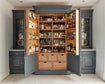
Double door larders open like a wardrobe and often reveal a highly organised internal storage layout. These are particularly useful for larger households or keen cooks who need more storage.
They can provide room for:
- Dry food storage
- Condiments
- Baking ingredients
- Snacks
- Small appliances
- Cooking tools
Slimline Larders
Slimline larders are ideal for smaller kitchens where space is limited. Even a narrow larder can make a major difference if designed well.
They are especially useful for:
- Narrow kitchen layouts
- Flats and smaller homes
- Utility room overflow storage
- Making use of awkward gaps
Appliance Larders
Some larders are designed not just for food, but also for hiding away small kitchen appliances such as kettles, toasters, coffee machines and microwaves.
This is ideal if you want a cleaner kitchen aesthetic while still keeping those items accessible.
How to Choose the Right Larders for Your Home
Choosing the right larders comes down to more than just appearance. The best option should suit your actual kitchen habits and storage needs.
Consider Your Kitchen Size
Start by assessing how much space you realistically have. A large double-door larder may look appealing, but it needs to fit comfortably without making the kitchen feel cramped.
Measure carefully and think about:
- Wall space
- Door opening clearance
- Walkway room
- Nearby appliances
- Existing cabinetry
In smaller kitchens, tall and narrower larders often make the best use of space.
Think About What You Want to Store
Different households use larders in different ways. Before buying, think about what your larder needs to hold.
Do you mainly want storage for:
- Dry food?
- Family snacks?
- Baking ingredients?
- Breakfast essentials?
- Tea and coffee?
- Small appliances?
- Bulk shopping?
Your answer should influence the internal layout you choose.
Prioritise Adjustable Shelving
One of the most useful features in larders is adjustable shelving. Storage needs change over time, and flexible interiors allow you to adapt your setup.
Tall cereal boxes, jars, baskets, tins and appliances all require different shelf heights.
Look for Useful Internal Features
Good larders often include more than just plain shelves. Useful features may include:
- Deep drawers
- Door racks
- Pull-out baskets
- Bottle storage
- Spice shelves
- Internal work surfaces
- Hidden appliance zones
The right internal features can make a huge difference to how practical the unit feels in everyday use.
Match the Style to Your Kitchen
Larders should feel like they belong in the room. Think about colour, finish, handles, proportions and overall style.
For example:
- Painted wood styles often suit country kitchens
- Clean lines work well in contemporary spaces
- Neutral tones help create a timeless look
- Soft textures and warm finishes can add character
Best Places to Put Larders in a Kitchen
Placement matters. Even the best larders will be less useful if they are awkwardly positioned.
Near the Food Prep Area
Ideally, larders should sit close to where you prepare food. This keeps ingredients within easy reach while cooking.
Away from Direct Heat
Avoid placing larders immediately next to ovens, hobs or direct heat sources if possible, especially if you are using them for food storage.
Near Breakfast or Beverage Zones
If your larder will include cereals, tea, coffee, mugs or small appliances, placing it near the breakfast area can make morning routines much easier.
In Utility Rooms or Adjacent Spaces
If your kitchen is compact, a utility room or adjoining storage area can also be a great place for larders.
How to Organise Larders Properly
A larder is only as useful as the way it is organised. A beautifully designed unit can still become chaotic if it is not arranged well.
Group Similar Items Together
Store like with like. For example:
- Pasta, rice and noodles together
- Tins and jars together
- Breakfast foods together
- Baking ingredients together
- Snacks together
- Drinks and hot drink items together
This creates a more intuitive system.
Use Clear Containers Where Helpful
Decanting items such as flour, pasta, cereal and rice into clear containers can make larders look tidier and help you see stock levels quickly.
Keep Everyday Items at Eye Level
The things you use most often should be easiest to reach. Less frequently used items can go higher or lower down.
Use Baskets for Smaller Items
Loose packets, snack bars, seasoning sachets and baking extras can quickly create clutter. Baskets or bins help contain these items neatly.
Rotate Older Food Forward
Try to place older food items at the front so they get used first. This simple habit can help reduce waste.
Common Mistakes to Avoid When Buying Larders
Larders can be brilliant, but there are a few common mistakes worth avoiding.
Choosing Style Over Function
A beautiful larder that does not suit your storage needs can quickly become frustrating. Practical layout should come first.
Ignoring Internal Depth
Very deep shelves can sometimes make it hard to see what is at the back. Consider whether baskets, pull-outs or divided sections would work better.
Underestimating Storage Needs
If you tend to bulk buy or have a larger household, you may need more storage than you first think.
Not Planning the Interior Properly
Think beyond “shelves”. A good internal layout can make the difference between a tidy kitchen and a frustrating one.
Overfilling It
Larders work best when they are organised, not crammed. Leave a little breathing room so you can actually see and access what you have.
Are Larders Good for Small Kitchens?
Yes, absolutely. In fact, larders can be especially useful in smaller kitchens if chosen carefully.
Many people assume larders are only for large country homes or spacious kitchens, but that is not the case. A well-proportioned larder can actually save space by consolidating storage and reducing clutter elsewhere.
For smaller kitchens, the best options are usually:
- Tall narrow larders
- Slim freestanding pantry units
- Fitted full-height cupboards
- Multi-functional larders with hidden appliance storage
The key is choosing one that gives you more organisation without overwhelming the room.
Why Larders Make Sense for Modern Family Life
Today’s kitchens do more than ever. They are cooking spaces, family hubs, homework stations, coffee corners and social areas. That is exactly why larders have become so relevant again.
They support modern family life by making the kitchen easier to manage.
They help with:
- Busy weekday cooking
- School snack organisation
- Grocery storage
- Bulk shopping
- Meal planning
- Hidden appliance storage
- Cleaner worktops
- Faster daily routines
For many households, larders are not just nice to have. They become one of the most useful features in the kitchen.
Are Larders Worth It?
For most homes, yes. Larders are one of those storage upgrades that often pay off in everyday quality of life. They make kitchens easier to use, easier to keep tidy, and often more visually appealing too.
If you cook regularly, buy groceries in bulk, have a family, or simply want a more organised home, larders can be one of the most worthwhile additions you make.
They are especially valuable in UK homes where practical storage matters just as much as appearance.
Final Thoughts on Choosing the Right Larders
Larders are one of the smartest ways to improve both the look and function of your kitchen. They combine timeless practicality with modern design appeal, helping you create a kitchen that feels more organised, more intentional and much easier to live with.
Whether you want a classic freestanding unit, a sleek fitted pantry cupboard, a compact slimline design or a larger family-friendly storage centre, the right larder can completely change how your kitchen works.
The best larders are not just about storage. They are about making everyday life simpler. They help reduce clutter, improve routines, support better organisation and bring a calmer, more polished feel to the heart of the home.
If you are looking to upgrade your kitchen storage in a way that is genuinely useful and visually impressive, larders are one of the strongest choices you can make.
FAQ SECTION
What are larders used for?
Larders are used for storing food, cooking ingredients, kitchen essentials and sometimes small appliances. They help keep kitchens organised and reduce clutter.
Are larders suitable for small kitchens?
Yes, larders can work very well in small kitchens, especially tall or slimline designs that maximise vertical space.
What is the difference between a pantry and larders?
The terms are often used similarly today, but traditionally a larder referred to a cool food storage space. In modern kitchens, larders usually describe dedicated food storage cupboards or units.
Can larders store appliances too?
Yes, many modern larders are designed to store appliances such as kettles, toasters, coffee machines and microwaves, depending on the layout.
Are freestanding larders better than fitted larders?
Neither is automatically better. Freestanding larders are ideal for flexibility and character, while fitted larders create a more seamless built-in kitchen look.
What should I keep in larders?
Larders are ideal for dry food, tins, jars, cereals, snacks, tea, coffee, baking ingredients, condiments and kitchen accessories.
Do larders add value to a kitchen?
While exact value depends on the home and design, larders often increase the perceived quality, practicality and desirability of a kitchen.
How do I organise larders properly?
Group similar items together, keep daily essentials at eye level, use baskets or containers for loose items, and rotate older food to the front.
Are larders still fashionable?
Yes, larders remain extremely popular in both classic and contemporary UK kitchen design because they combine style with practicality.
How big should larders be?
That depends on your kitchen size and storage needs. Even compact larders can be very effective if designed and organised well.