- No products in the cart.



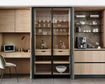
THE QUIET POWER OF LARDERS: A BRITISH HOMEOWNER’S GUIDE TO SMARTER KITCHEN STORAGE

31
Mar
If there is one kitchen feature that can quietly transform how a home feels, functions, and flows, it is the humble larder.
Across the UK, more homeowners are searching for better ways to store food, reduce clutter, free up worktops, and make everyday life easier. That is exactly why larders have become such a sought-after part of modern kitchen design. They offer structure, convenience, and that rare feeling that your kitchen finally works with you rather than against you.
Whether you are redesigning a family kitchen, upgrading a smaller cooking space, or simply trying to create more order at home, larders are one of the smartest storage solutions you can invest in.
In this complete guide, we will explore what larders are, why they are so popular in UK homes, how to choose the right one, and how to make the most of them in real everyday life.
What are larders?
Larders are tall kitchen storage units or dedicated food storage spaces designed to keep your groceries, dry goods, cookware, and kitchen essentials organised and easy to access. Traditionally, larders were cool rooms used for storing food before refrigerators became common. Today, the term is most often used to describe a full-height kitchen cupboard or cabinet built specifically for food and household storage. Modern UK usage often overlaps “larder” and “pantry,” but larders are commonly integrated into kitchen cabinetry and can also refer to freestanding units.
In simple terms, larders help you store more while making your kitchen feel less chaotic.
A good larder is not just about putting things away. It is about creating a better system for your home.
Why larders are so popular in UK homes
British homes often need practical storage more than oversized kitchens. In many UK properties, especially terraces, semis, new builds, and flats, kitchen space has to work hard. That is why larders are such a strong fit for UK households.
They help solve common daily frustrations such as:
- cluttered worktops
- overfilled cupboards
- forgotten food at the back of shelves
- duplicate grocery purchases
- awkward corner storage
- messy breakfast items and snack zones
- lack of space for dry goods and kitchen essentials
Larders make kitchens feel calmer. They give things a home. And when everything has a place, everyday cooking becomes easier, quicker, and less stressful.
That is why searches for kitchen larders, pantry cupboards, tall kitchen storage, and freestanding larder cupboards continue to grow across the UK.
The biggest benefits of larders
1. Larders create more usable kitchen storage
One of the biggest advantages of larders is that they make better use of vertical space.
Instead of relying only on base units and wall cupboards, larders stretch storage upward, often from floor to near ceiling. This instantly increases your storage capacity without necessarily increasing your kitchen footprint.
That is especially useful in:
- compact kitchens
- galley kitchens
- open-plan kitchens
- utility-adjacent kitchen layouts
- family kitchens with high food turnover
If you are constantly struggling to find room for cereal boxes, pasta, tins, oils, snacks, spices, and baking supplies, larders can completely change how your kitchen works.
2. Larders reduce visual clutter
A cluttered kitchen often feels smaller than it really is.
One of the main reasons homeowners love larders is because they allow you to hide away the things that usually end up scattered across worktops. Think tea, coffee, bread, condiments, cereal, lunchbox items, and small appliances.
By moving these items into a dedicated storage zone, your kitchen instantly looks cleaner, calmer, and more expensive.
This is one of the reasons larders work so well in both traditional and modern kitchens. They support a tidy, streamlined appearance without making the room feel sterile or impractical.
3. Larders make food easier to see and access
Bad storage often leads to wasted food.
When dry goods are buried at the back of standard cupboards, you forget what you have. That leads to duplicate purchases, expired products, and unnecessary mess.
Well-designed larders make it easier to:
- group similar items together
- see what you already own
- keep frequently used products within easy reach
- separate food from cookware and household supplies
- rotate stock more efficiently
This is one of the most underrated benefits of larders. They do not just store your groceries. They help you manage them better.
4. Larders improve everyday kitchen routines
The best kitchen storage does not just look good. It makes life easier.
Larders can help simplify daily habits such as:
- making breakfast
- packing school lunches
- preparing evening meals
- baking
- storing meal prep ingredients
- organising weekly food shops
Instead of opening five different cupboards to find what you need, you can keep key items in one logical space.
That is why so many households end up wondering how they ever managed without one.
Different types of larders
Not all larders are the same. The right choice depends on your space, kitchen layout, and how you actually use your home.
Freestanding larders
Freestanding larders are standalone storage units that can be placed in the kitchen, dining area, utility room, or even an adjoining hallway or boot room.
They are ideal for homeowners who want:
- flexible placement
- a furniture-style look
- extra storage without a full kitchen refit
- a more traditional or country-inspired feel
Freestanding larders are especially useful if you want to add storage without changing your existing cabinetry.
Built-in larders
Built-in larders are integrated into your kitchen layout and often match the surrounding units for a seamless appearance.
They are ideal if you want:
- a fitted, polished look
- maximum use of available wall space
- a cleaner, more minimal design
- hidden storage behind matching doors
Built-in larders are a popular choice in contemporary UK kitchens because they combine practicality with a tidy overall aesthetic.
Slim larders
Slim larders are narrower storage units designed for tighter spaces. These are brilliant for:
- smaller kitchens
- narrow gaps
- awkward end runs
- flats and apartments
- compact family homes
Slim larders can still provide excellent storage if organised properly. Even a narrow larder can hold an impressive amount when shelves and compartments are used well.
Double-door larders
Double-door larders offer wider storage and are perfect for larger households or those who like to keep a well-stocked kitchen.
They work well for:
- families
- bulk buyers
- keen cooks
- batch cookers
- households with lots of snacks, cereals, tins, and baking supplies
If you have the space, a double larder can become one of the most useful zones in your entire kitchen.
Larders vs pantries: what is the difference?
This is one of the most common UK kitchen questions.
In modern everyday use, many people use “larders” and “pantries” interchangeably. Traditionally, a larder referred to a cool storage area for food, while a pantry could be a cupboard or separate room used for dry goods and kitchen supplies. Today in UK homes, the terms often overlap, with larders usually describing integrated tall storage and pantries more often used for separate or walk-in food storage spaces.
For most homeowners, the difference matters less than the function.
What matters is choosing a storage solution that suits your kitchen and your habits.
If it stores your food neatly, reduces clutter, and helps your kitchen work better, it is doing the job you need.
How to choose the right larders for your kitchen
When shopping for larders, many people focus only on style first. But the smartest approach is to start with function.
Consider your available space
Measure carefully and think realistically about where the larder will go.
Ask yourself:
- do I have room for a tall unit?
- would a freestanding larder fit better than built-in?
- do I need a slim larder rather than a wider one?
- will the doors open fully without hitting anything?
- can I still move comfortably around the kitchen?
The best larders are the ones that feel natural in your space, not forced into it.
Think about what you actually need to store
Different households use larders in different ways.
Some use them mainly for food. Others use them for:
- small appliances
- baking equipment
- packed lunch supplies
- pet food
- tea and coffee
- tableware
- cleaning products
- household overflow storage
Before buying, think about what your larder needs to hold on a normal week.
That will help you choose the right shelf spacing, depth, and internal layout.
Prioritise practical internal storage
A beautiful exterior is great, but the inside matters just as much.
Look for features such as:
- adjustable shelves
- deep lower storage
- door racks
- internal drawers
- divided sections
- bottle storage
- easy-clean surfaces
The more thoughtfully the interior is designed, the more useful your larder will be long term.
Match your kitchen style
Larders can work in almost any kitchen aesthetic.
They suit:
- shaker kitchens
- modern kitchens
- farmhouse kitchens
- contemporary minimalist spaces
- traditional British interiors
- utility-style family kitchens
The key is choosing a finish, shape, and handle style that complements the rest of your home.
Where should larders go in a kitchen?
Placement matters more than people realise.
A badly placed larder can feel awkward. A well-placed one becomes effortless to use.
Good locations include:
- near the food prep area
- close to the fridge
- beside the oven housing
- at the end of a run of cabinets
- near a breakfast station
- close to the dining area in open-plan homes
Try to position larders where they support how you naturally move around the kitchen.
If you reach for breakfast items every morning, place those near where you make tea or toast. If you cook often, keep oils, dry goods, and cooking essentials within easy reach of your main prep zone.
That is what turns storage into true functionality.
Best ways to organise larders
Even the best larders can become messy if there is no system behind them.
The good news is that a few simple habits can make a huge difference.
Use zones
Divide your larder into categories such as:
- breakfast
- baking
- pasta and rice
- tins and jars
- snacks
- tea and coffee
- sauces and condiments
- household overflow
This makes everything easier to find and easier to maintain.
Keep everyday items at eye level
The things you use most often should be the easiest to reach.
Reserve eye-level shelves for:
- cereals
- pasta
- oils
- tea and coffee
- lunchbox snacks
- cooking staples
Less frequently used items can go higher or lower.
Store heavier items lower down
This is both safer and more practical.
Use lower sections for:
- multipacks
- drinks
- larger tins
- mixing bowls
- heavier appliances
- bulk food storage
This prevents awkward lifting and makes your larder easier to use daily.
Rotate stock regularly
Bring older items to the front and place newer purchases behind them.
This simple habit helps reduce waste and keeps your kitchen running more efficiently.
Avoid overfilling
A larder should make your life easier, not become a hidden junk cupboard.
Leave a little breathing space between categories where possible. It makes everything easier to see and keeps the unit feeling organised rather than crammed.
Are larders good for small kitchens?
Yes, absolutely.
In fact, larders can be one of the best storage solutions for smaller kitchens because they use height rather than spreading clutter across multiple cupboards. Slimline and full-height larder solutions are frequently recommended for compact kitchens, especially where standard cupboard storage is limited.
If your kitchen is short on space, larders can help you:
- store more in one footprint
- reduce worktop clutter
- keep essentials organised
- create a cleaner visual layout
- avoid wasting awkward narrow spaces
A compact kitchen does not mean you have to settle for poor storage. Often, it just means you need smarter storage.
And that is exactly where larders shine.
Are larders still in style?
Very much so.
In fact, larders are one of those rare kitchen features that are both practical and timeless. They are not just a trend. They are a design solution that continues to evolve because they genuinely improve everyday living.
They remain popular because they offer:
- visual order
- flexible food storage
- better kitchen flow
- classic appeal
- modern convenience
In design terms, larders also work beautifully because they can either blend in seamlessly or become a subtle feature in their own right.
Whether your taste leans classic or contemporary, larders are one of the safest long-term kitchen choices you can make.
Common mistakes to avoid when choosing larders
A few small mistakes can make a big difference to how useful your larder feels.
Choosing style over storage
A larder might look beautiful online, but if the shelves are too shallow, too awkward, or poorly spaced, it may frustrate you every day.
Always think function first.
Not measuring properly
Measure width, depth, height, and door clearance carefully.
Never assume a larder will “probably fit”.
Ignoring your real habits
If you buy food in bulk, you need deeper storage. If you have children, snack zones matter. If you bake often, you need space for ingredients and equipment.
The best larders are the ones that reflect how you actually live.
Treating it as a dumping ground
A larder works best when it is intentional. If everything random gets thrown inside, it quickly loses its value.
Treat it as a system, not just an extra cupboard.
Why larders are a smart long-term kitchen investment
Good kitchen storage always pays off in daily quality of life.
Larders help create a kitchen that feels easier to use, easier to tidy, and easier to enjoy. They support everything from busy weekday routines to weekend cooking and family life.
That is why so many homeowners see larders not just as a nice extra, but as a genuinely worthwhile part of a better-functioning home.
When chosen well, larders can help your kitchen feel:
- bigger
- cleaner
- calmer
- more organised
- more premium
- more practical
And that is exactly what most people want from their kitchen.
Final thoughts on larders
The best kitchens are not always the biggest or most expensive. They are the ones that make everyday life easier.
That is why larders continue to be one of the most valuable storage choices for UK homes.
They help create order without sacrificing style. They make better use of space. They reduce clutter. They support smarter food storage. And most importantly, they help your kitchen work better for real life.
Whether you are planning a full kitchen redesign or simply trying to make your current space more functional, larders are one of the clearest upgrades you can make.
If your kitchen feels cluttered, disorganised, or short on practical storage, the answer may not be more cupboards.
It may simply be better ones.
And that is exactly where well-designed larders come in.
FAQ SECTION
What are larders used for?
Larders are used to store food, dry goods, snacks, kitchen essentials, and household items in one organised space. They are especially useful for keeping kitchens tidy and making ingredients easier to find.
Are larders the same as pantries?
Not always, but the terms are often used interchangeably in the UK. In modern kitchens, both usually refer to dedicated food storage solutions, although larders are often tall cupboards and pantries can also refer to separate storage spaces or rooms.
Are larders good for small kitchens?
Yes. Larders are excellent for small kitchens because they use vertical space efficiently and help reduce clutter across standard cupboards and worktops.
What should I store in larders?
You can store cereals, pasta, rice, tins, jars, snacks, baking ingredients, oils, sauces, tea, coffee, small appliances, and other kitchen essentials in larders.
Do larders make a kitchen look better?
Yes. Larders can instantly make a kitchen look cleaner, more organised, and more premium by hiding clutter and improving the overall layout of your storage.
Where should larders go in a kitchen?
Larders usually work best near your food prep area, fridge, or breakfast zone so everyday items are easy to access.
Are freestanding larders worth it?
Freestanding larders are a great option if you want flexible kitchen storage without a full renovation. They are especially useful in period homes, family kitchens, and spaces where fitted units are not practical.
How do I organise larders properly?
The best way to organise larders is by using zones such as breakfast, baking, snacks, tins, and cooking essentials. Keep everyday items at eye level and heavier products lower down.