- No products in the cart.




THE TIMELESS ART OF STORAGE REDEFINED: WHY LARDER CUPBOARDS ARE THE HEART OF THE MODERN KITCHEN

03
Nov
In every era of home design, one concept remains constant — the need for thoughtful, functional storage. Among the many solutions that have come and gone, larder cupboards have stood the test of time as a symbol of order, tradition, and effortless efficiency. Once the hidden gem of grand country kitchens, the modern larder cupboard has evolved into a centrepiece of contemporary living, uniting practicality and beauty in perfect balance.
For UK homeowners, where kitchens often need to be compact yet stylish, the larder cupboard represents the ultimate upgrade — a space-saving, visually cohesive storage solution that brings a sense of calm and control to everyday life. This article explores everything you need to know about larder cupboards: their history, design features, organisation potential, installation options, and the many ways they can transform your home.
The History and Heritage of the Larder Cupboard
The story of the larder cupboard begins long before the advent of modern refrigeration. In the traditional British household, the larder was a cool, ventilated room where food was stored safely away from heat. With thick stone walls and small windows, these rooms maintained low temperatures ideal for preserving perishables such as butter, cheese, and cured meats.
As homes evolved and electric fridges replaced cold storage rooms, the larder gradually shrank into a piece of furniture — a freestanding cupboard designed to recreate the function of the original larder. Today’s larder cupboards honour that heritage but reinterpret it with modern engineering, turning this once utilitarian item into an elegant statement piece for any kitchen.
Why Larder Cupboards Are Making a Major Comeback
Over the past decade, interior design trends have shifted dramatically toward minimalism, natural materials, and hidden storage. In the UK, where open-plan kitchens are increasingly popular, clutter control has become essential. Larder cupboards offer a single, efficient zone to store dry foods, crockery, small appliances, and even cleaning products — all neatly tucked away behind beautiful doors.
Several factors contribute to their growing appeal:
-
Maximised space efficiency: A well-designed larder cupboard can hold more than several regular cabinets combined.
-
Enhanced aesthetics: They create a seamless visual flow, concealing everyday clutter.
-
Sustainability: Consolidating storage encourages less waste and more organised meal planning.
-
Lifestyle flexibility: They suit every type of home — from modern flats to period cottages.
As homeowners increasingly seek balance between style and utility, larder cupboards represent the perfect middle ground.
Understanding the Different Types of Larder Cupboards
Not all larder cupboards are created equal. Depending on your kitchen layout, lifestyle, and storage needs, you can choose between several styles.
Freestanding Larder Cupboards
Freestanding designs are independent units that can be positioned anywhere in the kitchen or dining area. They’re ideal for renters or homeowners who want flexibility without altering built-in cabinetry. Many feature adjustable shelves, spice racks, and pull-out drawers to accommodate a variety of items.
Integrated Larder Cupboards
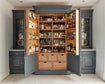
For a more streamlined look, integrated larders blend seamlessly into the kitchen units. These are often floor-to-ceiling installations that form part of the fitted cabinetry, offering a uniform aesthetic. Integrated versions work well in minimalist or modern kitchens where continuity of design is key.
Pull-Out Larder Systems
Pull-out larders make use of vertical storage and are excellent for narrow spaces. Instead of swinging doors, they feature sliding mechanisms that bring the contents forward for easy access. This system is particularly popular in compact kitchens, where every inch of space matters.
Corner Larder Cupboards
In kitchens with awkward layouts, a corner larder can make efficient use of space that would otherwise go unused. These designs often include rotating shelves or carousels to ensure nothing gets lost at the back.
Bespoke Larder Designs
For those seeking a perfect match to their home’s character, bespoke larders can be crafted to exact dimensions, finishes, and functionalities. Whether painted in traditional tones or finished with sleek modern veneers, custom larders allow total creative freedom.
The Key Features That Define a Quality Larder Cupboard
When choosing a larder cupboard, certain design elements elevate it from ordinary to exceptional.
-
Solid construction: Quality cabinetry materials such as hardwood, MDF with moisture resistance, or premium veneers ensure durability.
-
Adjustable shelving: Allows for flexible arrangements and optimal use of vertical space.
-
Soft-close mechanisms: Enhance comfort and longevity by preventing slamming doors.
-
Internal lighting: Illuminated interiors add both luxury and practicality.
-
Integrated organisers: Spice racks, wine holders, and basket systems make organisation intuitive.
-
Ventilation: Discreet vents help maintain airflow, ideal for preserving food items.
-
Ergonomic design: Smooth handles and user-friendly layouts enhance daily usability.
A high-quality larder should feel sturdy, function smoothly, and maintain its finish even after years of use.
How to Plan the Perfect Larder Cupboard for Your Home
Before selecting or installing a larder cupboard, consider the following steps to ensure it integrates seamlessly into your kitchen environment.
Step 1: Assess Your Storage Needs
Take an inventory of what you wish to store. Will it mainly hold food, kitchenware, or small appliances? Understanding your priorities helps determine the ideal size and layout.
Step 2: Measure Your Space
Accurate measurements are crucial. Consider ceiling height, available wall space, and proximity to other features like ovens or fridges. A tall larder might dominate a small room, whereas a compact design could feel lost in a large space.
Step 3: Choose the Right Configuration
Decide between freestanding, integrated, or pull-out designs based on kitchen layout and accessibility preferences.
Step 4: Match the Style to Your Interior
Whether your kitchen leans toward rustic charm or sleek modernism, the finish and hardware of the larder should complement existing décor.
Step 5: Plan Internal Organisation
Map out how items will be stored inside — shelves for dry goods, drawers for utensils, or baskets for vegetables. Pre-planning prevents wasted space and keeps the cupboard functional.
Styling Ideas: Making Your Larder Cupboard a Focal Point
Although primarily functional, larder cupboards can also serve as striking design features. Here are some popular styling approaches:
-
Country kitchen warmth: Painted wood in soft creams or sage greens paired with antique brass handles evokes timeless elegance.
-
Modern minimalism: Matte finishes, hidden handles, and monochrome tones create sleek uniformity.
-
Industrial chic: Exposed hinges, darker hues, and raw textures lend character and depth.
-
Scandi simplicity: Pale woods, clean lines, and subtle accents reflect light and create calm.
-
Luxury elegance: Integrated lighting, glass panels, and symmetrical proportions exude sophistication.
Regardless of style, the secret lies in balance — blending form and function so that the larder enhances rather than overpowers the room.
Organising Your Larder Cupboard Like a Professional
A well-organised larder is not just about aesthetics; it also saves time, reduces waste, and simplifies daily life. Here’s how to maintain order effortlessly.
Categorise Everything
Group items by function: baking supplies, condiments, tinned foods, snacks, or breakfast items. Labelling helps maintain consistency.
Use Clear Containers
Transparent jars and canisters allow quick identification and protect dry goods from moisture. Uniform containers also create a clean, cohesive look.
Employ Adjustable Shelves
Adapt shelf height for different product sizes — tall bottles, cereal boxes, or compact spice jars.
Optimise the Door Space
Use inner door racks for spices, sauces, or smaller items to free up shelf room.
Rotate Stock
Place older items at the front and newer ones behind. This simple system prevents food waste and keeps everything fresh.
Add Lighting
LED strips or motion-sensor lights inside your larder make it easier to find items, particularly in dimly lit kitchens.
Organised storage transforms a simple cupboard into an efficient working hub, elevating your overall cooking experience.
The Advantages of Installing a Larder Cupboard in Modern Homes
Beyond visual appeal, larder cupboards bring measurable benefits to daily living:
-
Increased capacity: Consolidates food, cookware, and appliances into one central location.
-
Cleaner countertops: By relocating items, the kitchen feels more open and spacious.
-
Streamlined cooking: With everything at arm’s reach, meal preparation becomes faster and more enjoyable.
-
Reduced stress: A tidy kitchen contributes to mental clarity and calm.
-
Eco-friendly living: Encourages mindful shopping and reduces overbuying.
-
Enhanced property value: Integrated and well-designed storage often appeals to buyers seeking premium kitchens.
For many households, the addition of a larder is not just an upgrade — it’s a lifestyle improvement.
Materials and Finishes: Choosing the Right Look for Longevity
The appearance and durability of your larder cupboard depend heavily on materials and finishes. Common choices include:
-
Solid wood: Offers warmth and natural character, ideal for traditional settings.
-
Painted MDF: Provides versatility and a smooth, modern finish at a reasonable cost.
-
Laminate: Resistant to stains and moisture, making it practical for busy households.
-
Veneer: Combines aesthetic appeal with structural strength.
Finishes range from matte paints and satin lacquers to high-gloss coatings, each producing distinct visual effects. Selecting the right combination ensures your larder integrates beautifully with your kitchen’s overall design.
Sustainable Considerations When Choosing Larder Cupboards
With sustainability now a leading concern for homeowners, it’s worth considering how larder cupboards can contribute to eco-friendly living.
-
Long lifespan: High-quality materials reduce the need for frequent replacements.
-
Renewable sources: Wood certified from responsibly managed forests supports environmental protection.
-
Low-VOC paints: Minimise indoor air pollutants and create healthier home environments.
-
Energy efficiency: Consolidated storage reduces the need for additional cabinetry or refrigeration space.
Opting for sustainable craftsmanship not only benefits the planet but also enhances the authenticity of your home.
Installation and Positioning Tips
Whether you’re installing a standalone or integrated larder, placement plays a crucial role in functionality.
-
Proximity to the preparation area: Keep the larder near your main cooking zone for easy ingredient access.
-
Avoid direct sunlight: Heat and light can degrade stored goods over time.
-
Mind the clearance: Ensure doors and drawers open freely without obstruction.
-
Electrical access: For larders storing small appliances, plan for discreet power points.
-
Floor level and stability: A perfectly level base prevents warping or door misalignment.
Professional installation ensures your larder remains secure, smooth-running, and built to last.
How Larder Cupboards Improve Kitchen Workflow
The ergonomic advantages of a larder cupboard are often underestimated. By centralising key items, you reduce unnecessary movement around the kitchen. Imagine preparing a meal without constant trips to different cabinets — ingredients, utensils, and condiments all within reach.
This layout fosters an intuitive workflow that supports multitasking and minimises clutter during cooking sessions. For families, it also encourages shared use, allowing multiple people to access essentials without congestion.
Larder Cupboards Beyond the Kitchen
While most people associate larders with kitchens, their versatility extends far beyond.
-
Utility rooms: Perfect for storing cleaning products, linens, and bulk household items.
-
Dining areas: A stylish drinks or crockery station concealed behind elegant doors.
-
Home offices: Adaptable storage for stationery, printers, and supplies.
-
Bedrooms: Converted into wardrobes or accessory storage for smaller spaces.
The modular nature of modern larder designs makes them suitable for almost any room where organisation meets aesthetics.
The Future of Larder Cupboards in Interior Design
The resurgence of larder cupboards signals a broader movement toward conscious design — spaces that are not only beautiful but also intelligent. Future innovations are likely to include:
-
Smart lighting systems that respond to motion or touch.
-
Integrated charging points for kitchen devices.
-
Sustainable composites replacing traditional materials.
-
Customisable modular interiors that adapt to evolving lifestyles.
As homes become increasingly multifunctional, the larder cupboard remains a timeless anchor of order and simplicity, evolving alongside modern technology while retaining its traditional soul.
Common Mistakes to Avoid When Choosing a Larder Cupboard
-
Ignoring measurements: Always verify dimensions to prevent fitment issues.
-
Overlooking ventilation: Poor airflow can affect food quality and cabinet durability.
-
Neglecting lighting: Dark interiors make it difficult to locate items efficiently.
-
Choosing form over function: Aesthetics should never compromise practicality.
-
Forgetting future needs: Consider potential family expansion or lifestyle changes.
Learning from these mistakes ensures your investment remains both functional and visually rewarding for years to come.
Maintenance and Care Tips
To preserve your larder cupboard’s beauty and performance:
-
Wipe spills immediately with a damp cloth.
-
Avoid harsh abrasives or ammonia-based cleaners.
-
Polish wood finishes periodically to maintain lustre.
-
Check hinges and drawer runners annually for smooth operation.
-
Keep ventilation unobstructed to prevent moisture buildup.
With regular care, a larder cupboard can maintain its original charm for decades.
The Emotional Impact of a Well-Designed Larder
Beyond functionality, there’s an emotional satisfaction that comes from opening a perfectly organised larder cupboard. It embodies order amidst chaos — a small sanctuary of calm in the busiest room of the house.
For many homeowners, it becomes a ritual space: where morning routines begin, ingredients inspire creativity, and family life feels just a little more balanced. In essence, a larder cupboard is not simply furniture; it’s a philosophy of living well.
Expert Design Tips for Custom Larder Layouts
Designers recommend approaching your larder as a micro-kitchen within the kitchen. Consider zoning your cupboard into tiers of activity:
-
Top shelves: For infrequently used items such as special cookware or seasonal ingredients.
-
Eye-level shelves: Everyday essentials like cereals, snacks, and tins.
-
Mid-level drawers: Utensils, napkins, or small appliances.
-
Lower compartments: Heavier items or bulk storage.
Integrating thoughtful zoning encourages intuitive organisation and supports efficient use.
Budgeting and Value Considerations
Larder cupboards are available across a broad price range, depending on size, material, and craftsmanship. Freestanding flat-pack options may offer affordability, while bespoke joinery commands higher investment.
However, it’s worth viewing a larder as a long-term asset rather than a short-term purchase. Its durability, convenience, and ability to add value to the home often outweigh initial costs. Choosing the right balance between quality and budget ensures lasting satisfaction.
Seasonal Use and Adaptability
Another advantage of larder cupboards lies in their adaptability through the seasons. During winter, they store hearty ingredients like pulses and preserves. In summer, they hold picnic supplies, glassware, and lighter snacks.
This rotational storage approach keeps your kitchen relevant all year round, reducing clutter and simplifying transitions between seasonal activities.
Combining Aesthetics with Accessibility
In inclusive home design, accessibility is key. Adjustable shelves, pull-down racks, and soft-close systems make larder cupboards suitable for all ages and abilities. For family homes, these features add safety and convenience, ensuring that everyone can reach what they need without strain.
A well-designed larder supports not only efficient cooking but also inclusive living — a subtle yet meaningful detail of modern design philosophy.
How to Choose the Perfect Colour for Your Larder Cupboard
Colour plays a major role in defining the ambience of your kitchen. Light tones like off-white or pale grey reflect brightness and make small kitchens feel larger. Deep blues, greens, or charcoals add depth and luxury, while natural wood finishes bring warmth and authenticity.
When selecting colours, consider lighting conditions, wall tones, and the mood you want to create. The larder should harmonise with its surroundings while maintaining a distinctive presence.
Final Thoughts: Why Every Home Deserves a Larder Cupboard
The enduring popularity of larder cupboards stems from their ability to solve practical problems while elevating interior design. They embody British craftsmanship, thoughtful engineering, and the art of living efficiently.
From compact urban apartments to sprawling countryside homes, the larder cupboard adapts gracefully to any setting, uniting functionality with timeless appeal. It simplifies routines, encourages mindful consumption, and adds a layer of quiet sophistication that few other furnishings can match.
As we continue to seek calm, organised spaces that nurture both body and mind, the humble larder cupboard remains a shining example of how intelligent design can transform daily life. It’s more than storage — it’s the heartbeat of the modern kitchen, blending history, practicality, and elegance into one indispensable feature.